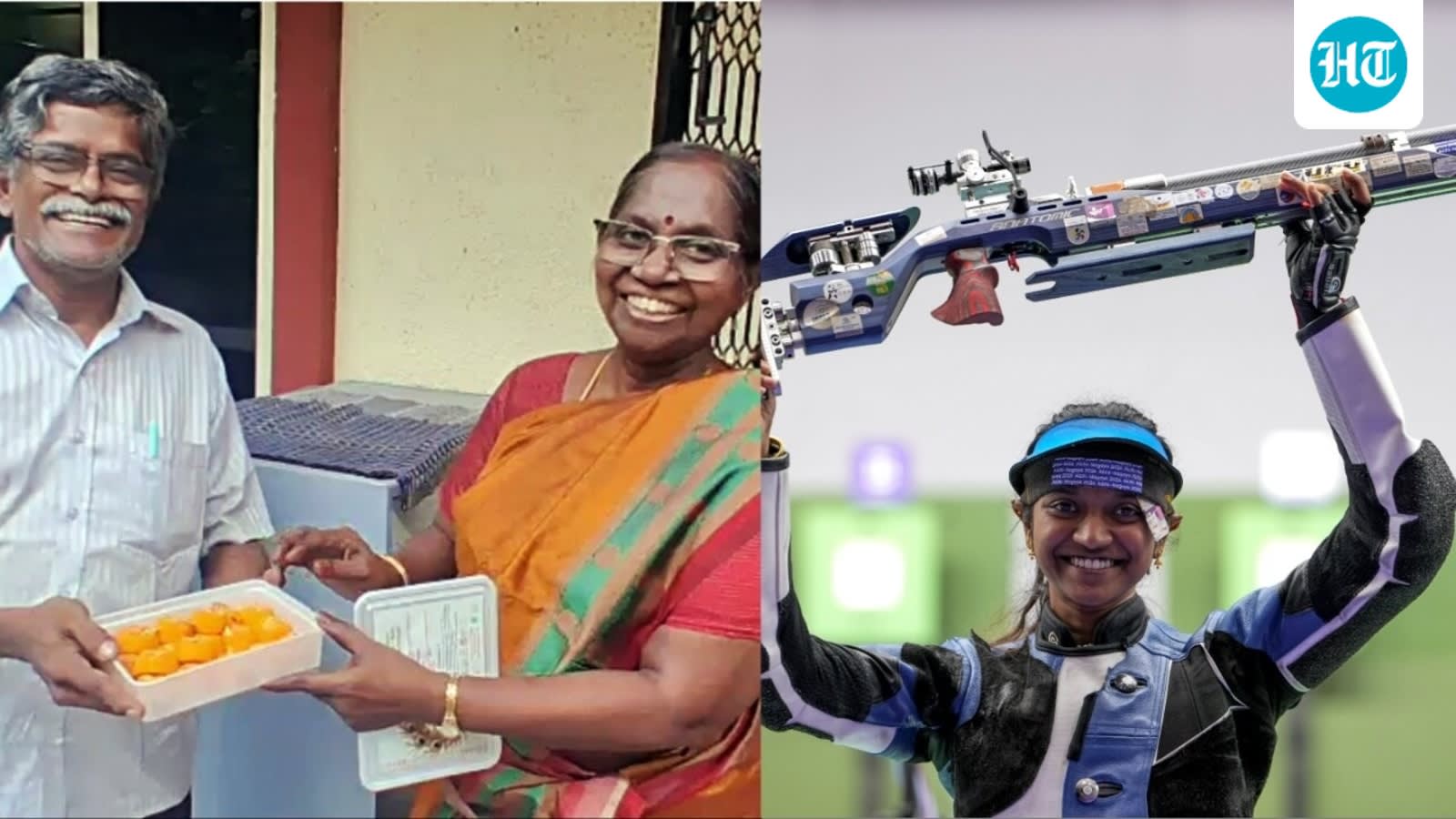
‘She aims to win an Olympic medal’: Elavenil Valarivan's parents reveal ultimate dream after Asian Games twin silver
Source Entity
Latest News: Todays Latest News Headlines from India & World | Hindustan Times | Hindustan Times
Indian shot putter Tajinderpal Singh Toor was replaced by kabaddi star Pawan Sehrawat as flag-bearer for the Asian Games opening ceremony due to a kit delivery delay. Sehrawat will now lead the Indian contingent alongside shooter Manu Bhaker in Aichi-Nagoya.
Logistical Hurdles at the Aichi-Nagoya Asian Games
The 20th Asian Games in Aichi-Nagoya have commenced amidst a backdrop of organizational turbulence. While the opening ceremony is a moment of immense national pride, the Indian contingent faced an unexpected disruption when shot putter Tajinderpal Singh Toor was forced to withdraw as a flag-bearer. The reason for this sudden change—a failure to receive his official kit in time—highlights the broader logistical challenges currently plaguing the event organizers.
The Last-Minute Substitution
Chef-de-mission Sahdev Yadav officially confirmed that Pawan Sehrawat, the celebrated kabaddi star, would step in to replace Toor. Sehrawat, who was instrumental in securing a gold medal for the Indian men’s kabaddi team during the previous iteration of the Asian Games, brings a wealth of competitive experience to the role. He now joins shooter Manu Bhaker to lead the Indian athletes during the parade, ensuring that the country maintains a strong and visible presence despite the administrative setback.
Impact on Athlete Participation
For an athlete, serving as a flag-bearer is a career-defining honor. Tajinderpal Singh Toor’s inability to attend the gala ceremony due to missing equipment is a significant disappointment that underscores the importance of supply chain management in major multi-sport events. The situation serves as a stark reminder of how even minor logistical oversights can diminish the experience of high-performing athletes who spend years preparing for these moments.
Contextualizing the Aichi-Nagoya Games
The organizers of the Aichi-Nagoya Games have already faced scrutiny due to a series of operational gaffes reported in the lead-up to the event. The incident involving the Indian contingent is arguably a symptom of these wider systemic difficulties. As the Games continue, the ability of the organizing committee to rectify these issues will be critical in determining the overall success and reputation of the 20th Asian Games.
The Significance of Leadership Roles
Manu Bhaker’s selection as a flag-bearer marks another milestone in her distinguished career. Having previously held this role at the Commonwealth Games, her presence signifies consistency and excellence. Her public reflections on her coach, Jaspal Rana, and his strict attendance policy, add a human element to the pomp of the ceremony, reminding spectators that behind every flag-bearer lies years of rigorous discipline and mentorship.
Future Implications and Trends
This incident highlights a growing trend where the complexity of hosting global sporting events often outpaces the logistical capabilities of host cities. Future Games will likely require more robust, digitized inventory management systems to ensure that athlete equipment arrives punctually. For India, the seamless transition to Pawan Sehrawat demonstrates the depth of leadership within the contingent, proving that the nation’s sports infrastructure remains resilient even when faced with unforeseen disruptions.
Multiple Citing Sources
Verification Required?