Tamil Nadu: Relatives stage overnight protest as man dies in judicial custody
Source Entity
Latest News: Today's Latest News Headlines from India & World | Hindustan Times | Hindustan Times
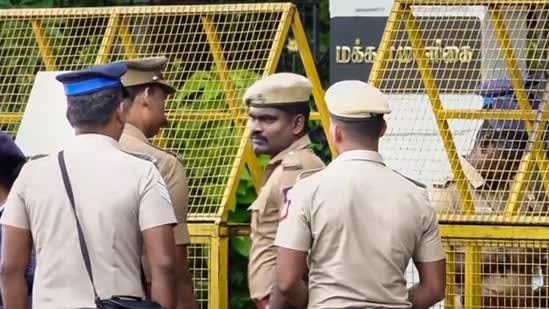
Relatives of S Sabari Varman, an undertrial prisoner who died while in judicial custody at a sub-jail in Tamil Nadu, have launched an overnight protest demanding an independent investigation and a second autopsy to ensure transparency.
Tragedy in Custody: Analysis of the Death of S Sabari Varman
The sudden death of S Sabari Varman, an undertrial prisoner held in a sub-jail in Tamil Nadu, has ignited a wave of grief and indignation, culminating in an overnight protest by his relatives. The core of the unrest lies in the family's deep distrust of the initial circumstances surrounding the death, leading to urgent demands for a second autopsy and an independent probe. This incident highlights the volatile intersection of judicial administration and human rights, where the death of a person in state custody immediately raises questions about negligence, medical failure, or potential foul play.
The Significance of Custodial Death and Judicial Oversight
Death in judicial custody is a matter of grave legal and social concern in India. Unlike police custody, judicial custody implies that the individual is under the supervision of the court and housed in a jail facility. When a death occurs in this environment, the state is held to a high standard of accountability because the prisoner is entirely dependent on the state for health, safety, and basic sustenance. The demand for an independent probe by Varman's family reflects a broader systemic skepticism toward internal departmental inquiries, which are often perceived as attempts to shield officials from accountability.
The Demand for a Second Autopsy: A Quest for Transparency
One of the most critical demands raised during the protest is the requirement for a second autopsy. In forensic medicine, a second autopsy is often requested when the family believes the first medical examination was superficial or biased. By demanding a second opinion, likely from a board of independent doctors or a government medical college outside the immediate jurisdiction of the sub-jail, the family is seeking to eliminate any possibility of a cover-up. This step is essential for establishing the exact cause of death—whether it was due to a pre-existing medical condition, sudden cardiac arrest, or external trauma—which will ultimately determine if criminal negligence charges are applicable.
The Vulnerability of Undertrial Prisoners
S Sabari Varman was an 'undertrial,' meaning he had been arrested and was awaiting trial but had not yet been convicted of a crime. Undertrials make up a significant portion of the Indian prison population and are often the most vulnerable to systemic failures. Overcrowded sub-jails frequently struggle with inadequate medical facilities and slow response times during health emergencies. This case brings to the forefront the critical need for better healthcare infrastructure within smaller jail units to ensure that those who are legally presumed innocent until proven guilty do not lose their lives due to administrative apathy.
Human Rights Framework and Legal Implications
From a legal standpoint, custodial deaths are monitored closely by the National Human Rights Commission (NHRC) of India. Guidelines mandate that every death in custody must be reported immediately and investigated by a magistrate. The overnight protest by Varman's relatives serves as a public pressure mechanism to ensure these protocols are strictly followed. If the independent probe reveals negligence, it could lead to significant legal ramifications for the jail administration and the medical staff on duty, potentially resulting in lawsuits for the violation of the Right to Life guaranteed under Article 21 of the Indian Constitution.
Broader Social Implications and Future Trends
This event is symptomatic of a larger trend where local communities are becoming increasingly vocal about custodial transparency. The use of overnight protests indicates a shift toward immediate, grassroots mobilization to prevent the 'cooling off' of a case before evidence can be tampered with. In the future, we can expect increased demands for the mandatory installation of high-definition CCTV cameras in all corners of sub-jails and the implementation of digital health records for prisoners to track their medical history and treatment in real-time.
Conclusion
The death of S Sabari Varman is not merely a local tragedy but a call for systemic introspection regarding the treatment of undertrials in Tamil Nadu's judicial system. The resolve of the family to seek a second autopsy and an independent probe underscores the necessity of transparency in state-run institutions. Only through a fair, transparent, and impartial investigation can the state restore public trust and ensure that the rights of those in custody are upheld with dignity.
Verification Required?