After backlash, Vijay government withdraws Law and Order department’s RTI exemption
Source Entity
Arun Janardhanan
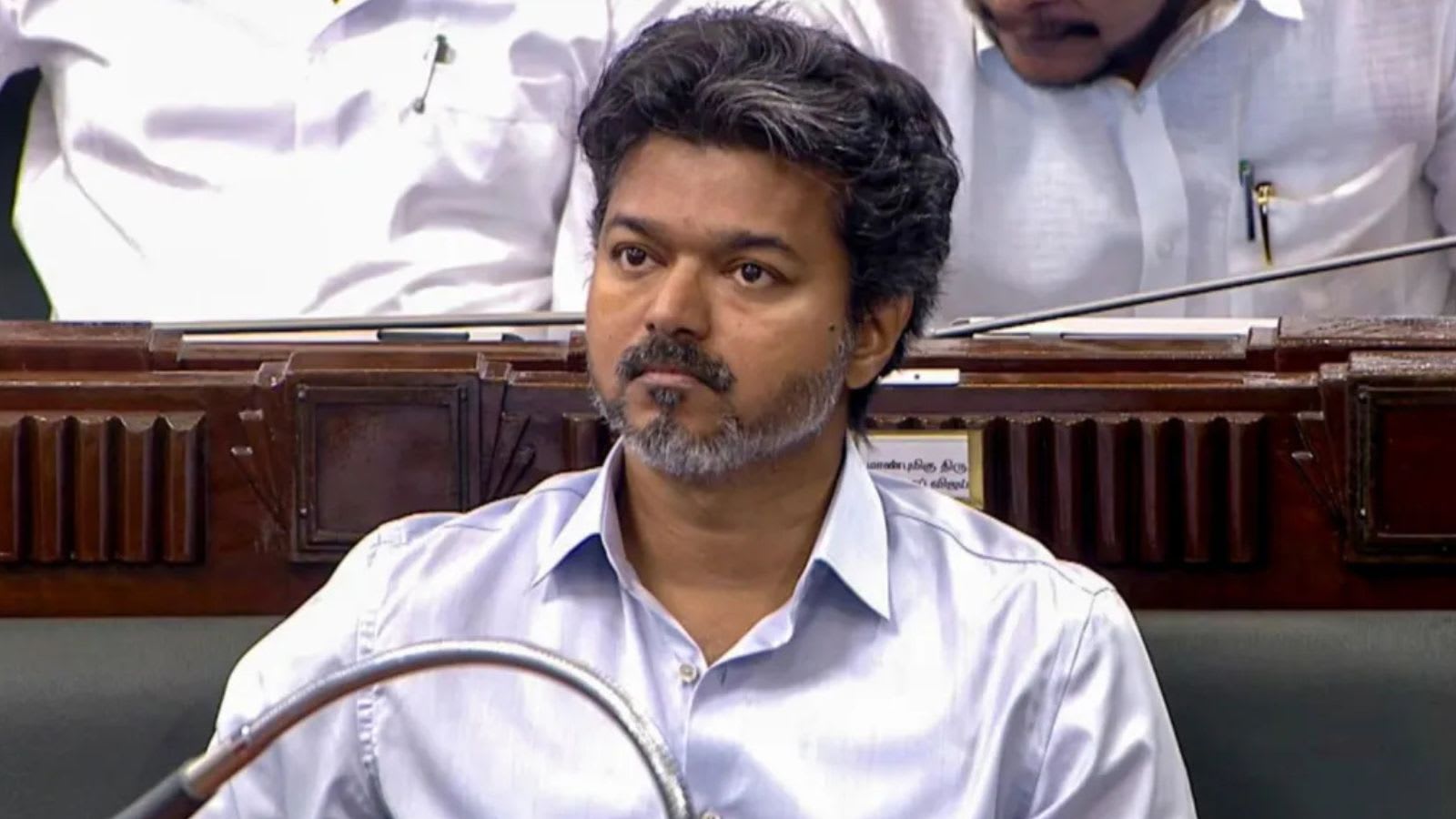
The Tamil Nadu government, led by C. Joseph Vijay, quickly revoked an order exempting the Public (Law and Order) Department from the RTI Act following intense public and political backlash. The initial move had sought to shield sensitive law and order data from transparency requirements.
The Transparency Tug-of-War: Tamil Nadu's RTI Reversal
The Initial Policy Shift
In a move that caught political observers and transparency advocates off guard, the Tamil Nadu government under C. Joseph Vijay recently issued a Government Order (GO) attempting to exempt the Public (Law and Order) Department from the requirements of the Right to Information (RTI) Act, 2005. By invoking Section 24(4) of the Act, the administration sought to classify this department as an 'Intelligence and Security Organisation.' This designation would have effectively barred public access to critical information regarding communal and caste clashes, police custody deaths, and findings from Commissions of Inquiry.
Scope of the Withdrawn Exemption
Had the order remained in place, the impact on public discourse would have been profound. The Public (Law and Order) Department is tasked with sensitive matters including detentions under the National Security Act (NSA) and the Conservation of Foreign Exchange and Prevention of Smuggling Activities Act (COFEPOSA). Furthermore, the exemption would have curtailed public oversight into reports concerning police firing incidents, allegations of police torture, and student or farmer agitations. These areas are central to the state's accountability framework, and shielding them from scrutiny under the guise of security would have represented a significant erosion of the public's right to know.
The Role of Public and Political Backlash
The swift reversal of the order highlights the volatile nature of governance in the digital age, where administrative decisions are subjected to immediate public vetting. The backlash was not limited to opposition parties; it included criticism from the government’s own political allies and various transparency activists. The speed with which the government revoked the order—merely hours after the public became aware of the notification—underscores the sensitivity of the administration regarding its image, particularly given the government's stated commitment to anti-corruption and transparent governance.
Implications for Democratic Accountability
Transparency in law enforcement and public security is a cornerstone of a functioning democracy. The attempt to bypass the RTI Act via Section 24(4) is a mechanism often reserved for organizations that deal with genuine state secrets or intelligence gathering. By attempting to apply this to the Public (Law and Order) department, the government risked blurring the lines between legitimate security concerns and the desire to limit oversight of administrative failures. The subsequent withdrawal of the order suggests that the government recognizes that such transparency is a prerequisite for maintaining public trust.
Future Trends in Governance
This incident serves as a bellwether for the challenges facing the Vijay-led administration as it balances administrative control with its platform of accountability. It demonstrates that any attempt to restrict access to information in sensitive domains will likely meet with robust resistance from civil society and political stakeholders. Moving forward, the government will likely face continued pressure to provide greater, rather than lesser, transparency regarding human rights and law enforcement actions, as the public remains vigilant against any perceived backsliding on democratic norms.