Vijay moves Tamil anthem resolution with DMK, AIADMK backing
Source Entity
TOI NEWS DESK
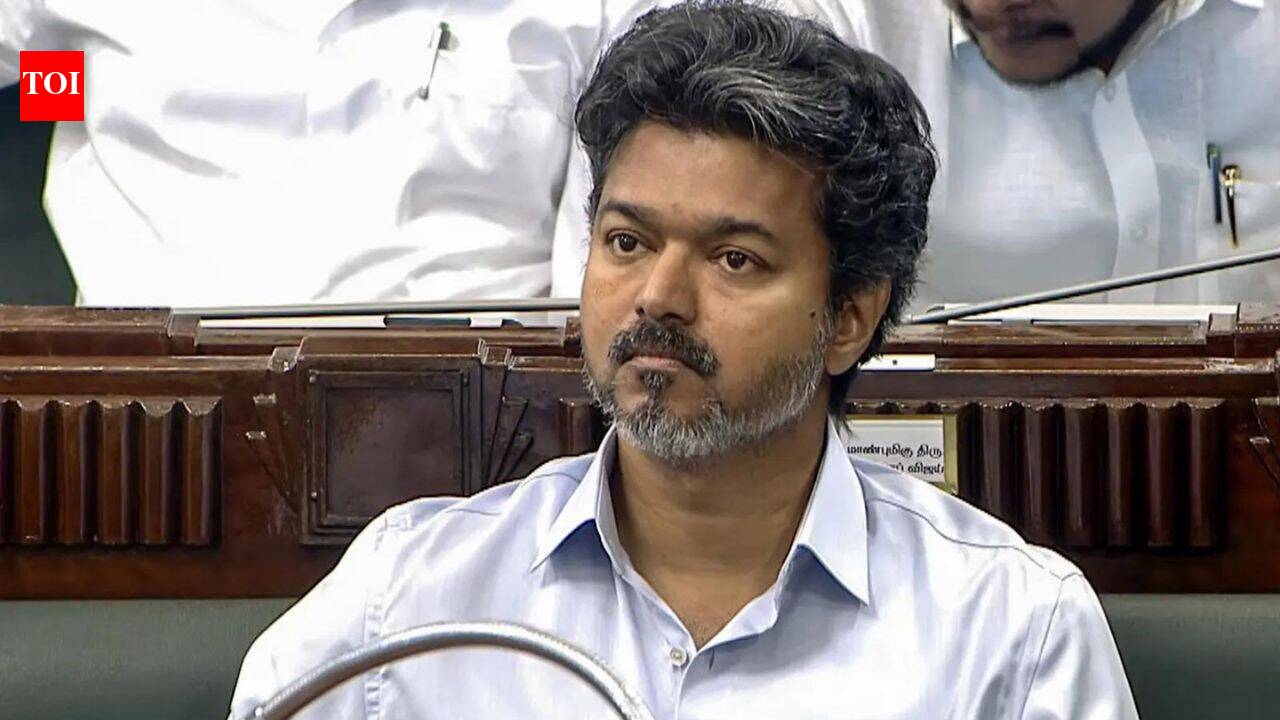
Tamil Nadu Chief Minister C. Joseph Vijay has successfully moved a resolution making the state anthem, 'Tamil Thai Vazhthu,' mandatory at all official events. The move, supported by both DMK and AIADMK, asserts linguistic rights following recent directives from the Union Home Ministry regarding state functions.
The Assertion of Linguistic Identity in Tamil Nadu
In a significant political development, Tamil Nadu Chief Minister C. Joseph Vijay has moved a government resolution in the state assembly to make the rendition of 'Tamil Thai Vazhthu' mandatory at the beginning of all official programs. This mandate applies to educational institutions, universities, government offices, and public sector undertakings across the state. The move represents a firm stance by the newly formed Tamilaga Vettri Kazhagam government to prioritize the cultural and linguistic heritage of the region.
Historical and Cultural Significance
'Tamil Thai Vazhthu' is an invocation to Mother Tamil, derived from the 1891 play Manonmaniam by the scholar Manonmaniam Sundaranar. For over a century, the anthem has served as a symbol of Tamil identity. By mandating its performance, the state government is reinforcing the historical weight of the language, which is recognized as one of the oldest living classical languages in the world. The resolution frames the anthem not merely as a song, but as an expression of the life and emotions of the Tamil people.
The Catalyst: Federal Tensions
This legislative action arrives amidst friction with the central government. Specifically, the resolution appears as a response to a letter from the Union Home Ministry dated July 9, 2026, which had provided observations on the rendering of the state song and issued a directive to include 'Vande Mataram' at the beginning of state functions. By codifying the mandatory status of 'Tamil Thai Vazhthu,' the state government is asserting its constitutional rights to preserve its unique cultural identity.
Political Consensus and Unity
Notably, the resolution saw broad support across the political spectrum, with both the DMK and AIADMK backing the motion. This rare display of unity underscores the sensitivity of language politics in Tamil Nadu. By moving the resolution, Chief Minister Vijay has successfully navigated a consensus that emphasizes that the protection of linguistic rights is a non-negotiable aspect of state governance, effectively bridging gaps between opposition parties on a matter of regional pride.
Future Implications for State-Center Relations
Looking ahead, this development signals a potential shift in how Tamil Nadu interacts with federal directives. The explicit mention of linguistic and cultural rights guaranteed by the Constitution of India suggests that the state government is prepared to utilize legal and constitutional frameworks to maintain its autonomy. This sets a precedent for future policy decisions where the state may prioritize its regional traditions in the face of conflicting central mandates, likely leading to a more assertive role for the state government in determining its own ceremonial protocols.
Conclusion
The adoption of the resolution for 'Tamil Thai Vazhthu' is a landmark moment for the current administration in Tamil Nadu. It serves as a declaration of the state's intent to protect its cultural heritage while navigating the complexities of federalism. As the state moves forward, this resolution will likely remain a focal point of its identity politics, reinforcing the status of Tamil as a central pillar of its social and political fabric.