Rejuvenation of irrigation channels, ponds to begin in Tamil Nadu under VB-G RAM G scheme
Source Entity
India Latest News: Top National Headlines Today & Breaking News | The Hindu
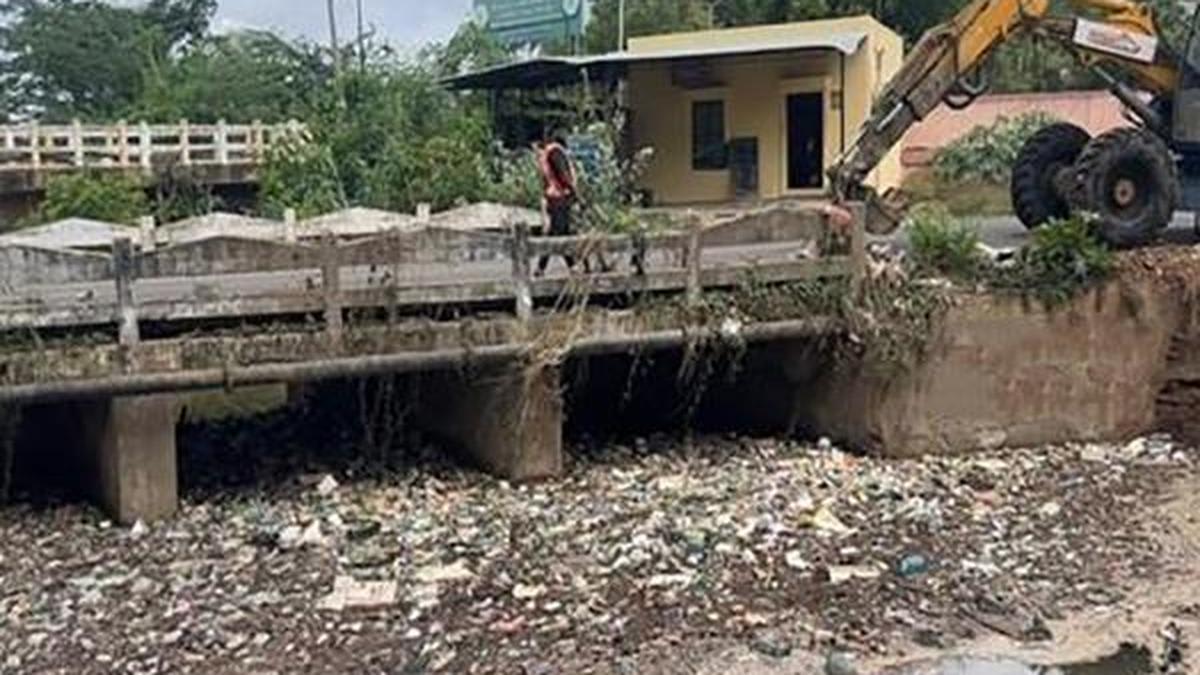
Tamil Nadu is launching a massive initiative to rejuvenate over 11,000 irrigation channels and ponds to prepare for the northeast monsoon. Funded by the VB-G RAM G scheme, the project aims to enhance water storage, boost groundwater levels, and mitigate flood risks across 37 districts.
Tamil Nadu Launches Large-Scale Water Infrastructure Project
Starting Monday, August 17, 2026, the Rural Development and Panchayat Raj Department of Tamil Nadu will initiate a comprehensive rejuvenation project targeting 10,185 irrigation channels and 809 ponds across the state. This ambitious undertaking, operating under the Viksit Bharat – Gramin Rozgar and Ajeevika Mission (VB-G RAM G) scheme, represents a significant investment of ₹507.92 crore aimed at bolstering the state's rural water resilience.
Strategic Preparation for the Northeast Monsoon
The timing of this project is critical, as it is designed to be completed ahead of the northeast monsoon. By focusing on the desilting of these vital water bodies, the state government aims to ensure that existing infrastructure can store rainwater to its maximum capacity. This proactive measure is essential for preventing the rapid runoff that often leads to wastage during peak monsoon months.
Impact on Agriculture and Groundwater
Beyond immediate storage, the primary objective is to facilitate a sustainable increase in the groundwater table. By restoring the natural capacity of ponds and the flow efficiency of irrigation channels, the mission will directly improve irrigation facilities for the agricultural sector. For farmers across the 37 involved districts, this means more reliable water access, potentially leading to better crop yields and increased food security for the region.
Flood Mitigation and Disaster Resilience
A secondary but equally vital benefit of this project is flood control. Tamil Nadu’s geography often makes it susceptible to heavy rainfall during the northeast monsoon, which can lead to inundation in rural areas. By clearing blockages and expanding the capacity of irrigation channels, the state is creating a system that can effectively manage excess water, thereby protecting rural communities and agricultural land from devastating flood damage.
Scaling the Initiative Across the State
The scale of the deployment is vast, reaching 37 districts throughout Tamil Nadu, with the notable exception of Chennai. This deliberate geographic focus ensures that the benefits are concentrated in rural areas where the dependence on small-scale irrigation and groundwater is highest. By leveraging the VB-G RAM G scheme, the government is aligning local rural development with broader national welfare goals.
Future Outlook and Sustainability
This project sets a precedent for how decentralized water management can be effectively utilized to combat the dual challenges of water scarcity and flood risk. If successfully executed, the rejuvenation of these 11,000+ points of infrastructure will serve as a model for future climate adaptation strategies. The ongoing monitoring of these sites will be crucial to ensure that the desilting efforts yield long-term benefits for the state's hydrological health and rural economy.
Verification Required?