With slogans and tears, Ujjain schoolgirls protest plan to shift government schools far away
Source Entity
India Latest News: Top National Headlines Today & Breaking News | The Hindu
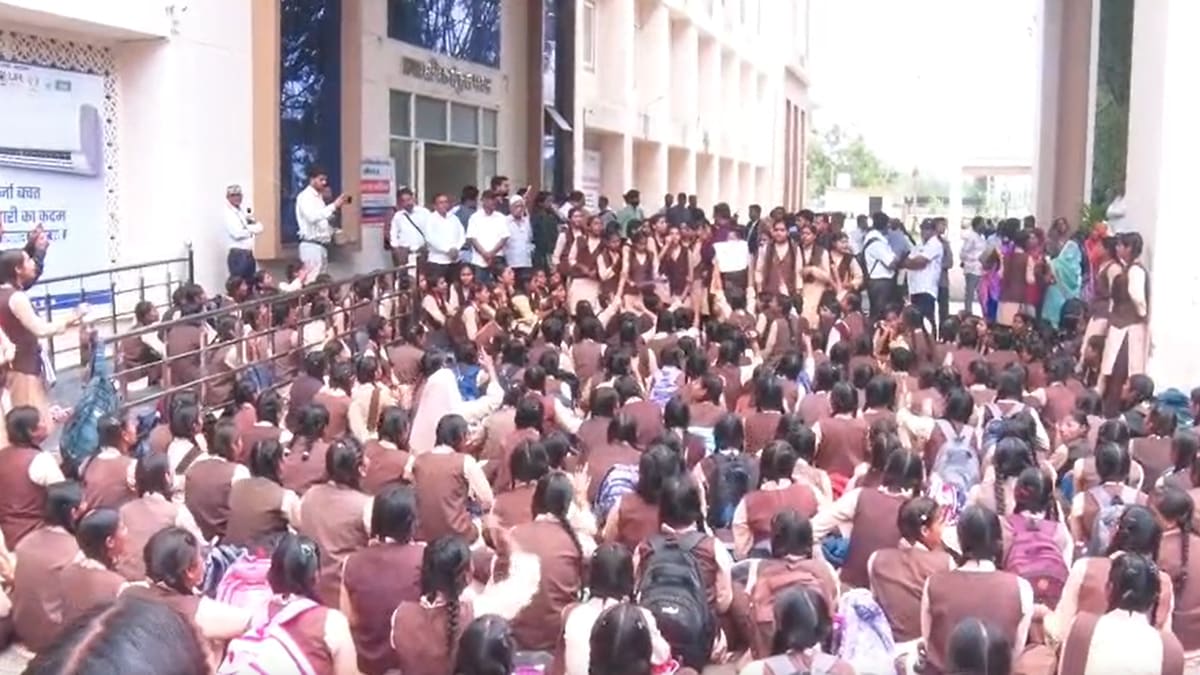
Hundreds of schoolgirls in Ujjain protested against a government plan to merge six schools into a distant facility in Daudkhedi. Students and parents cite severe safety and commute concerns due to the 6-10 kilometer distance.
Ujjain Schoolgirls Lead Protest Against Distant School Merger
On August 14, 2026, the city of Ujjain, Madhya Pradesh, witnessed a poignant display of civic engagement as hundreds of schoolgirls staged a protest at the Collector’s office. The demonstration, characterized by slogans and emotional appeals, was a direct response to a controversial government proposal to merge six existing schools into a singular facility, the Sandipani Vidyalaya, located in Daudkhedi. This decision has sparked significant unrest among students, parents, and local activists who view the move as a major disruption to the educational accessibility of over 2,500 children.
The Geographic and Logistical Challenge
The primary contention stems from the distance of the proposed relocation. Daudkhedi is situated six to ten kilometers away from the current school sites and falls outside the established city limits of Ujjain. For young students, particularly those commuting from rural pockets, this shift represents a substantial increase in travel time and complexity. The logistical burden of navigating this distance daily poses a significant barrier to education, threatening to increase dropout rates among vulnerable student populations who rely on the proximity of their current institutions.
Safety Concerns and Vulnerability
The emotional intensity of the protest, with students in uniform breaking into tears, underscores the deep-seated anxiety regarding personal safety. Many of the girls participating in the sit-in expressed fears about the long commute through unfamiliar or isolated stretches between their neighborhoods and the new site in Daudkhedi. In the context of student welfare, the government's plan to relocate these schools is being viewed by the community as a failure to account for the physical security of its students, turning a routine administrative consolidation into a pressing social issue.
The Broader Implications of School Mergers
While administrative consolidation of schools is often touted by governments as a method to improve infrastructure and resource allocation, the Ujjain case highlights the tension between bureaucratic efficiency and community needs. By centralizing operations at Sandipani Vidyalaya, the state risks alienating the very demographic it aims to serve. If the protest continues to grow, it may force a re-evaluation of how education policy is implemented, necessitating a more localized approach that prioritizes student proximity over facility centralization.
Historical Context and Future Trends
Educational policy in India has frequently seen the tension between the 'model school' concept and the preservation of neighborhood access. Historically, when schools are moved to the periphery of urban centers, the impact is disproportionately felt by female students and those from lower-income backgrounds. The trend of merging smaller government schools into larger, consolidated campuses is common, but it rarely succeeds without robust transportation support. As this situation unfolds in Ujjain, the outcome will likely serve as a case study for the state government, potentially influencing how future school infrastructure projects are managed to avoid public backlash and ensure continued enrollment.
Conclusion
The protests in Ujjain are a clear signal that the community is deeply invested in the accessibility and safety of their educational institutions. As students and activists continue to press the authorities, the government faces a critical juncture: either move forward with the relocation at the risk of further social friction or pivot to a more inclusive planning model that keeps schools integrated within the heart of the communities they serve.
Verification Required?