Tata Sons row: Former Supreme Court judges back N Chandrasekaran’s reappointment as chairman
Source Entity
George Mathew
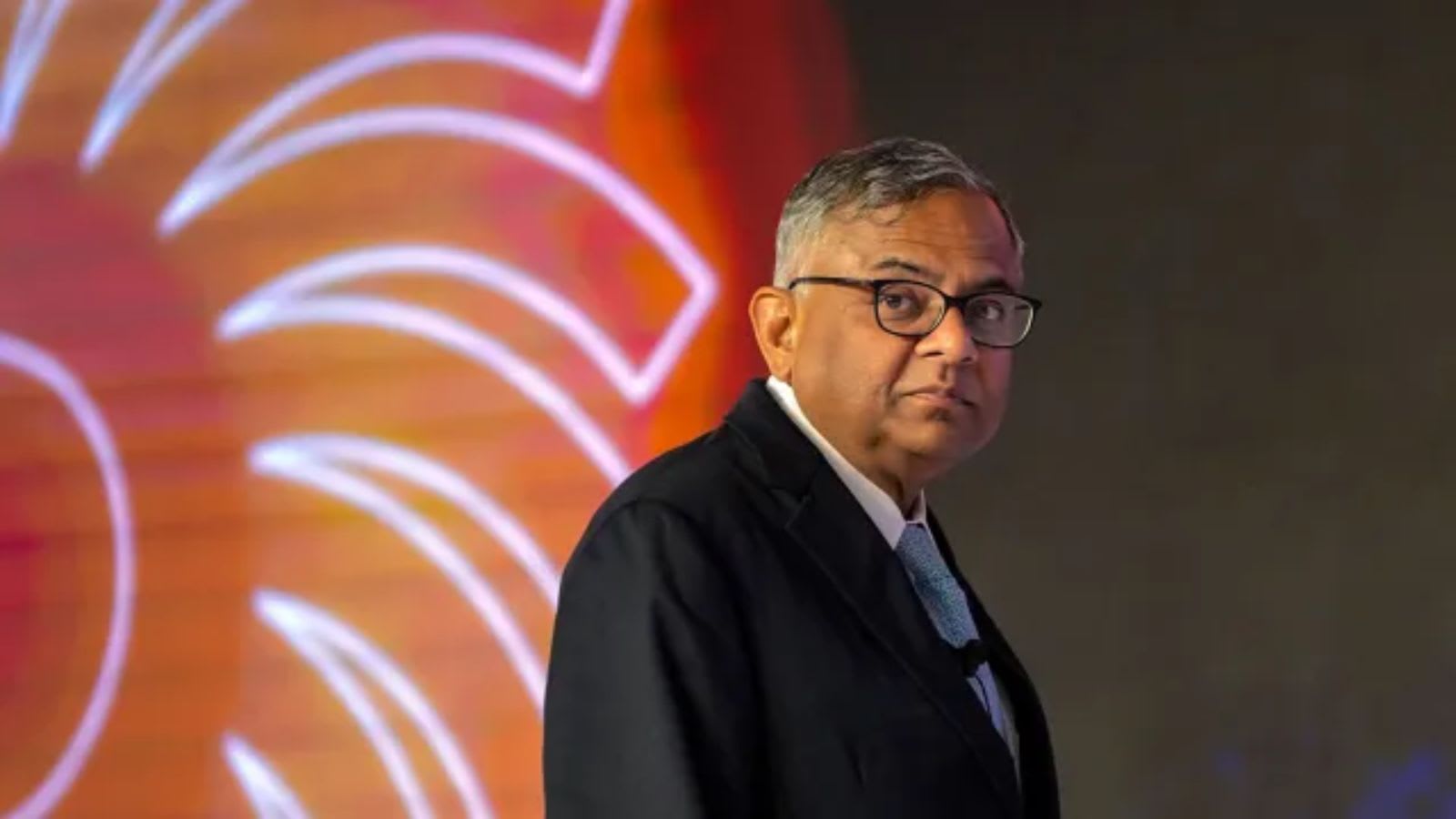
Tata Sons has secured legal backing from former Supreme Court judges, including former CJI UU Lalit, to validate N Chandrasekaran’s reappointment. The move addresses internal opposition from Noel Tata regarding the board's voting procedures.
Legal Validation in the Tata Sons Leadership Dispute
The Core Conflict
Recent developments at the helm of Tata Sons have brought the internal governance of the conglomerate into the spotlight. The reappointment of N Chandrasekaran as chairman faced scrutiny following a board meeting on September 17. During this session, the proposal for reappointment was met with resistance from Tata Trusts Chairman Noel Tata. The primary point of contention was not merely the appointment itself, but the procedural mechanics of the board meeting, specifically the validity of the decision-making process and the exercise of a casting vote by the chairman.
Judicial Opinions as Strategic Defense
In a move to fortify its governance position, Tata Sons sought and received formal legal opinions from two distinguished former Supreme Court judges: Justice B N Srikrishna and former Chief Justice of India Uday U Lalit. These legal experts have explicitly backed the company’s stance, with former CJI Lalit affirming that the resolution was "validly passed." By leveraging the expertise of retired jurists, Tata Sons is effectively neutralizing the procedural objections raised by Noel Tata, asserting that the company's internal protocols align with legal standards.
The Significance of the Casting Vote
At the center of the debate is the chairman's ability to exercise a casting vote. In corporate boardrooms, a casting vote is often the tie-breaking mechanism used to ensure that governance does not stall due to deadlock. Noel Tata’s challenge to this mechanism suggests a fundamental disagreement over the interpretation of board bylaws and the extent of the chairman's authority. The endorsement by former Supreme Court justices provides a robust defense for the company, suggesting that the application of such powers was within the legal framework governing Tata Sons.
Institutional Stability and Governance
For a conglomerate as vast and influential as the Tata Group, leadership stability is paramount. The involvement of high-profile legal figures underscores the gravity with which the board views these internal challenges. By obtaining these opinions, Tata Sons is not only defending a specific appointment but is also signaling to stakeholders that its decision-making processes are resilient and legally sound. This approach serves to mitigate investor anxiety and maintain market confidence during periods of internal friction.
Broader Implications for Corporate India
This episode highlights the complexities of governance within large Indian business houses, where family trusts and professional management often intersect. The reliance on former Supreme Court judges sets a high bar for dispute resolution, suggesting that in the face of internal dissent, major corporations are increasingly turning to judicial scrutiny to validate their administrative actions. As the Tata Group continues to expand its global footprint, establishing the legitimacy of its leadership transitions remains a critical priority for maintaining its corporate legacy.
Multiple Citing Sources