As diesel prices surge, Tesla makes its big play for the trucking market
Source Entity
William Gavin
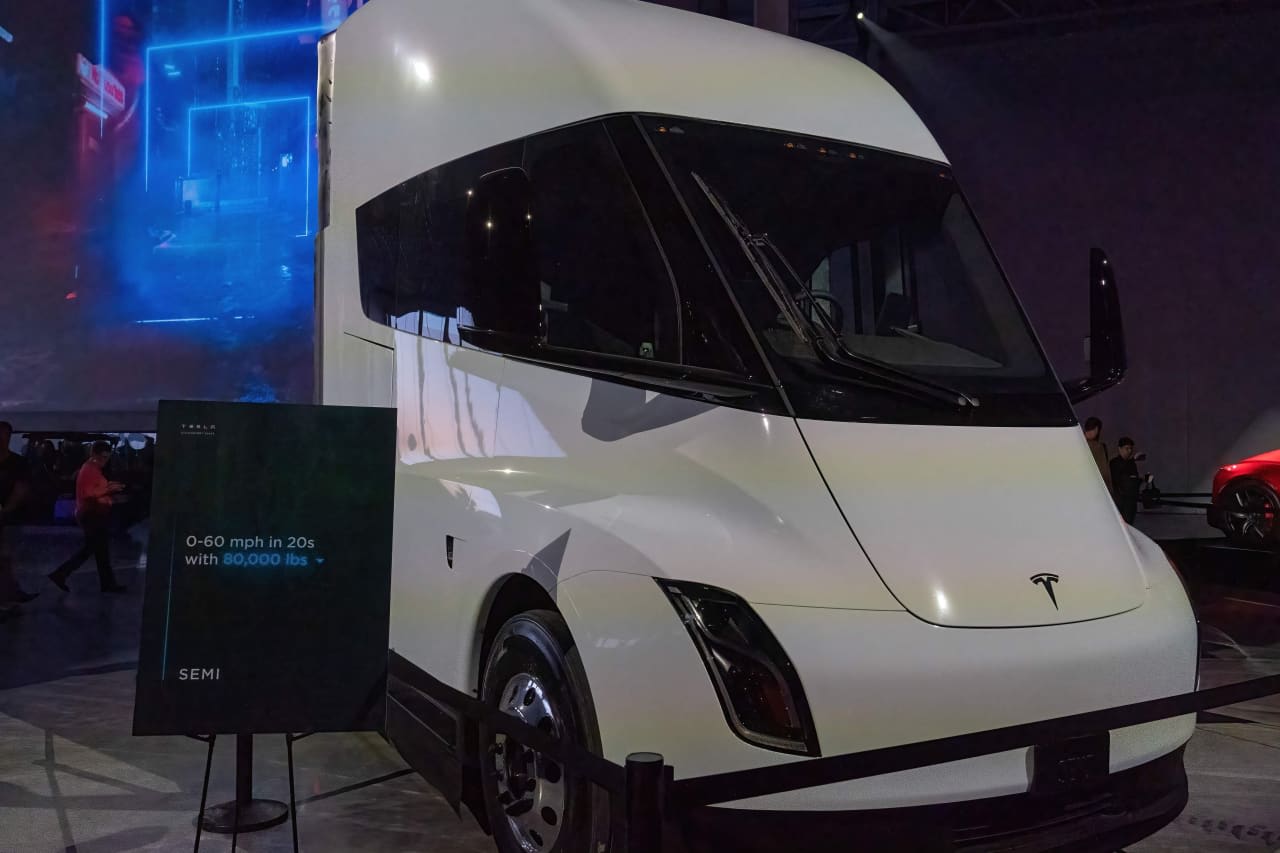
Tesla has officially launched high-volume production of its heavy-duty Semi truck at a new dedicated factory in Sparks, Nevada. This move aims to leverage rising diesel costs to capture the commercial trucking market, nearly a decade after the vehicle's initial 2017 unveiling.
The Tesla Semi: A Strategic Shift Toward Commercial Logistics
Tesla has officially entered a new phase of its corporate strategy by commencing high-volume production of the Tesla Semi at its newly opened facility in Sparks, Nevada. This milestone, marked by a ribbon-cutting ceremony, represents a significant transition from the limited-run distribution model that defined the truck's early years. With the capacity to produce 50,000 trucks annually—or approximately 1,000 per week—Tesla is signaling its intent to move beyond the passenger vehicle market and secure a tangible foothold in the heavy-duty commercial trucking sector.
Overcoming a Decade of Development
The road to this production facility has been long and fraught with delays. First introduced as a concept in 2017, the Semi remained a niche project for years, with small-scale deliveries beginning only in 2022 to select partners like PepsiCo. The formal opening of the Nevada factory serves as a critical proof-of-concept for investors, demonstrating that Tesla has finally bridged the gap between prototype and industrial-scale manufacturing. This transition is essential for the company to validate the long-gestating promise of its electric heavy-duty platform.
The Economic Catalyst: Rising Diesel Costs
The timing of this production surge is not coincidental. As global diesel prices continue to surge, the operational costs for traditional logistics companies have reached a breaking point. Tesla is positioning the Semi as a direct solution to these inflationary pressures. By offering an all-electric alternative to diesel-powered big rigs, the company hopes to provide a compelling value proposition that offsets the initial investment costs through long-term fuel and maintenance savings. This shift toward commercial electrification is a calculated response to the volatility of fossil fuel markets.
Competitive Landscape and Investor Sentiment
Despite the operational progress, the environment into which the Semi is launching remains highly competitive. Tesla’s core passenger EV business is facing increased pressure from global rivals, and investors remain cautious about whether the Semi can generate significant profit margins in the short term. The event held at the Sparks facility was clearly designed to reassure stakeholders that the company’s expansion into heavy-duty transport is a viable pillar of its future growth strategy, rather than just a secondary project.
Future Implications for Freight Logistics
The move to 1,000 trucks per week indicates that Tesla is preparing for a sustained rollout across the logistics industry. If the company can maintain this production velocity, the impact on the commercial transport market could be profound. As more Semis hit the road, the data gathered from real-world operations will be vital for refining battery efficiency and charging infrastructure requirements. For Tesla, success here is not just about selling vehicles; it is about establishing a dominant role in the infrastructure of the future freight economy.
Verification Required?