Tata Sons revolt erupts as board votes to reappoint N Chandrasekaran, Noel objects
Source Entity
Latest News: Todays Latest News Headlines from India & World | Hindustan Times | Hindustan Times
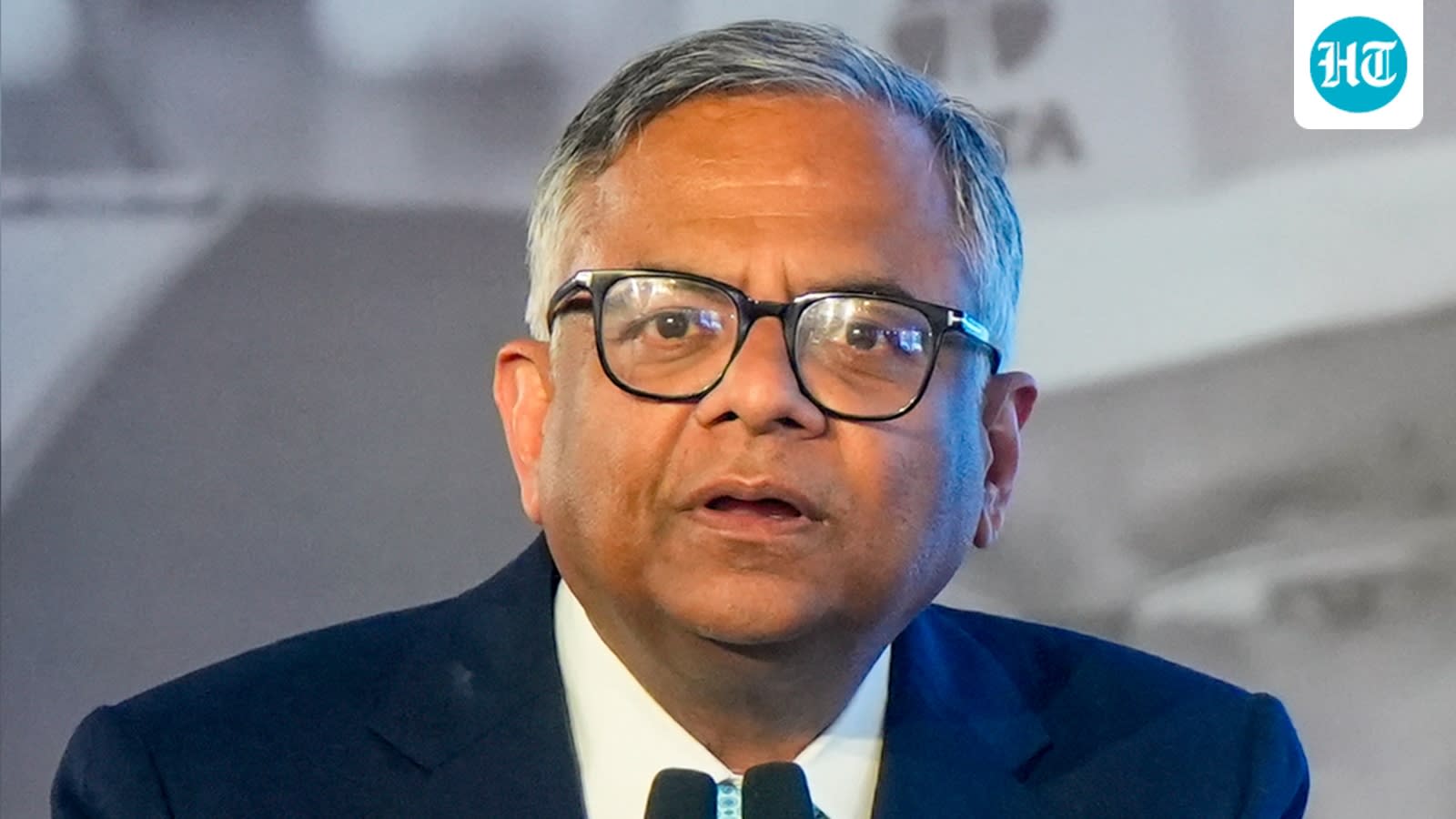
The Tata Sons board has approved a five-year reappointment for Chairman N Chandrasekaran and a mandatory stock market listing. Tata Trusts, led by Noel Tata, has challenged the legality of these decisions, setting the stage for a major corporate governance conflict.
Corporate Turbulence at the House of Tata
The recent board meeting of Tata Sons has culminated in a significant governance flashpoint. The board has formally approved a fresh five-year term for N Chandrasekaran as executive chairman, effectively reversing his previous indications that he would not seek reappointment. This development, however, has triggered an immediate and vocal institutional backlash, highlighting deep-seated tensions within the conglomerate’s governance structure.
The Legal and Structural Dispute
At the heart of this conflict is the opposition from Tata Trusts, which maintains a controlling 66% stake in Tata Sons. Noel Tata, Chairman of Tata Trusts, has explicitly opposed both the reappointment of Chandrasekaran and the board's decision to proceed with a stock market listing. Tata Trusts has gone as far as labeling the board's resolutions as "illegal" and a "legal nullity," arguing that the lack of consensus from the Trusts' representatives renders the board's actions ineffective under current corporate governance frameworks.
Regulatory Pressures and Strategic Shifts
The impetus for these controversial decisions stems largely from external regulatory pressure. The Reserve Bank of India (RBI) recently rejected Tata Sons' bid to surrender its status as a Core Investment Company (CIC). As a result, the company is now mandated by the RBI to pursue a stock market listing. The board's move to initiate this listing process is a direct response to this regulatory requirement, yet it remains a point of contention with the Trusts, who hold the ultimate power to ratify or veto these decisions at the Annual General Meeting (AGM).
Governance and Internal Dynamics
The internal divide within the board is stark. While Venu Srinivasan, a nominee of Tata Trusts, has supported the reappointment and the listing, Noel Tata’s dissent creates a profound obstacle. Because the Companies Act requires ratification at the AGM, the Trusts' 66% stake serves as a definitive check on the board’s authority. If the Trusts maintain their opposition, the board's recent resolutions face a high probability of being overturned, potentially invalidating the leadership transition.
Implications for Future Leadership
The succession process, which was intended to provide stability, now faces significant uncertainty. By reversing course on his initial stance, Chandrasekaran has placed himself at the center of a high-stakes power struggle. The disagreement over the listing and the chairmanship suggests a fundamental misalignment regarding the future strategic trajectory of the Tata group's holding company.
Conclusion and Outlook
The situation remains fluid, with the potential for further legal challenges and contentious shareholder proceedings. As the company moves toward its AGM, the resolution of this conflict will likely set a major precedent for how the Tata group balances the mandates of financial regulators like the RBI against the internal governance of its controlling shareholders. Investors and stakeholders are now watching closely, as the outcome will dictate the stability of the conglomerate's leadership for the next half-decade.
Multiple Citing Sources
Verification Required?