'Condition was not met': Tata Trusts challenges Chandrasekaran reappointment resolution
Source Entity
PRIYANKA JAISWAL
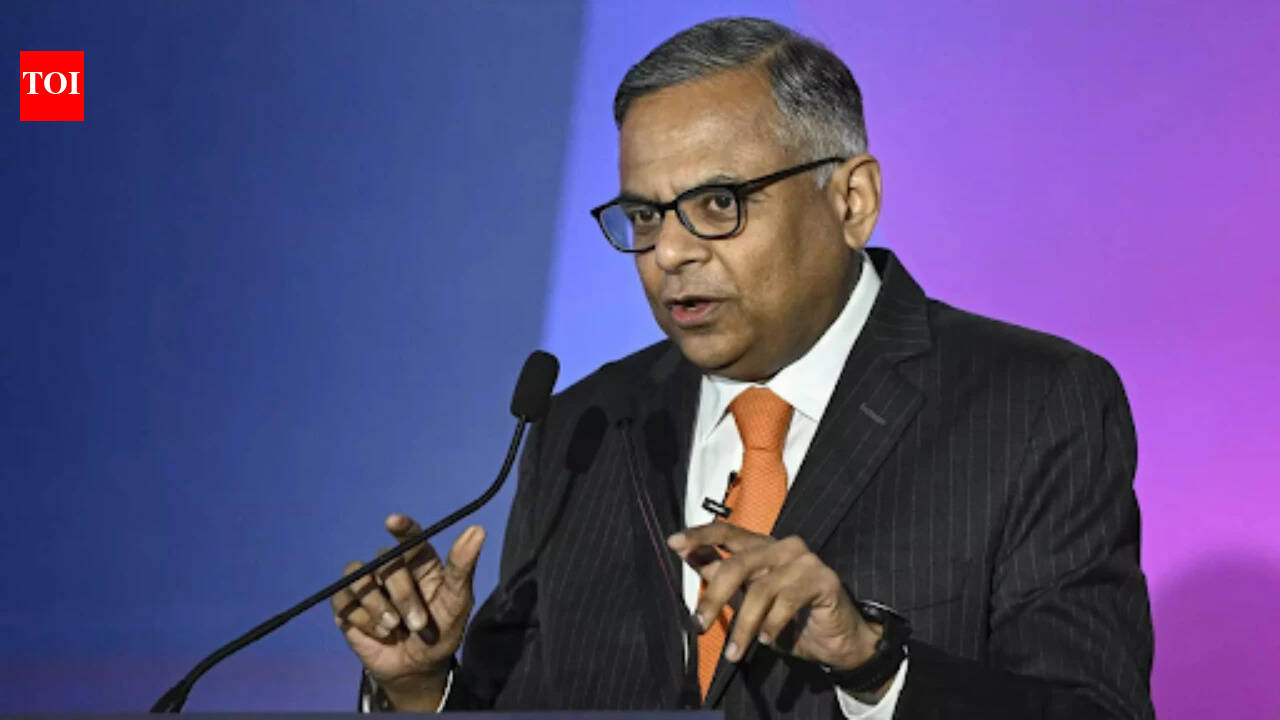
Tata Trusts has challenged the reappointment of N. Chandrasekaran as Tata Sons Chairman, declaring the board's vote void due to a lack of mandatory affirmative support. Legal experts argue that the board cannot bypass the Trusts, which hold a 66% stake in the conglomerate.
Governance Crisis at Tata Sons: The Challenge to Chandrasekaran's Reappointment
A Fundamental Breach of Governance
The corporate governance structure of the Tata Group has entered a period of intense volatility following the decision by Tata Trusts, the majority shareholder, to declare the reappointment of N. Chandrasekaran as Chairman of Tata Sons 'void ab initio.' At the heart of this dispute lies the interpretation of the Articles of Association (AoA), which mandate that specific board decisions require the affirmative support of Nominee Directors appointed by the Trusts. By bypassing this requirement, the board has triggered a direct confrontation with the entity that controls 66 percent of the salt-to-software conglomerate.
The Failure of the Casting Vote Mechanism
Tata Trusts has explicitly rejected the board's reliance on the Chairman’s casting vote to ratify the reappointment. The Trusts argue that the casting vote—a mechanism designed to break ties at the overall board level—is inapplicable when the prerequisite condition of 'affirmative support' from the Trusts' nominees has not been satisfied. According to the Trusts, the resolution failed the moment the mandatory condition was not met, rendering any subsequent voting tallies or casting votes legally irrelevant under the existing corporate charter.
The Principle of Shareholder Primacy
Prominent legal expert Abhishek Manu Singhvi has entered the fray, characterizing the current board as a 'runaway board' that is operating outside the bounds of its mandate. Singhvi’s support for the Trusts’ position highlights a broader legal debate regarding shareholder primacy. In a structure where a single entity holds a two-thirds majority stake, the board’s attempt to act independently of the Trusts’ explicit consent is being framed as an overreach that undermines the foundational governance agreements of the Tata Group.
Historical Context and Institutional Power
The Tata Group has historically maintained a unique balance between the professional management of Tata Sons and the philanthropic oversight of Tata Trusts. This dispute underscores the inherent tension in a structure where the board is tasked with corporate execution while the Trusts retain ultimate authority over high-level governance decisions. The current clash suggests that the established protocols for checks and balances are being severely tested, potentially leading to a permanent shift in how the holding company interacts with its majority shareholder.
Broader Implications and Future Trends
This conflict signals a period of profound uncertainty for the Tata Group’s strategic direction. If the reappointment is indeed voided, the board will face a significant crisis of legitimacy, necessitating either a renegotiation of governance terms or a complete restructuring of the leadership selection process. Investors and stakeholders should watch for further litigation or board-level compromises, as this case will likely set a precedent for how majority shareholders exercise their veto powers in large Indian conglomerates moving forward.