Taylor Farms' connections to Trump admin spurs probe into Cyclospora response
Source Entity
Beth Mole
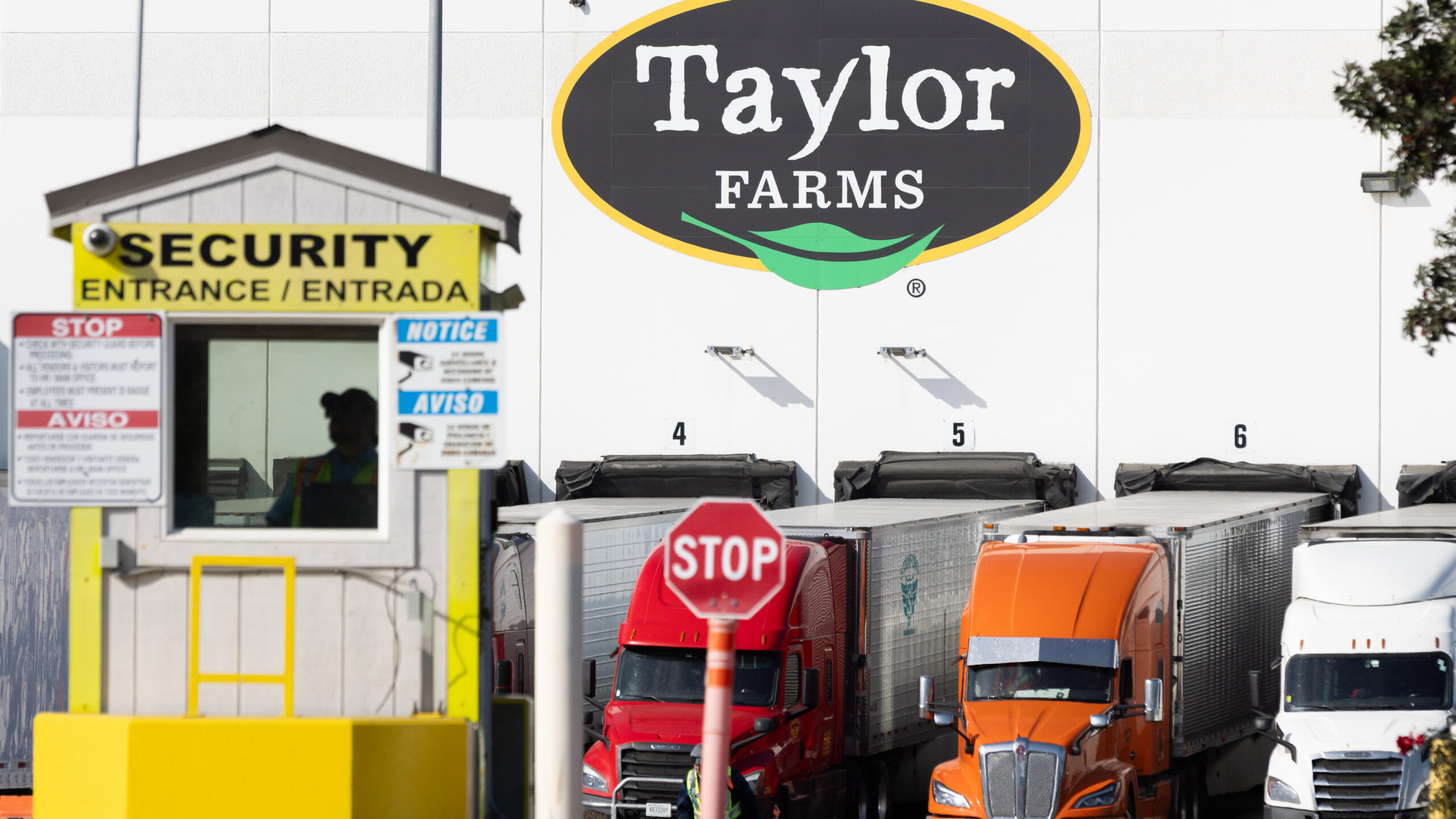
Senator Elizabeth Warren is demanding an investigation into whether Taylor Farms' political influence hindered the Trump administration's response to a deadly Cyclospora outbreak. The inquiry focuses on potential corruption and regulatory failures regarding contaminated lettuce imports.
The Intersection of Public Health and Corporate Influence
The recent Cyclospora outbreak, which has resulted in over 24,000 illnesses and two confirmed fatalities, has ignited a fierce political firestorm. Senator Elizabeth Warren (D-Mass.) has officially challenged the federal government’s handling of the crisis, directing her scrutiny toward Health Secretary Robert F. Kenney Jr. The core of the controversy lies in the alleged inadequacy of the response, which critics are labeling as "botched" and "marred by missteps."
Investigating the Taylor Farms Connection
At the center of this investigation is Taylor Farms, a major produce distributor identified as the source of the Mexican-grown iceberg lettuce linked to the parasite. Senator Warren’s inquiry is grounded in the concern that the company’s extensive political contributions and direct lobbying efforts within the Trump White House may have compromised the integrity of federal food safety oversight. The investigation seeks to determine if these ties created a conflict of interest that prevented a more aggressive regulatory intervention.
The Anatomy of a Regulatory Failure
Foodborne illness outbreaks of this magnitude typically trigger immediate, stringent federal oversight to identify and mitigate the source of contamination. However, the current situation suggests a potential breakdown in this standard protocol. By questioning whether corporate influence swayed the administration’s response, the Senator is highlighting broader systemic concerns about how political pressure can erode the efficacy of public health agencies tasked with ensuring food safety.
Historical Context and Political Implications
This incident is not an isolated event but rather a flashpoint in the ongoing debate regarding the influence of private industry on public health policy. Historically, the produce industry has wielded significant power in Washington, often leading to tensions between profit-driven distribution chains and the mandate of agencies like the FDA. The allegation that political lobbying may have prioritized corporate interests over the health of the American public poses a significant challenge to current administrative transparency.
Future Trends in Food Safety Accountability
As the investigation proceeds, it is likely to set a precedent for how future foodborne outbreaks are handled. If it is proven that political influence delayed necessary regulatory action, we can expect a push for more robust, independent oversight mechanisms. This inquiry may force a reevaluation of the relationship between major food distributors and executive branch agencies, potentially leading to stricter disclosure requirements for lobbying efforts during public health emergencies.
Conclusion
In summary, the situation surrounding Taylor Farms and the Cyclospora outbreak represents a critical intersection of public safety and political ethics. As the public is advised to cook vegetables to at least 158°F to neutralize the threat, the political heat continues to rise. Senator Warren’s demand for accountability underscores a growing demand for a government response that remains insulated from corporate influence, ensuring that public health remains the primary objective during national crises.