How teen's plea for help after tiff with parents ended in gangrape on moving bus
Source Entity
TNN
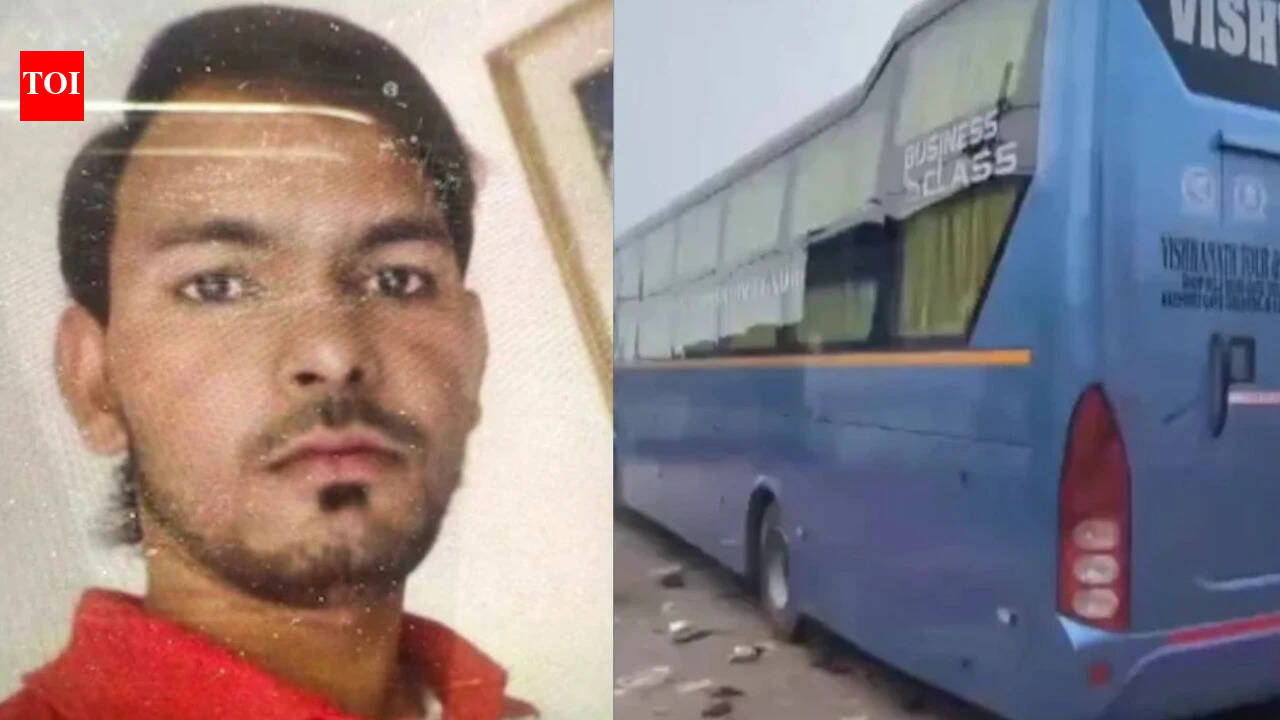
A 17-year-old girl was gang-raped by a bus driver and conductor after seeking help following a disagreement with her parents. Authorities have arrested both suspects, highlighting critical safety lapses in private bus transport systems.
A Tragic Breach of Trust: Analyzing the New Delhi Bus Assault
The Incident and Immediate Aftermath
The recent reports concerning a 17-year-old girl who was gang-raped on a moving sleeper bus represent a harrowing failure of public safety. According to the provided details, the teenager, who had left her home in Mainpuri, Uttar Pradesh, following a domestic dispute, found herself stranded in Greater Noida during a period of heavy rain and darkness. In a desperate attempt to reach her relatives in Noida, she signaled a passing sleeper bus for help. Instead of receiving assistance, she was subjected to a brutal sexual assault by the driver and conductor, who drove for approximately thirty kilometers before abandoning her near Kashmere Gate.
Swift Law Enforcement Response
The speed of the police investigation serves as a critical component of this case. Within hours of the complaint being filed, authorities successfully apprehended both the driver and the conductor. This rapid response underscores the importance of immediate reporting and the effectiveness of current tracking mechanisms in urban transport hubs. However, while the arrests provide a sense of judicial progress, the underlying circumstances that allowed this crime to occur in a public-facing vehicle remain a point of significant concern for law enforcement and transit regulators.
Systemic Vulnerabilities in Private Transport
This incident brings to the forefront the broader implications regarding the regulation of private sleeper buses in India. The fact that a vulnerable minor could be targeted so easily highlights a lack of stringent background checks and security protocols for staff operating these vehicles. The "sleeper" configuration, while convenient for long-distance travel, creates isolated environments that are difficult to monitor, necessitating a re-evaluation of safety standards, such as mandatory GPS tracking, emergency alert buttons, and stricter personnel verification processes.
The Intersection of Domestic Turmoil and Public Safety
The context of the victim's journey—leaving home after a disagreement with her parents—illustrates a broader social issue regarding the vulnerability of minors in transit. When domestic support systems fail, adolescents often turn to public infrastructure as a means of escape, inadvertently placing themselves in high-risk situations. This case serves as a grim reminder that public transportation networks must be equipped to identify and protect vulnerable passengers, rather than becoming sites of exploitation.
Future Trends and Policy Implications
Moving forward, this tragedy is likely to catalyze a renewed push for legislative reform concerning private bus operators. We can expect increased pressure on transit authorities to enforce stricter licensing for staff and potentially mandate the presence of a third-party security attendant on night-service sleeper buses. Furthermore, public awareness campaigns regarding the dangers of accepting rides from unverified transit staff are essential. Ultimately, ensuring the safety of passengers requires a multi-faceted approach involving better vehicle security technology, rigorous employment screening, and enhanced police patrolling in transit corridors.