Telangana farmers caught between a dry spell and despair
Source Entity
India Latest News: Top National Headlines Today & Breaking News | The Hindu
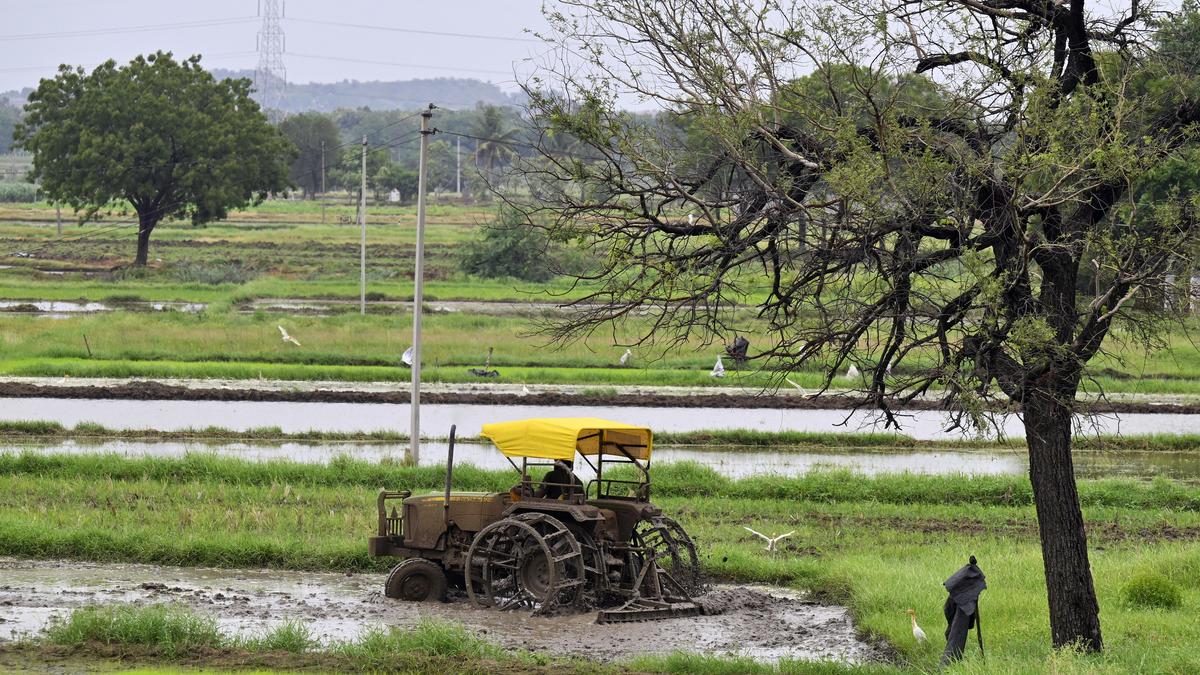
Telangana farmers are facing a severe agricultural crisis due to delayed monsoon rains and falling groundwater levels. Despite government advisories to shift crops, many remain trapped in cycles of debt and traditional farming practices.
The Crisis of Telangana’s Rainfed Agriculture
A Climate-Driven Agricultural Crisis
Farmers in Telangana, particularly in districts like Sangareddy, are facing an existential threat as the interplay of delayed monsoons and plummeting groundwater levels creates a precarious environment for agriculture. The narrative of P. Narasimhulu, a tenant farmer in Aroor village, serves as a poignant microcosm of this broader crisis. After suffering significant financial losses due to excess rain last year, the current drought-like conditions underscore the extreme volatility that climate change is inflicting upon small-scale cultivators.
The El Niño Factor and Resource Depletion
The looming shadow of El Niño has exacerbated the water scarcity issue, leaving reservoirs at critically low levels. This meteorological phenomenon is not merely a statistical concern but a direct driver of crop stress, as seen in the stunted growth of black gram and redgram crops across the region. When natural precipitation fails, farmers are forced to rely on groundwater, which is already depleting, creating a vicious cycle where the cost of cultivation rises even as the likelihood of a successful harvest diminishes.
The Conflict Between Tradition and Policy
There is a profound disconnect between state-level contingency planning and the ground-level realities of farming. While the Telangana government has urged cultivators to shift toward less water-intensive crops, many farmers like Narasimhulu remain wedded to traditional cropping patterns. This adherence is not born of stubbornness, but of economic necessity and systemic inertia. Many farmers have already invested significant capital in plowing and sowing, making it financially impossible to pivot mid-season without incurring immediate, total losses.
The Burden of Economic Debt
The financial stakes for these farmers are staggering. With investments reaching tens of thousands of rupees per season, the threat of recurring crop failure poses a severe risk to rural livelihoods. For tenant farmers, who lack the security of land ownership and often rely on high-interest loans for inputs, a single failed season can lead to a debt trap that lasts for years. The struggle to recover the ₹1 lakh investment mentioned by Narasimhulu highlights the thin margin between survival and financial ruin.
Future Outlook and Policy Implications
As Telangana continues to grapple with these environmental pressures, the future of its agrarian economy will depend on more than just weather patterns. There is an urgent need for robust government support that goes beyond advisory notices to include financial safety nets, insurance reform, and localized water management solutions. Without a structural shift that addresses the volatility of the rainy season, the cycle of despair for farmers in rainfed areas is likely to intensify, potentially leading to long-term rural distress and migration.
Verification Required?