Prospects of kharif cultivation turns bleak in Telangana with monsoon failure
Source Entity
India Latest News: Top National Headlines Today & Breaking News | The Hindu
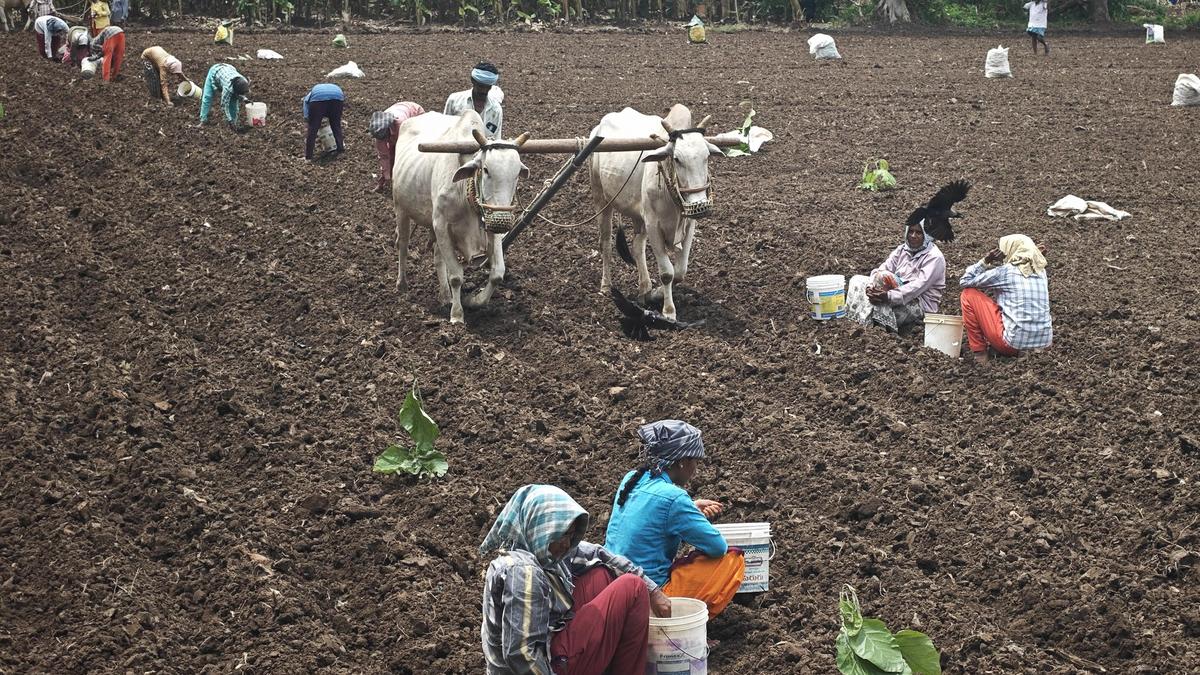
Over 63% of mandals in 32 rural districts record deficient to large deficient rainfall; water levels in reservoirs remains gloomy
Crisis in the Fields: Analyzing the Monsoon Failure in Telangana
Telangana is currently facing a critical agricultural crossroads as the failure of the Southwest Monsoon threatens the viability of the Kharif cultivation season. With over 63% of mandals across 32 rural districts recording rainfall levels ranging from 'deficient' to 'large deficient,' the state's agrarian economy is under immense pressure. The Kharif season, which typically relies on the timely arrival and consistency of monsoon rains, is the backbone of the region's food security and farmer livelihoods. The current deficit suggests a systemic failure in the expected precipitation patterns, leaving millions of acres of farmland parched and vulnerable.
The Immediate Impact on Kharif Cultivation
The lack of adequate rainfall during the critical sowing and growth phases of the Kharif season is catastrophic for primary crops such as paddy, cotton, and maize. In Telangana, these crops require specific moisture thresholds to ensure proper germination and nutrient uptake. When rainfall is classified as 'large deficient,' the soil moisture drops below the wilting point, leading to stunted growth or total crop failure. Because a vast majority of the rural mandals are affected, this is not a localized issue but a widespread regional crisis that could lead to a significant drop in total agricultural output for the year.
Reservoir Depletion and Irrigation Challenges
Beyond the direct lack of rain, the 'gloomy' state of reservoir levels presents a secondary, more enduring crisis. Reservoirs serve as the primary buffer against erratic weather, providing canal irrigation when rains fail. However, when the monsoon fails on a large scale, these reservoirs do not recharge. This creates a double-edged sword for farmers: they have no rain for direct sowing and no stored water for irrigation. The depletion of these water bodies also threatens the groundwater table, as farmers are forced to over-rely on borewells, which may eventually run dry if the deficit persists into the next season.
Socio-Economic Ramifications for Rural Communities
The economic implications of this rainfall deficiency are profound. Agriculture is the primary source of income for a significant portion of Telangana's rural population. A failure in the Kharif harvest often leads to a cycle of debt, as farmers have already invested heavily in seeds, fertilizers, and labor. With the prospects of a harvest turning bleak, there is an increased risk of financial distress among the farming community. This often triggers a ripple effect through the local economy, reducing purchasing power in rural markets and increasing the burden on the state government to provide crop insurance payouts and emergency relief funds.
Historical Context and Climatic Trends
This event fits into a worrying trend of increasing climatic volatility in the Deccan Plateau. Historically, the region has been prone to droughts, but the frequency and intensity of 'large deficient' rainfall patterns are becoming more pronounced. The shift in monsoon trajectories, often linked to broader global phenomena like El Niño or changing Indian Ocean Dipole (IOD) patterns, means that traditional farming calendars are no longer reliable. The current situation in 32 districts highlights the fragility of a rain-dependent agricultural system in an era of unpredictable weather patterns.
Future Outlook and Mitigation Strategies
Looking forward, this crisis underscores the urgent need for a transition toward climate-resilient agriculture in Telangana. To mitigate future losses, the state may need to accelerate the adoption of micro-irrigation techniques, such as drip and sprinkler systems, to maximize the utility of depleted reservoir water. Furthermore, encouraging the cultivation of drought-resistant crop varieties and diversifying away from water-intensive paddy in rain-deficient mandals will be essential. If the state can integrate better weather forecasting with adaptive cropping patterns, it can reduce the volatility associated with monsoon failures.
Summary
In conclusion, the current monsoon failure in Telangana is a severe blow to the rural economy, affecting the majority of its agricultural heartland. The combination of deficient rainfall across 32 districts and dwindling reservoir levels creates a precarious situation for Kharif crops. Without immediate intervention and long-term structural shifts in water management and crop selection, the region remains highly susceptible to the devastating effects of climatic instability.
Verification Required?