Telangana district tops India, women make up 78% of informal workers
Source Entity
Siddharth Upasani
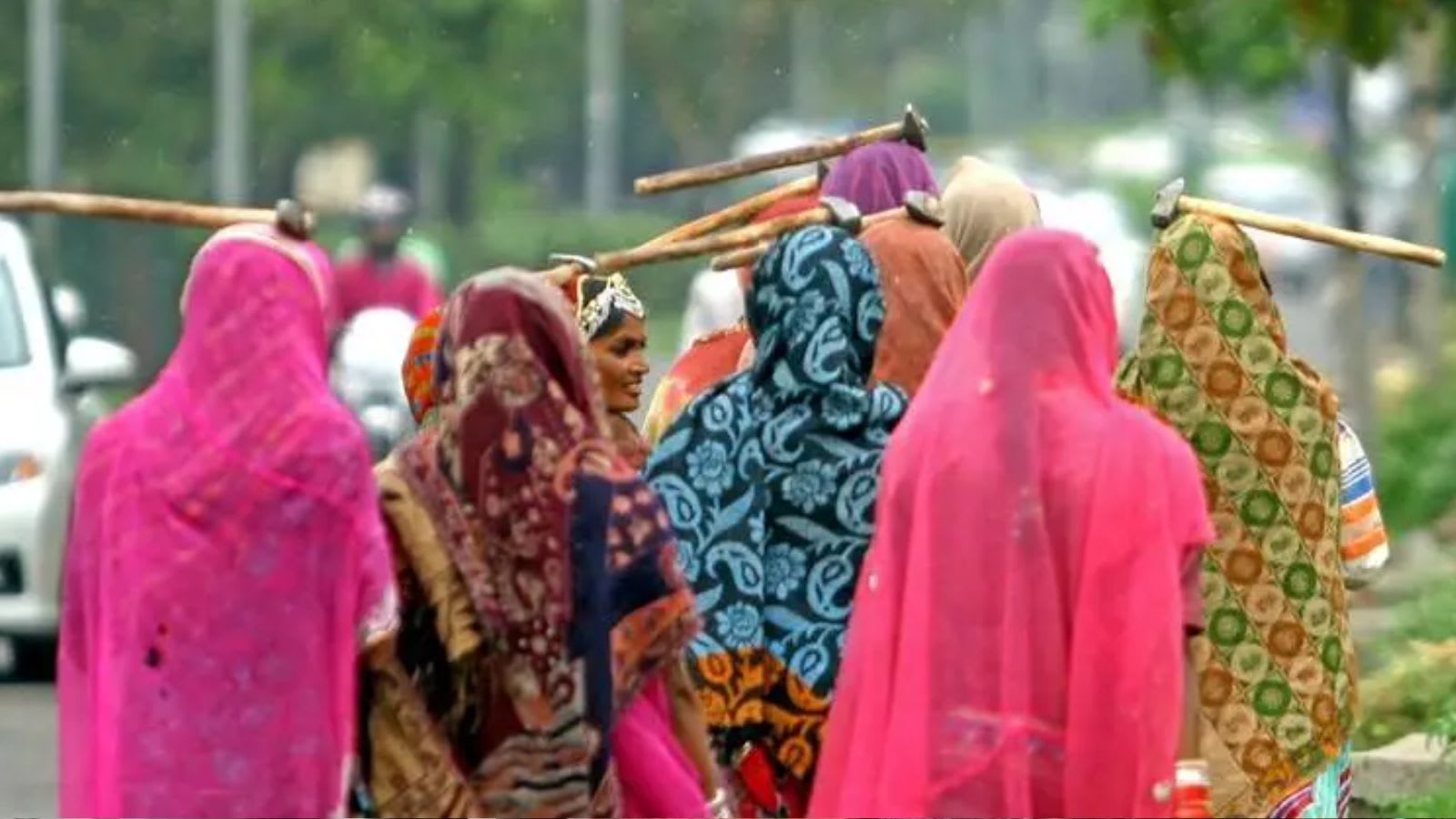
Recent data from the Ministry of Statistics and Programme Implementation reveals stark regional disparities in female participation within India's informal labor market. While Nirmal district leads with 78% female informal workers, geographic concentration remains high, with just 130 districts hosting half of all informal enterprises.
Regional Disparities in India's Informal Economy
Recent data released by the Ministry of Statistics and Programme Implementation (MoSPI) has shed light on the significant geographic and gender-based variations within India’s informal sector. The findings, derived from the 2025 Annual Survey of Unincorporated Sector Enterprises (ASUSE), highlight a complex landscape where economic participation is heavily influenced by regional policy frameworks and socio-economic structures.
The Nirmal Phenomenon and Gender Representation
At the forefront of this data is Nirmal district in northern Telangana, which has achieved the distinction of having the highest share of women in the informal workforce at 78%. This figure stands in sharp contrast to neighboring regions like Nanded in Maharashtra, which ranks 288th with only 31% female participation. Such a dramatic discrepancy across state borders suggests that local administrative policies, cultural attitudes toward female labor, and state-specific economic incentives play a more significant role in workforce demographics than mere geographic proximity.
Geographic Concentration of Economic Activity
The ASUSE report further clarifies the structural makeup of India's unincorporated sector. The data reveals a high degree of economic concentration: only 130 districts out of approximately 770 account for half of all informal establishments. This trend is mirrored in labor and Gross Value Added (GVA) metrics, where 121 districts account for 50% of the sector’s workers and a mere 95 districts contribute 50% of the total GVA. Major urban hubs, including North 24 Parganas, Delhi, South 24 Parganas, Kolkata, and Surat, remain the primary engines of this informal economic activity.
The North-South and East-West Divide
An analysis of the top 10 districts for female informal labor participation reveals a distinct trend: these regions are almost exclusively located in South India or the North-East. Conversely, the bottom of the spectrum—such as Rudraprayag in Uttarakhand, where women comprise only 6.7% of informal workers—highlights a substantial "participation gap." This disparity suggests that the informal economy is not a monolithic entity but a fragmented landscape deeply influenced by regional development trajectories.
Implications for Policy and Future Trends
These statistics underscore a fundamental insight: the informal sector is highly localized. Policy interventions aimed at improving labor conditions or providing social security for informal workers cannot be "one-size-fits-all." Instead, state governments must pivot toward localized strategies that address the specific socio-economic barriers preventing higher female labor force participation in states like Uttarakhand, while perhaps scaling the successful models observed in Telangana.
Conclusion: A Call for Targeted Development
The concentration of GVA and employment in a small fraction of districts suggests that economic policy must prioritize infrastructure and support systems in these high-activity zones while simultaneously investigating the underlying causes of low female engagement in the informal sectors of underperforming districts. By leveraging this granular data from the NSO, policymakers are now better positioned to foster a more inclusive and geographically balanced economic expansion.