Govt Committee decides to expedite identification of Telangana activists
Source Entity
India Latest News: Top National Headlines Today & Breaking News | The Hindu
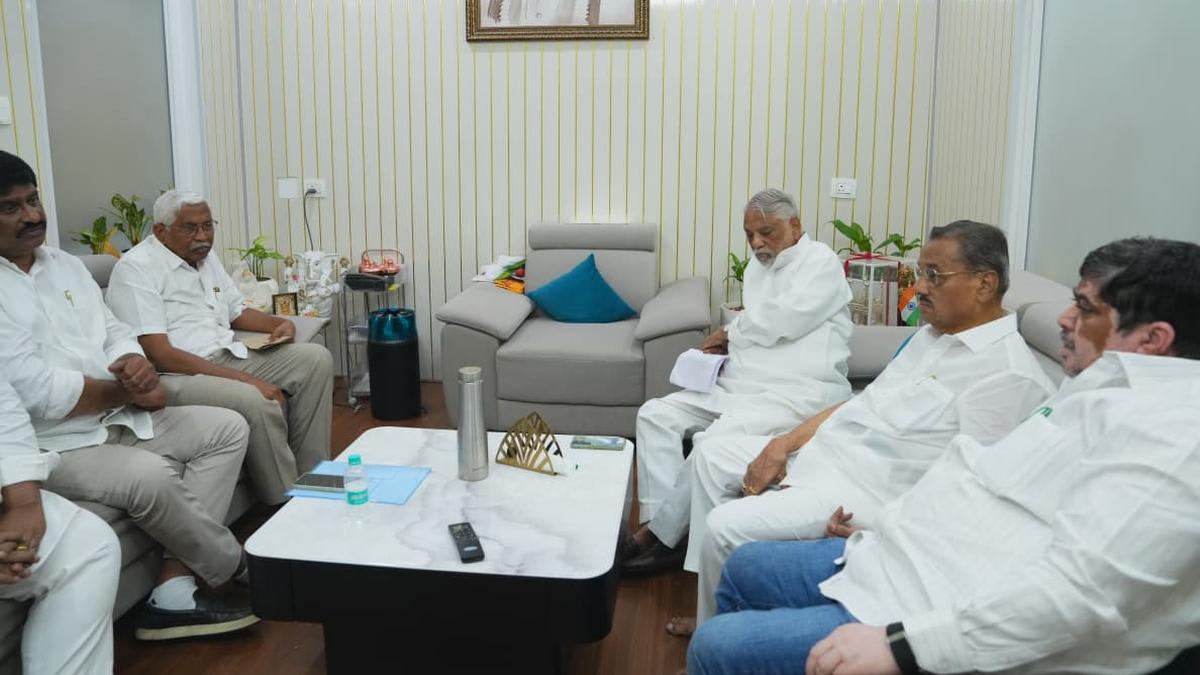
A government-appointed committee is accelerating the identification process for Telangana statehood movement activists. The initiative includes launching a dedicated website to streamline documentation and recognition efforts.
Accelerating Recognition for Telangana Statehood Activists
The Telangana government has taken a decisive step toward honoring the participants of the statehood movement by expediting the identification process for those who contributed to the cause. A committee, specifically tasked with this mandate, met on November 21, 2026, to streamline the workflow and finalize the infrastructure required to document the history of the movement accurately.
Committee Composition and Strategic Direction
Chaired by K. Keshava Rao, the committee represents a high-level effort to ensure that the recognition process is both inclusive and verified. The meeting, held at the residence of Minister Ponnam Prabhakar, saw the participation of key figures including MLC Professor Kodandaram, former MLC Ramulu Naik, Mothe Shobhan Reddy, and Shyam Mohan. Their involvement signals a concerted political effort to formalize the legacy of the agitation that led to the formation of the state.
Digital Transformation of Documentation
A core component of the committee's strategy is the upcoming launch of a dedicated website. This platform is intended to serve as the primary hub for activists to register and provide details of their participation. By moving toward a digital-first approach, the committee aims to eliminate bureaucratic delays and provide a transparent, accessible channel for former agitators to be formally recognized by the state.
Historical Context and Broader Implications
The Telangana statehood movement was a landmark event in Indian political history, characterized by years of protests, hunger strikes, and civil mobilization. Recognizing the individuals who stood at the forefront of this movement is not merely a bureaucratic exercise; it is a significant political acknowledgment of the grassroots struggle that defined the region's trajectory over several decades. This process serves to institutionalize the movement's history within the state's official narrative.
Future Trends and Administrative Challenges
As the committee transitions into the implementation phase, the focus will likely shift toward robust verification methods. Ensuring the accuracy of the data collected through the new portal will be critical to maintaining the integrity of the recognition process. If successful, this model could set a precedent for how future state-level movements are documented and honored in India, potentially influencing how the government engages with historical political activism.
Conclusion
The acceleration of this identification process marks a milestone in the post-statehood era of Telangana. By leveraging digital tools and high-level oversight, the committee is positioning itself to close the chapter on the movement's documentation while providing long-awaited recognition to those who played a pivotal role in the creation of the state.
Verification Required?