Tesla’s Cybercab moment is coming. Elon Musk needs to prove the car isn’t just hype.
Source Entity
William Gavin
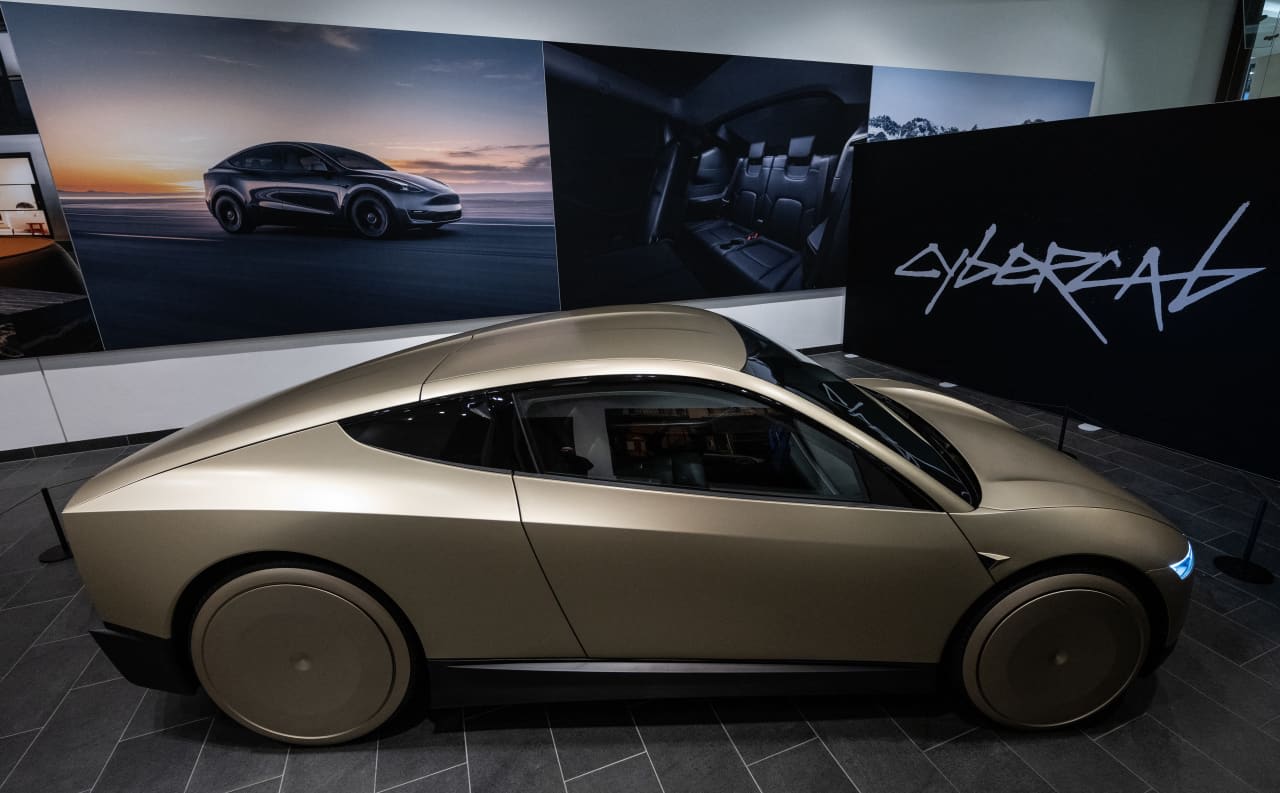
Tesla has officially launched its Cybercab robotaxi service in Austin, Texas, marking a pivotal transition from concept to public operation. This milestone tests Elon Musk's long-standing autonomous vehicle strategy, which notably removes traditional steering wheels and pedals.
The Dawn of the Cybercab Era
After nearly two years of anticipation, Tesla has transitioned its Cybercab project from a futuristic concept to a tangible reality on public roads. The rollout of these gold-tinted, gull-wing door vehicles in Austin, Texas, represents a landmark moment for Tesla’s autonomy roadmap. By removing traditional driver interfaces like steering wheels and pedals, Tesla is signaling a radical departure from conventional automotive design and an aggressive push toward a fully autonomous future.
A Departure from Automotive Norms
The most striking feature of the Cybercab is its minimalist, barebones design. By eliminating the steering wheel and pedals, Tesla is not merely refining existing driver-assistance systems but is attempting to leapfrog into a design philosophy centered entirely on autonomous transit. This heterodox approach puts the company’s engineering capabilities to their most rigorous test yet, as the vehicle must navigate complex urban environments without any human intervention as a fail-safe.
The High Stakes of Autonomy
Elon Musk has tethered the future of Tesla—and his own compensation structure—to the success of this robotaxi platform. The transition from the drawing board to public rides in Austin is a critical litmus test for investors and critics alike. The company must now prove that the Cybercab is more than just an aesthetic statement or a marketing hype cycle; it must demonstrate consistent, reliable, and safe operation in real-world traffic conditions.
Navigating the Road Ahead
The launch of the Cybercab service in Austin serves as a proof-of-concept that will dictate the pace of future expansions. As the company begins gathering real-world data, the focus will shift to how these vehicles handle the unpredictable variables of city driving. Success in Austin could validate Musk’s long-term vision of a world dominated by Tesla’s autonomous fleet, whereas any technical setbacks could raise significant questions about the viability of a steering-wheel-free future.
Broad Implications for Public Transit
This development is not just a win for Tesla; it is a significant shift in the broader landscape of public transportation. By introducing a dedicated robotaxi fleet, Tesla is positioning itself as a challenger to traditional ride-sharing platforms and public transit models. The success of this initiative could fundamentally alter how urban centers plan for mobility, potentially reducing the need for individual car ownership in favor of a subscription-based, autonomous transit model.
Conclusion: From Hype to Reality
While the Cybercab has been shrouded in immense hype, its arrival in Austin marks the end of the speculation phase. The coming months will be defined by actual performance metrics rather than CEO promises. As the public begins to interact with these autonomous two-seaters, Tesla faces the ultimate challenge of balancing its bold, futuristic vision with the strict safety and operational requirements of modern transport.
Verification Required?