One year later, Tesla and Musk still don’t have a good definition of ‘abundance’
Source Entity
Sean O'Kane
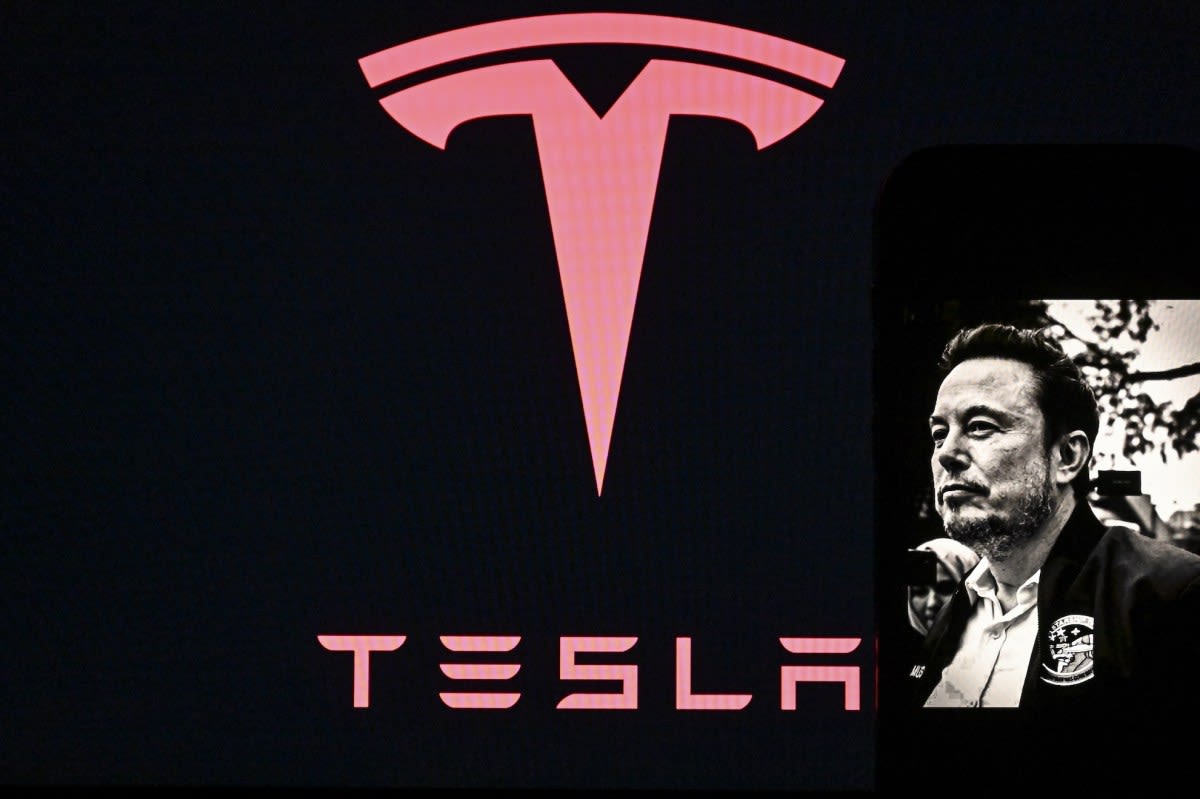
One year after Elon Musk announced his fourth Master Plan for Tesla, the company has yet to provide concrete definitions for its 'amazing abundance' vision. Despite ongoing promises regarding robotaxis, AI, and robotics, the lack of specific implementation details continues to spark criticism.
The Elusive Vision of Tesla's Fourth Master Plan
On September 1, 2025, Elon Musk unveiled his fourth “Master Plan” for Tesla, an event that served as a pivotal moment for investors and enthusiasts alike. However, the immediate aftermath was defined by widespread criticism, even from the company’s most dedicated supporters, who found the initial presentation to be overly generic. In response to this feedback, Musk acknowledged the ambiguity and explicitly promised that more granular details would follow, yet that commitment remains unfulfilled over a year later.
The Shift Toward 'Amazing Abundance'
Central to this narrative is the evolution of Tesla's corporate messaging. Initially, the company’s roadmap was anchored to the concept of “sustainable abundance,” a term that maintained a clear, logical connection to Tesla’s founding mission of accelerating the global transition to renewable energy. This has since been replaced by the more nebulous slogan of “amazing abundance.” According to Musk, this shift was intended to capture a broader, more ambitious scope, but the rebranding has arguably obscured the company's strategic focus.
Integrating Futuristic Technologies
Tesla executives have spent the past twelve months attempting to bridge the gap between this vague rhetoric and tangible business outcomes. The vision of “amazing abundance” is ostensibly built upon a triad of highly speculative technologies: autonomous robotaxis, humanoid robotics, and advanced artificial intelligence. By framing these disparate projects as a singular, cohesive machine, leadership is attempting to move the company beyond its identity as a mere automotive manufacturer.
The Risk of Strategic Ambiguity
While the scope of these ambitions is undeniably vast, the persistent lack of a defined execution strategy poses a significant challenge for stakeholders. When corporate leaders promise a future of abundance without outlining the economic or operational mechanisms to achieve it, it creates a vacuum of information that can lead to market volatility. The transition from “sustainable” to “amazing” represents a move away from the metrics-driven transparency that previously defined Tesla’s growth phases.
Future Trends and Investor Sentiment
Looking ahead, the pressure on Tesla to provide a concrete roadmap will only intensify. As competitors in the AI and autonomous vehicle sectors provide more frequent updates on their progress, Tesla’s reliance on high-level philosophical promises may no longer suffice. The company is currently at a crossroads where it must decide whether to continue championing a grand, abstract vision or to pivot toward the rigorous, data-backed reporting that characterized its earlier, more successful Master Plans.
Conclusion
In summary, one year after the inception of the fourth Master Plan, the definition of “amazing abundance” remains as elusive as ever. While the vision for a future dominated by AI and automation is clear, the path to reach it is not. For Tesla to maintain its market dominance, it must bridge the gap between its visionary marketing and the practical, specific realities of technical implementation.