Tesla’s big electric truck faces an even bigger infrastructure challenge
Source Entity
Aarian Marshall, wired.com
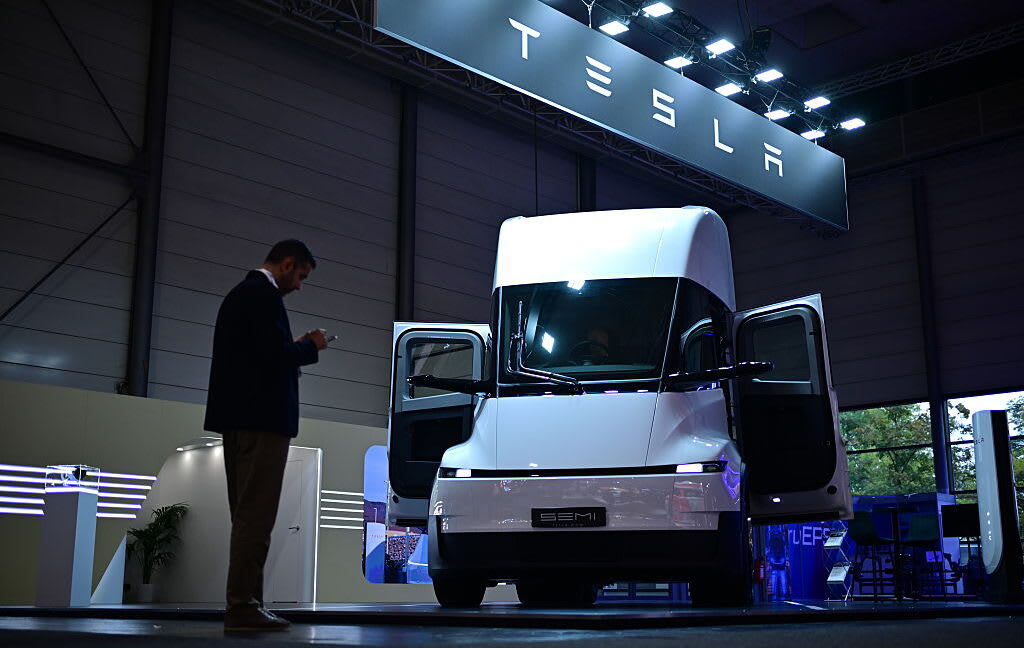
Tesla has officially launched high-volume production of its 500-mile range Semi truck at its Nevada facility. Despite the milestone, the company faces significant hurdles regarding the infrastructure required for widespread electric freight adoption.
The Tesla Semi: Scaling Production Amid Infrastructure Realities
Tesla’s recent launch of high-volume production for its long-awaited Semi truck marks a pivotal shift in the company’s trajectory. While CEO Elon Musk has increasingly pivoted the narrative toward robotics and autonomous systems to justify an ambitious $20 trillion valuation, the reality on the ground at the Sparks, Nevada, factory remains focused on the tangible engineering of heavy-duty electric vehicles. The transition from a 2017 concept to a production-ready fleet vehicle represents a significant milestone in automotive manufacturing, yet it highlights the persistent tension between vision and implementation.
Targeting the Fleet Market
Unlike Tesla’s consumer-facing passenger vehicles, the Semi targets a highly pragmatic demographic: managers of large-scale trucking fleets. These stakeholders are driven by total cost of ownership rather than brand prestige. By showcasing the Semi’s 500-mile range, Tesla is attempting to prove that electric propulsion can survive the rigors of long-haul logistics. However, the reliance on a niche audience underscores the steep climb Tesla faces in convincing traditional logistics firms to overhaul their existing diesel-dependent operational models.
The Infrastructure Bottleneck
Despite the technical achievement of a 500-mile electric range, the broader logistics ecosystem remains unprepared for widespread adoption. The primary challenge is not the vehicle itself, but the lack of high-capacity charging infrastructure along critical freight corridors. Without a robust network of megawatt-scale chargers, the utility of the Semi is artificially capped. The gap between vehicle production and infrastructure deployment creates a "chicken-and-egg" problem that could delay the mass-market viability of electric trucking.
Valuation vs. Practical Application
Elon Musk’s insistence on framing Tesla as a robotics and AI company is a strategic move to attract investors looking for exponential growth. However, the focus on the Semi brings the company back to its industrial roots. If Tesla is to achieve the massive valuation targets Musk has proposed, it must successfully navigate the transition from luxury car manufacturer to industrial fleet provider. This requires not only scaling production but also solving the massive logistical challenges that trucking companies prioritize above all else.
Future Trends and Outlook
Looking ahead, the success of the Semi will likely depend on Tesla’s ability to partner with governments and private energy providers to accelerate grid upgrades and charging station installations. As the industry watches the initial rollout to early adopters, the long-term trend will be defined by whether the Semi can lower operating costs enough to offset the lack of current infrastructure. The coming years will serve as a stress test for whether electric heavy-duty transport can move from a technological novelty to the backbone of global supply chains.