From farm goods to toys: US, China finalise $30 billion tariff deal
Source Entity
Latest News: Todays Latest News Headlines from India & World | Hindustan Times | Hindustan Times
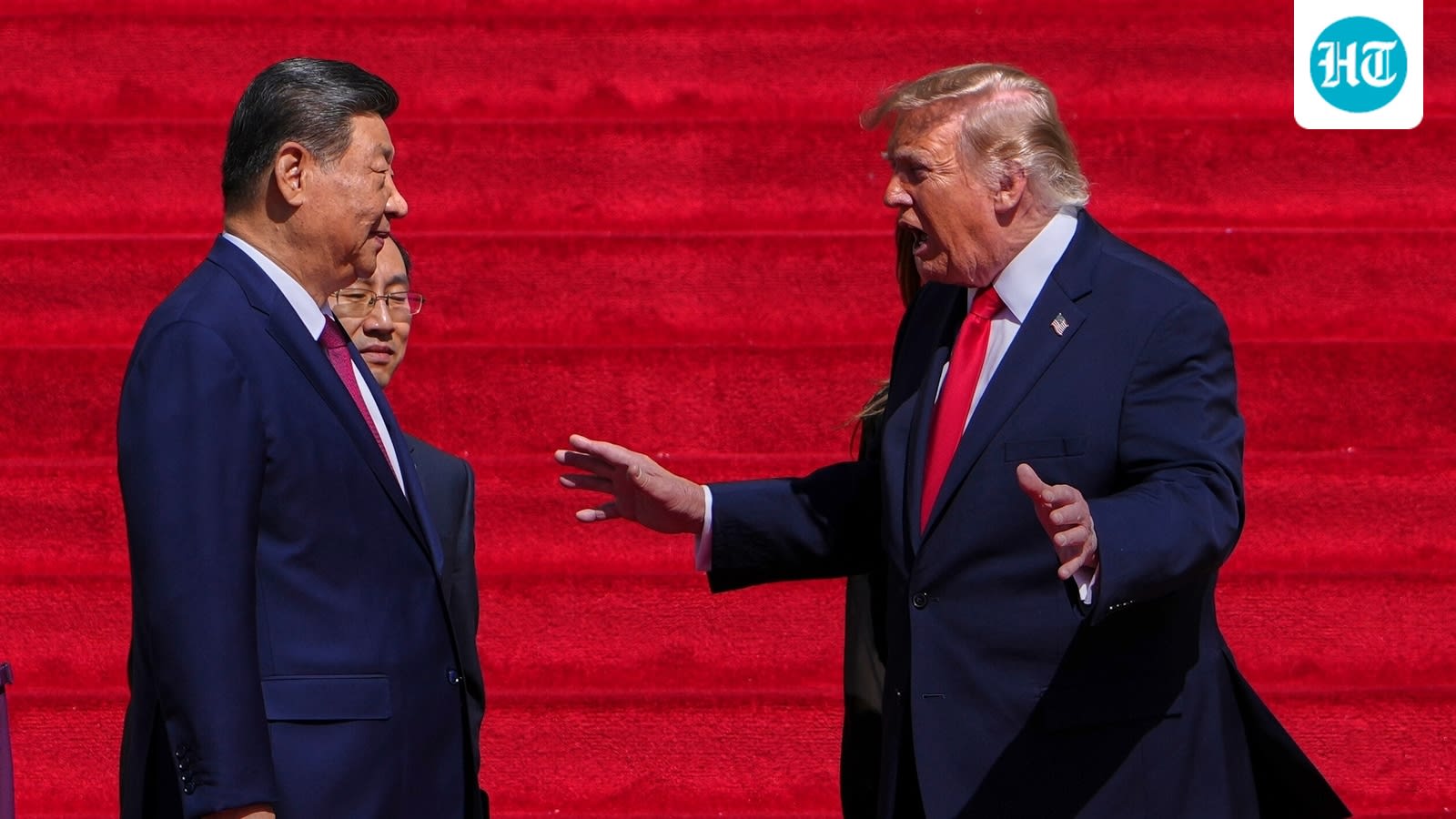
The US and China have finalized a $30 billion tariff agreement following President Xi Jinping's visit to Washington. The deal covers various agricultural and consumer goods and establishes a new council for future economic cooperation.
A New Chapter in US-China Trade Relations
The recent diplomatic engagement between the United States and China has culminated in a significant $30 billion tariff agreement, marking a pivotal moment in the bilateral economic relationship. Following a three-day visit to Washington by Chinese President Xi Jinping—his first since 2015—the two nations successfully negotiated terms aimed at reducing trade friction. This agreement, finalized alongside President Donald Trump, represents a calculated effort to stabilize the world's two largest economies amidst ongoing global market volatility.
Scope and Impact of the Tariff Reductions
The deal encompasses a wide array of goods, reflecting a balanced approach to mutual economic interests. For the United States, the arrangement secures more favorable access for key exports such as agricultural products, wood, and cosmetics into the Chinese market. Conversely, the United States has agreed to provide more favorable tariff treatment for Chinese imports, specifically targeting small appliances, toys, and decorations. This exchange is designed to provide immediate relief to manufacturers and retailers in both nations who have long navigated complex tariff barriers.
Institutionalizing Cooperation
Beyond the immediate tariff adjustments, the agreement includes the establishment of a formal trade council. This institutional development is perhaps the most significant aspect of the visit, as it provides a dedicated channel for ongoing economic discussions. By creating a structural framework for communication, both Washington and Beijing aim to preemptively address trade disputes before they escalate into full-blown trade wars, fostering a more predictable environment for international investors and domestic businesses.
The Geopolitical Significance of the Visit
President Xi Jinping’s three-day visit served as the backdrop for these breakthroughs, emphasizing the importance of high-level diplomacy in managing the complexities of US-China relations. The bilateral meetings between President Xi and President Donald Trump suggest a shift toward pragmatic engagement. By prioritizing economic stability, both leaders have signaled a willingness to decouple technical trade negotiations from broader geopolitical tensions, at least in the short term.
Looking Ahead: Economic Implications
While this $30 billion deal is a constructive step, its long-term success will depend on the effectiveness of the newly formed trade council and the adherence of both nations to the agreed-upon tariff terms. If this framework proves successful, it could serve as a model for resolving future economic disagreements. However, market analysts remain cautious, as the underlying structural differences between the two economies continue to pose challenges to a fully harmonious trade relationship.
Conclusion
In summary, the agreement represents a major diplomatic and economic achievement that provides tangible benefits to sectors ranging from agriculture to consumer goods. By establishing a permanent mechanism for dialogue, the US and China have laid the groundwork for a more stable economic future, though the durability of this peace will be tested by the complexities of the global trade environment in the coming years.
Verification Required?