Phase Eight and Hobbs owner hit by cyber-attack, as H&M probes separate hack claim
Source Entity
BBC News
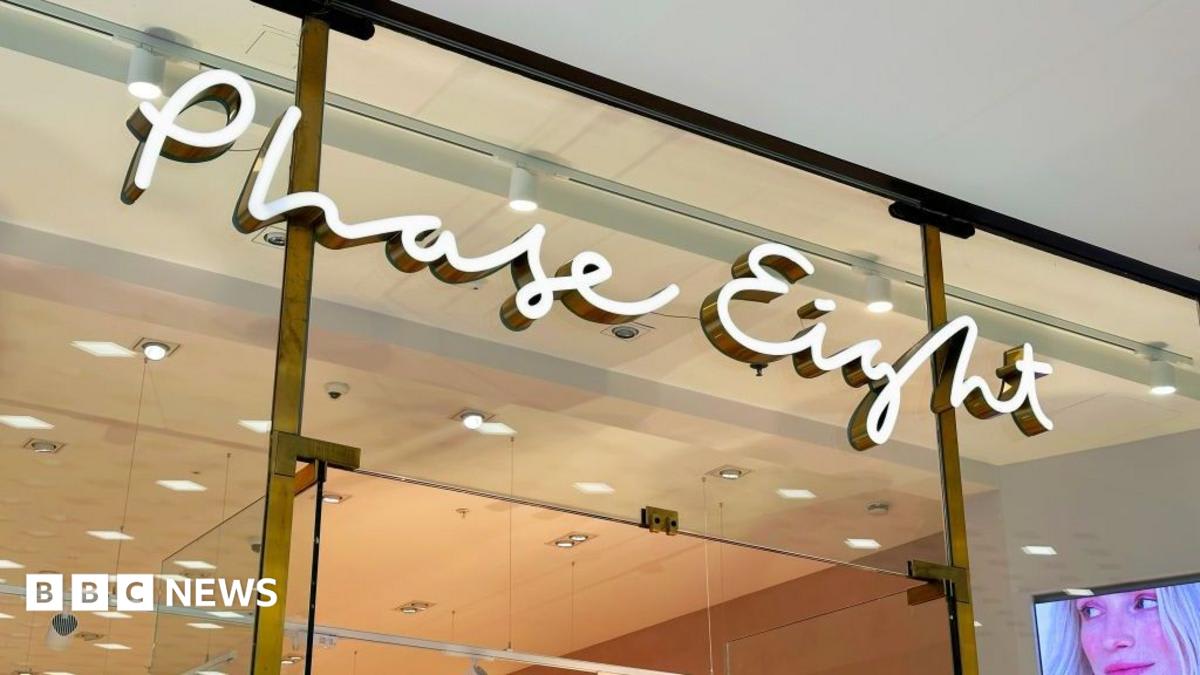
TFG London, owner of Hobbs, Whistles, and Phase Eight, is investigating a cybersecurity incident affecting its IT systems. Simultaneously, H&M is probing separate hacking claims, highlighting growing digital threats in the retail sector.
Retail Giants Face Cyber-Security Crisis
Recent reports indicate that TFG London, the UK arm of the global retail conglomerate The Foschini Group, has confirmed a significant cybersecurity incident affecting its high-end fashion portfolio. The brands impacted include Phase Eight, Hobbs, and Whistles. The company identified the breach on Sunday, leading to immediate disruptions in their IT infrastructure. While physical retail stores remain operational, the digital interface has been compromised, causing limited functionality for customers who rely on these platforms for online shopping.
The Scope of the TFG London Incident
According to official statements, TFG London is currently collaborating with external cybersecurity specialists to contain the breach and assess the extent of the damage. By involving third-party experts, the firm is following industry best practices for incident response, which typically involves forensic analysis to determine whether sensitive customer data was accessed or exfiltrated. The company has publicly apologized for the disruption, acknowledging that the incident has rendered some website capabilities unavailable, though they have not yet disclosed the specific nature of the technical failure.
Concurrent Threats in the Retail Sector
In a concerning parallel development, the Swedish retail giant H&M is simultaneously investigating separate allegations of a cyber-attack. Reports suggest that a notorious hacking group may have targeted the company, adding another layer of complexity to the current retail security landscape. While the incidents at TFG London and H&M are distinct, their proximity in time underscores a broader, systemic vulnerability within the retail sector, where centralized digital systems often serve as lucrative targets for cyber-criminals seeking financial gain or data leverage.
Implications for Digital Retail Integrity
These events highlight the precarious nature of modern digital retail infrastructure. As brands integrate complex IT systems to manage inventory, customer databases, and payment processing, they create larger attack surfaces for malicious actors. The disruption experienced by TFG London brands—Phase Eight, Hobbs, and Whistles—serves as a reminder that even established fashion houses are not immune to the evolving sophistication of cyber-attacks. The reliance on digital platforms means that any downtime directly translates to lost revenue and potential erosion of consumer trust.
Future Trends and Security Preparedness
Looking forward, the retail industry is likely to face increased regulatory scrutiny regarding data protection and incident reporting. Companies are under growing pressure to invest not only in robust firewalls but also in comprehensive disaster recovery plans that allow for seamless operations during a security event. The ability of TFG London to maintain store operations while managing a backend failure is a positive sign of operational resilience, yet the incident serves as a stark warning to the wider market about the necessity of proactive threat hunting and continuous system monitoring.
Conclusion
As investigations continue, the retail sector must grapple with the reality that cyber-security is no longer an optional IT concern but a core business risk. For TFG London, the priority remains the restoration of full service and the maintenance of transparency with their customer base. As the digital and physical realms of retail become increasingly intertwined, the industry must prioritize the hardening of its digital perimeter to prevent future disruptions of this scale.