Opinion: Blog | We All Need A Toilet. But Who Pays The Price For Keeping Them Clean?
Source Entity
NDTV News Search Records Found 1000
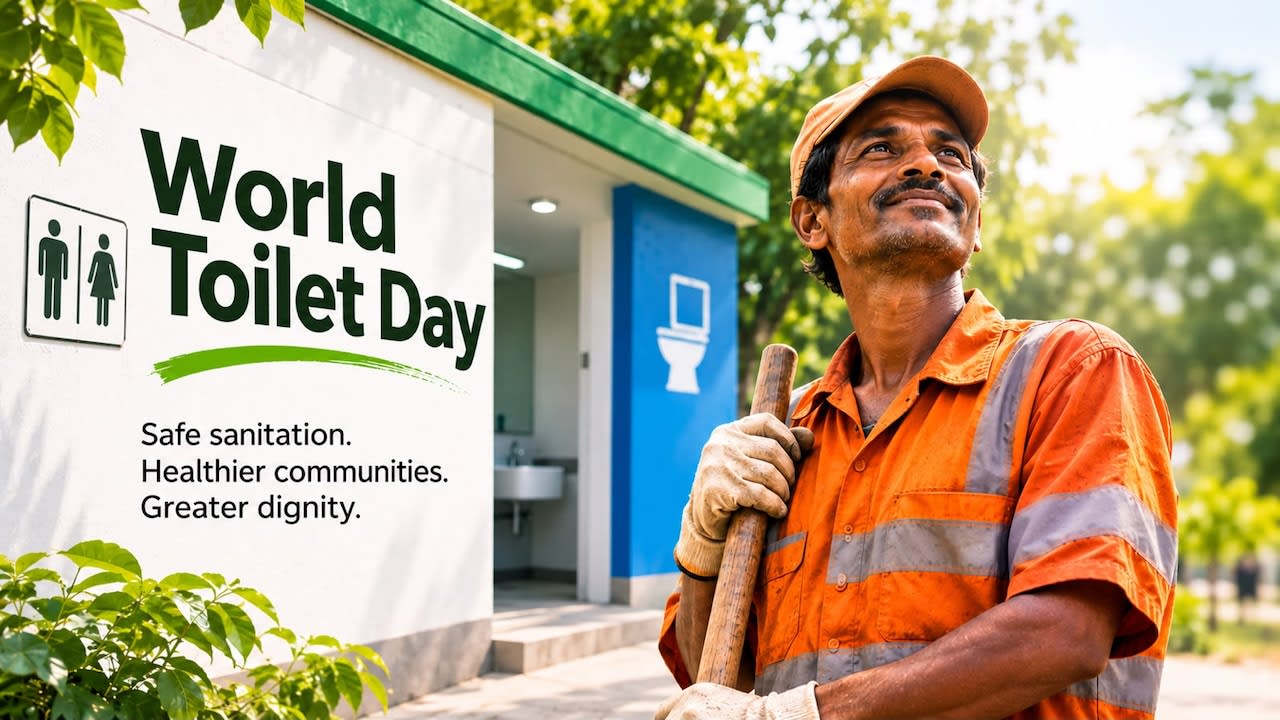
Sanitation workers face significant health risks and social marginalization while performing essential public hygiene services. Addressing this systemic issue requires prioritizing worker safety, improved infrastructure, and sustainable funding models.
The Invisible Burden of Public Sanitation
Access to clean, functioning toilets is a fundamental human requirement, yet the individuals responsible for maintaining this infrastructure remain largely invisible and marginalized. While sanitation is often framed as a public health success story, the reality involves a hidden human cost borne by workers who operate in hazardous conditions with inadequate protection. This disparity highlights a critical failure in how societies value the essential labor that underpins modern hygiene.
The Health and Safety Paradox
The primary concern regarding manual sanitation work is the significant health risk associated with exposure to human waste and toxic chemicals. Without standardized personal protective equipment (PPE) or rigorous training, these workers are frequently exposed to pathogens and respiratory hazards. This occupational hazard is not merely a logistical failure but a systemic one; as long as the maintenance of toilets is treated as an afterthought, the physical wellbeing of the workforce will continue to be compromised.
Economic Marginalization and Social Stigma
Beyond physical dangers, there is a profound social dimension to the sanitation crisis. In many parts of the world, sanitation work is relegated to the most vulnerable socioeconomic groups, reinforcing cycles of poverty and systemic exclusion. The stigma attached to this labor often prevents workers from advocating for better wages or safer conditions, as their role is viewed through a lens of social impurity rather than essential service. This devaluation complicates efforts to professionalize the sector and secure long-term investment.
Infrastructure and Funding Challenges
Public sanitation infrastructure often suffers from a lack of long-term financial planning. While governments and private entities may invest in the construction of facilities, the recurring costs of maintenance are frequently underfunded. This leads to deteriorating infrastructure that requires more intensive and dangerous manual intervention to repair, creating a cycle where workers are forced to compensate for the lack of automated, safe maintenance solutions.
Toward a Sustainable Future
The path forward requires a paradigm shift that integrates sanitation workers into the formal economy with full labor protections and technological support. Future trends must focus on the modernization of waste management systems, shifting away from manual labor toward mechanized solutions that minimize human exposure. Furthermore, public policy must recognize sanitation maintenance as a critical utility, ensuring that dedicated funding is allocated not just for building, but for the sustained, safe operation of these facilities.
Conclusion
Ultimately, the question of who pays the price for our clean toilets is a reflection of our societal priorities. We cannot claim to have achieved universal sanitation if the people responsible for that cleanliness are left behind. By addressing the health, economic, and systemic barriers faced by these workers, we can create a more equitable and hygienic future for all.
Verification Required?