The little holes in your bread are telling you something
Source Entity
Hacker News
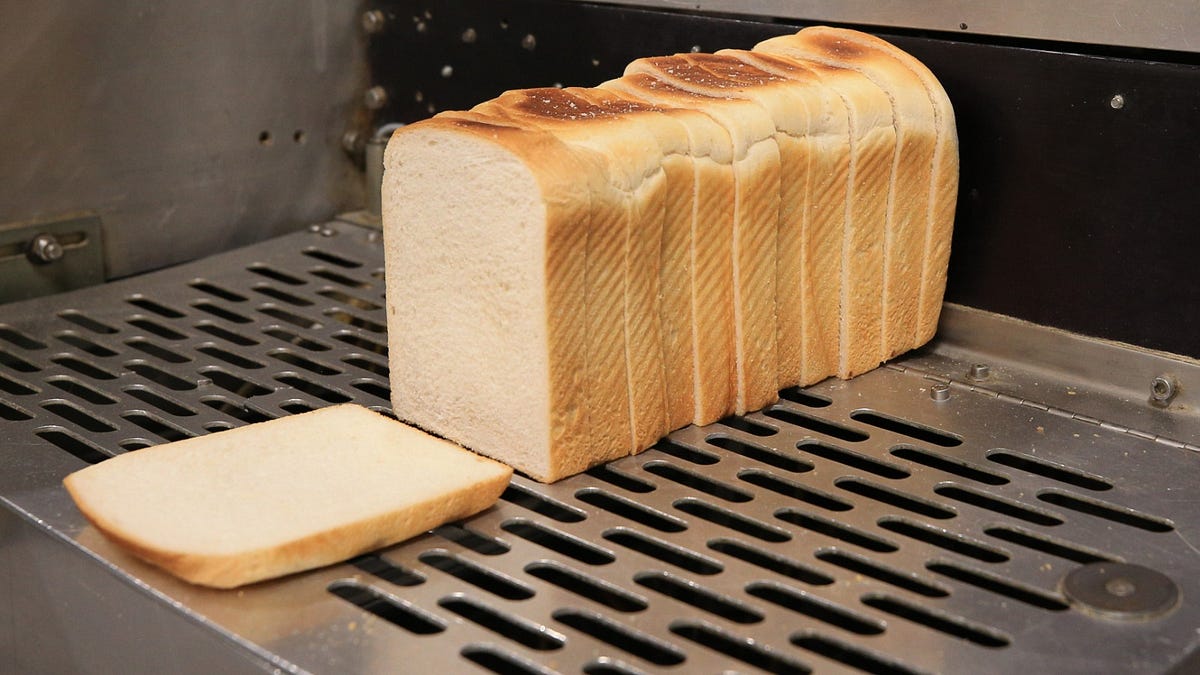
The structural composition of bread, specifically the air pockets known as cells, serves as an unexpected gateway to understanding complex global trade history. Author Edmund Conway uses these everyday loaf characteristics to illustrate broader economic narratives in his new book, Trade World.
The Hidden Economic Narrative in Your Daily Bread
When we consume a sandwich or toast a slice of supermarket bread, we rarely consider the complex history embedded in its structure. The small holes, or 'cells,' that define the crumb of our bread are not merely a byproduct of yeast fermentation; they represent a physical manifestation of industrial processes that have evolved alongside global trade networks. By examining these microscopic features, we can begin to unpack the intricate supply chains that bring basic commodities from farm to table.
The Intersection of Biology and Commerce
While the science of baking focuses on carbon dioxide production and gluten elasticity, the history of bread production is inextricably linked to the history of global trade. The ability to produce uniform, airy bread on a mass scale is a relatively modern phenomenon, made possible by the standardization of agricultural outputs and the development of sophisticated milling and baking technologies. These advancements did not occur in a vacuum but were driven by the shifting demands of international markets and the movement of grain across borders.
Scaling the Industrial Loaf
For centuries, bread was a localized, artisanal product. The transition to the supermarket triangular sandwich represents a massive shift in how humanity manages food security and logistics. The consistency of the 'cells' in a modern loaf signifies a triumph of industrial chemistry and standardized logistics. Every hole in the bread reflects a moment in a global supply chain where inputs—yeast, flour, water, and heat—were optimized for efficiency, cost-effectiveness, and shelf-life stability.
Trade World: Contextualizing the Mundane
Edmund Conway’s recent work, Trade World, seeks to demystify these hidden connections by using everyday objects as entry points for economic analysis. By drawing our attention to the physical characteristics of bread, the author challenges readers to look beyond the surface of their grocery items. This approach highlights how global trade is not an abstract concept restricted to high-finance boardrooms, but a tangible, daily reality that shapes the very food we eat.
Broader Implications of Economic Visibility
Understanding the provenance of our food is essential in an era where global supply chains are increasingly scrutinized for their environmental and ethical impacts. When we look at the structure of a loaf of bread, we are essentially looking at a map of agricultural policy, transport infrastructure, and market demand. Recognizing these connections helps consumers appreciate the fragility and complexity of the systems that sustain modern civilization.
Concluding Thoughts
The humble loaf of bread serves as a profound reminder that the products we consume are the end results of vast, interconnected global systems. Whether one is interested in the biological processes of baking or the macro-economic forces that govern trade, the 'little holes' in our bread offer a unique perspective on the modern world. By bridging the gap between the mundane and the systemic, we gain a deeper appreciation for the intricate, often invisible networks that define our contemporary existence.