I ruined my cats’ toilet time with a motion-activated neon litter box sign
Source Entity
Dominic Preston
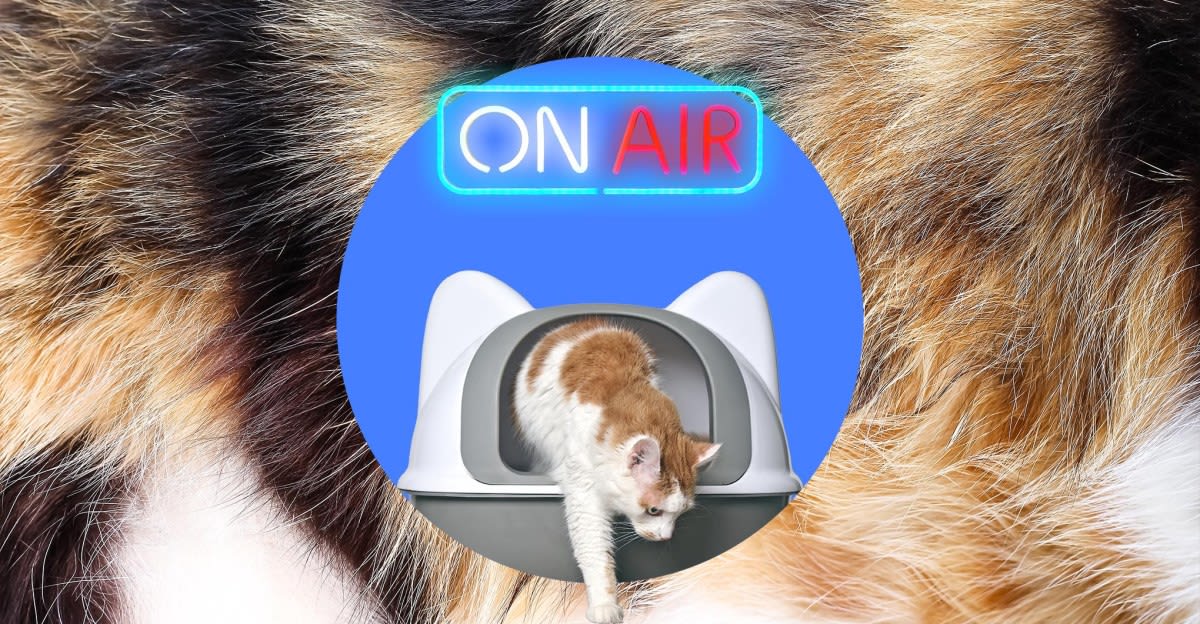
Pet owners are increasingly integrating automated technology into their homes to influence or monitor animal behavior. From motion-activated litter box signage to treat-dispensing musical instruments, these devices highlight the intersection of smart home gadgets and domestic pet life.
The Rise of Domestic Smart Pet Integration
The modern pet-owning household is undergoing a quiet revolution, moving away from purely analog care toward a landscape defined by smart gadgets and automated convenience. As demonstrated by recent personal accounts, owners are experimenting with technology that ranges from the whimsical to the behaviorally conditioning. Whether it is a motion-activated 'On Air' sign placed near a litter box or a treat-dispensing piano, these innovations represent a growing trend in pet-human interaction.
Behavioral Conditioning Through Technology
The use of a piano to dispense treats when a cat interacts with it serves as a fascinating example of operant conditioning. By linking a specific action—pressing a key—to a positive reward, owners are effectively gamifying their pets' environments. This mirrors wider technological trends where artificial intelligence and sensor-based systems are used to modify behavior, though here the application is distinctly domestic and centered on feline enrichment.
The Intersection of Privacy and Automation
Conversely, the installation of motion-activated signage near a litter box highlights the tension between human amusement and pet autonomy. While the cats in question—Noodle and Loaf—may remain indifferent to the 'technological trappings' of their home, the owner's choice to monitor or signal their bathroom habits introduces a layer of intrusive technology into a previously private animal ritual. This suggests that as smart home systems become cheaper and more accessible, they will increasingly permeate the most mundane aspects of pet care.
Historical Context of Pet Tech
Historically, pet technology was limited to basic mechanical feeders or simple toys. Today, the shift toward sensors, motion detection, and automated reward systems marks a significant evolution. These devices allow owners to maintain a connection with their pets even when they are not physically present, or conversely, to observe their pets through a lens of technological mediation. This shift reflects a broader societal move toward 'quantified' living, where every action is tracked, signaled, or incentivized.
Ethical and Future Implications
As we look toward the future, the integration of these devices raises questions about the necessity of such interventions. While some gadgets provide mental stimulation—such as the piano that encourages a cat to compose 'soul music' to cope with stressors like the vacuum cleaner—others serve primarily to entertain the owner. The long-term impact on pet behavior, stress levels, and the human-animal bond remains an area ripe for further exploration, as we continue to blur the lines between traditional pet keeping and the high-tech smart home lifestyle.