Apple CEO Tim Cook shares personal rule for screen time: ‘I get a report every week’
Source Entity
The Indian Express
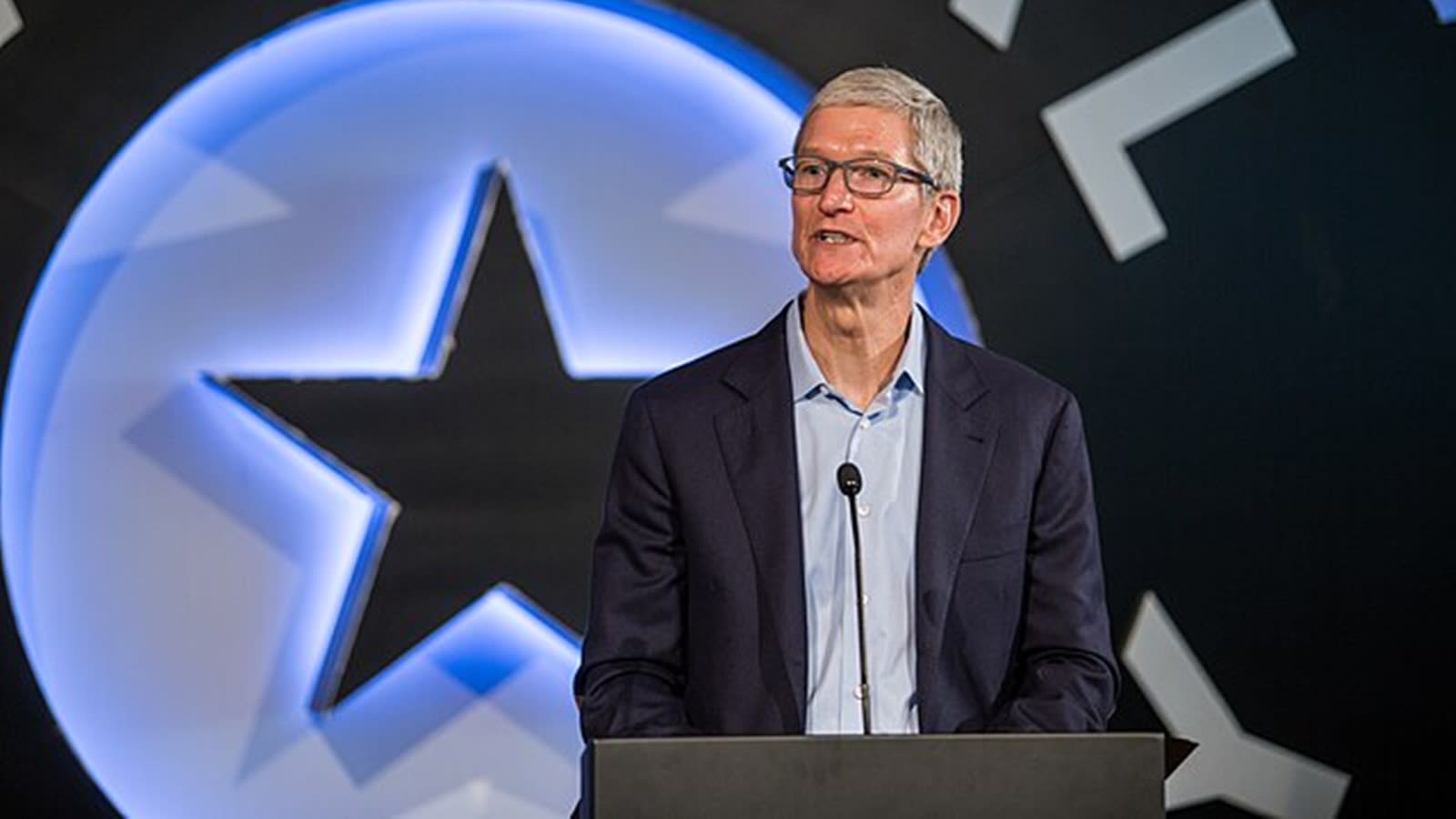
Apple CEO Tim Cook recently shared his personal experience with the Screen Time feature, revealing how the data prompted him to reduce notifications. His comments highlight Apple's design philosophy of creating tools that enhance life rather than foster constant device dependency.
The Paradox of Digital Connectivity: A Look at Tim Cook’s Screen Habits
In an era where digital saturation is the norm, Apple CEO Tim Cook’s recent reflections on his own device usage provide a rare, humanizing look at the executive behind some of the world's most addictive technology. During an exclusive interview with CBS News, Cook admitted that even as the primary architect behind Apple’s 'Screen Time' feature, he was initially unaware of the extent of his own phone usage. This realization serves as a powerful testament to the subtle way modern technology integrates into our daily lives, often bypassing our conscious awareness.
The Data-Driven Awakening
Cook’s decision to utilize the very tools Apple developed for its users underscores a commitment to self-regulation through data. By reviewing his weekly usage reports, Cook identified a pattern of habitual checking that he had not previously recognized. This 'profound' discovery led to an immediate behavioral shift, proving that even for those at the helm of the tech industry, the psychological pull of a smartphone is a hurdle that requires intentional management.
Refining the User Experience
Following his review of the data, Cook took proactive steps to recalibrate his relationship with his device. By aggressively dialing back notifications, he effectively minimized the 'antsy' impulse to check his phone unnecessarily. This action highlights a critical component of digital well-being: the ability to strip away the constant stream of alerts that drive modern digital anxiety. It is a practical application of the very features designed to help users regain control over their attention.
Apple’s Design Philosophy
Beyond personal habit, Cook’s comments reinforce a core pillar of Apple’s branding strategy: the idea that technology should exist to serve the user, not the other way around. By explicitly stating that the phone was made to 'make your life better,' rather than to occupy all of one's time, Cook frames the company’s mission as one of empowerment. This philosophy is increasingly important as regulators and users alike demand more accountability from tech giants regarding the addictive nature of their platforms.
Future Trends in Digital Well-being
As we look forward, the trend of 'digital minimalism' is likely to continue growing, with tech leaders increasingly advocating for more conscious interaction with hardware. Cook’s transparency suggests that the future of mobile design will focus less on raw engagement metrics and more on quality-of-life improvements. By normalizing the act of 'dialing back' usage, industry leaders are setting a precedent that mindful consumption is not just a personal choice, but a necessary component of modern digital literacy.
Conclusion
Tim Cook’s admission serves as a bridge between the creator and the consumer, highlighting that the challenges of the digital age are universal. Whether one is a CEO or a casual user, the struggle to balance connectivity with presence is constant. Ultimately, his approach—using data to drive intentionality—offers a blueprint for how we might all better navigate our increasingly digital lives.