New Apple CEO John Ternus’s first big challenge: Leading when his old boss is still in the building
Source Entity
Aditi Shrikant
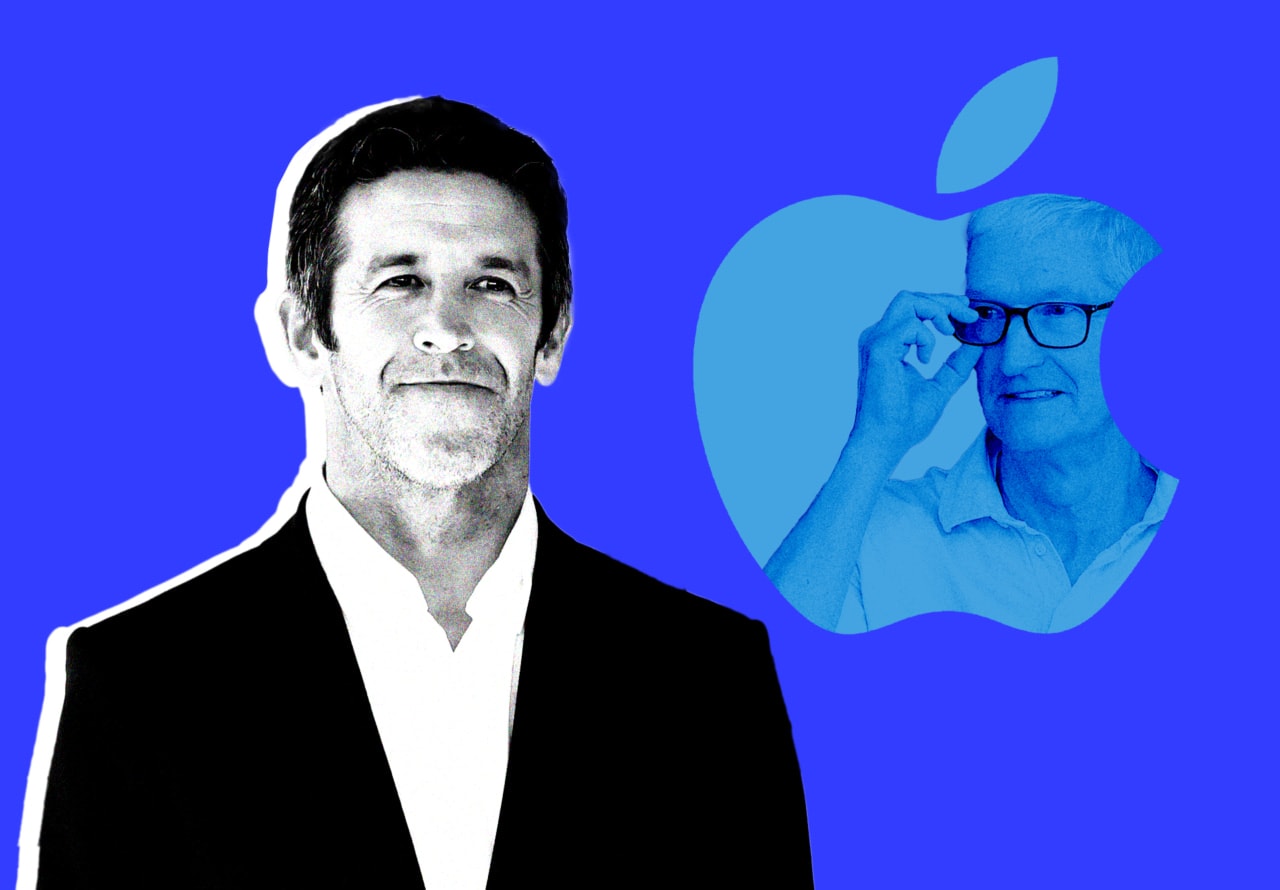
Tim Cook has officially stepped down as Apple CEO after a 15-year tenure, transitioning to the role of executive chairman. He is succeeded by hardware leader John Ternus, who now faces challenges involving AI integration and global supply chain complexities.
The End of an Era: Tim Cook Steps Down
After a transformative 15-year tenure that began in 2011, Tim Cook has officially stepped down as the Chief Executive Officer of Apple. Taking the reins shortly before the passing of co-founder Steve Jobs, Cook inherited a company defined by the rapid success of the Mac, iPod, and iPhone. His departure marks a significant turning point for one of the world's most valuable corporations, as he transitions from the CEO role to serve as the executive chairman on Apple's board.
A Legacy of Culture and Innovation
In a final memo to employees, Cook reflected on the unique corporate culture that underpinned his leadership. He emphasized that Apple remains "proof that culture triumphs over everything," highlighting a shared organizational belief that their products carry the responsibility to leave the world better than they found it. By paying tribute to Steve Jobs and praising his staff as an "extraordinary team," Cook signaled a focus on the human elements that sustained Apple's growth during his decade-and-a-half of stewardship.
The Transition to John Ternus
John Ternus, formerly the head of Apple's hardware division, has officially assumed the role of CEO. Ternus inherits a company that has evolved significantly under Cook’s guidance, expanding beyond hardware into a robust ecosystem of services and digital products. His appointment marks the first leadership change at the top of the company since 2011, signaling a new chapter for a tech giant that must now reconcile its legacy with the demands of a rapidly changing market.
Navigating the AI Frontier
The new leadership faces a complex landscape dominated by the rise of artificial intelligence. Ternus is tasked with steering Apple through an era defined by high demand for AI-integrated features, which has placed immense pressure on the global supply chain, particularly regarding the availability of RAM and other critical hardware components. Cook’s final public advice—to "Use AI for Humanity"—suggests the ethical and strategic framework that the company is expected to maintain under its new leadership.
Economic and Geopolitical Challenges
Beyond technological innovation, Ternus must navigate an increasingly complicated geopolitical and economic environment. The company’s global reach makes it susceptible to shifting international trade policies and market volatility. Furthermore, Ternus assumes this role without many of the veteran executives who worked alongside both Cook and Jobs, placing the burden of cultural continuity and strategic vision squarely on his shoulders.
Conclusion: A Future in Transition
While Tim Cook remains involved as executive chairman, his departure from the CEO office signifies a major shift in corporate governance. Apple is now tasked with balancing its history of revolutionary consumer electronics with the urgent need for AI adaptation. As John Ternus takes the helm, the industry will be watching closely to see how the company maintains its market dominance while navigating a world that demands more from its technology than ever before.
Multiple Citing Sources
Verification Required?