Let Tom Hiddleston be your guide to Pompeii's final day
Source Entity
Jennifer Ouellette
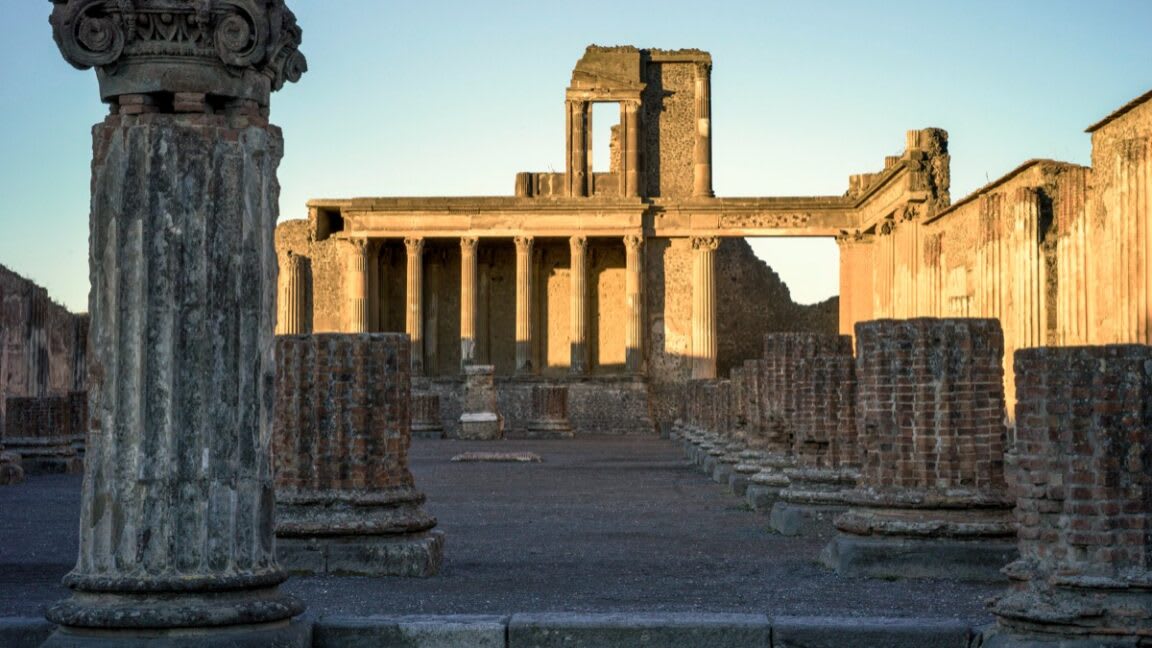
National Geographic's new three-part docuseries, Pompeii: Out of Time, features Tom Hiddleston as a 'time detective' exploring the city's final 24 hours. The project leverages Hiddleston's classics background and a creative connection from the Marvel series Loki.
The Intersection of History and Modern Narrative
National Geographic’s latest docuseries, Pompeii: Out of Time, represents a sophisticated shift in how historical documentaries engage modern audiences. By tasking actor Tom Hiddleston with the role of a "time detective," the production moves beyond traditional dry academic exposition. Instead, it fuses rigorous historical fact with imaginative storytelling to reconstruct the final 24 hours of Pompeii and Herculaneum before the catastrophic eruption of Mount Vesuvius in 79 CE.
A Foundation of Academic and Creative Expertise
The choice of Tom Hiddleston is not merely a celebrity casting decision; it is rooted in both professional experience and personal aptitude. Hiddleston, who studied classics at Cambridge University, brings a genuine scholarly foundation to the role. This depth allows the series to bridge the gap between high-level archaeological research and the human stories of the thousands who perished under the volcanic debris of molten rock, pumice, and ash.
The Marvel Connection: A Catalyst for Production
Interestingly, the genesis of this project traces back to the Marvel Cinematic Universe. Executive producer Kevin Wright, who previously collaborated with Hiddleston on the Disney+ series Loki, saw an opportunity to expand on a narrative beat from the show. In Loki, the protagonist travels through time to visit the doomed city, sparking a creative curiosity that eventually matured into this comprehensive three-part exploration of the disaster.
Why Pompeii Remains a Cultural Touchstone
Mount Vesuvius’s eruption remains one of the most significant natural disasters in human history, leaving an indelible mark on the collective consciousness. While the story has been told through countless documentaries and even popular music, Out of Time aims to differentiate itself by focusing on the intimate, chronological progression of the city’s final day. By isolating the 24-hour window, the series provides a granular view of the panic, loss, and sudden stillness that defined the event.
Future Trends in Historical Documentaries
This series signals a broader trend in the entertainment industry: the "docu-narrative" hybrid. By utilizing high-profile talent who possess authentic academic backgrounds, networks can attract broader demographics to educational content. As viewers increasingly seek out "edutainment" that respects their intelligence while providing a cinematic experience, we can expect more collaborations that leverage existing pop-culture intellectual property to drive interest in classical history and archaeology.
Conclusion
Pompeii: Out of Time serves as a poignant reminder of our obsession with the fragility of civilization. By combining the star power of Tom Hiddleston with the production expertise behind the Marvel franchise, National Geographic has created a vessel that makes the distant history of 79 CE feel immediate and urgent. It is a testament to how storytelling can preserve the memory of the past, ensuring the victims of Vesuvius are remembered as more than just archaeological artifacts.