Topgolf saved over $11.3 million after leaving VMware
Source Entity
Scharon Harding
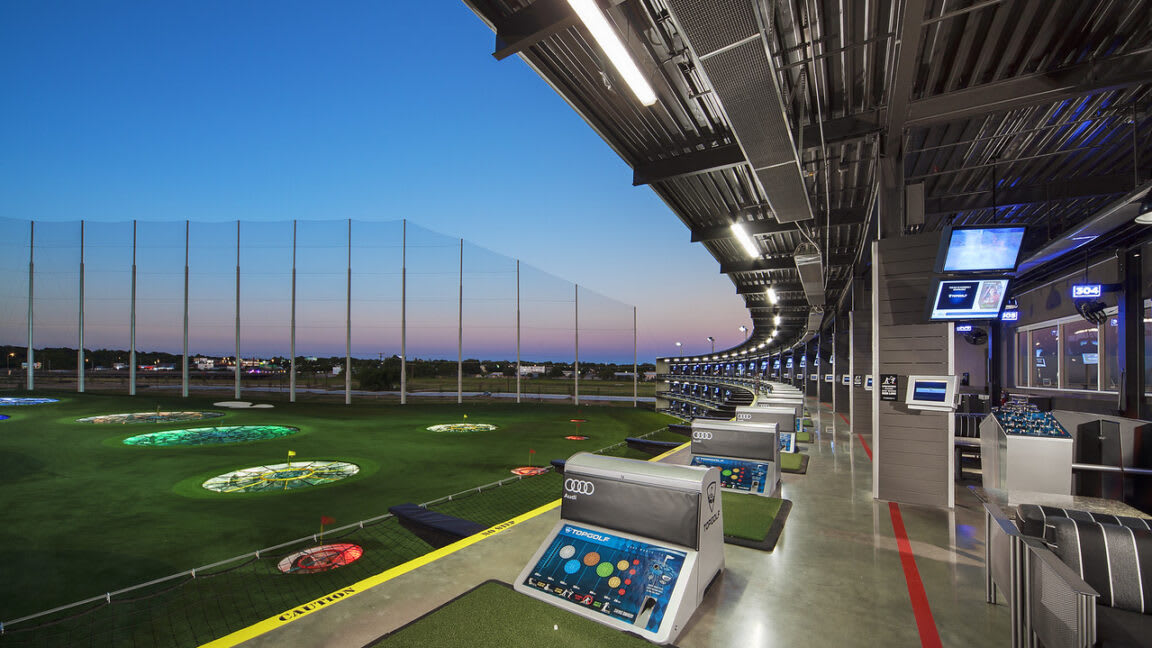
Topgolf successfully migrated 12,000 virtual machines to VergeOS to avoid a 400% cost increase following Broadcom's acquisition of VMware. This strategic shift saved the company over $11.3 million by moving away from long-standing VMware infrastructure.
The Strategic Pivot: Topgolf’s Migration from VMware
Topgolf, the global sports entertainment leader known for its high-tech driving ranges and interactive shot-tracking systems, has executed a significant infrastructure transition. By migrating 12,000 virtual machines (VMs) to VergeIO’s VergeOS, the company successfully avoided a projected 400 percent increase in operating costs following Broadcom’s acquisition of VMware. This move underscores a growing trend among large-scale enterprises that are re-evaluating their virtualization dependencies in light of recent industry consolidation.
A Deep-Rooted Partnership Dissolved
For decades, Topgolf functioned as an exemplar of the VMware ecosystem. Scott Forehand, Topgolf’s global infrastructure manager, noted that the company’s relationship with VMware “ran very deep.” This was not merely a superficial software adoption; Topgolf had integrated VMware’s vSphere and ESXi platforms into their foundational operations for years. By 2017, they had further deepened this reliance by adopting VxRail, a hyperconverged infrastructure (HCI) solution co-engineered by VMware and Dell, cementing their position as a core VMware customer.
The Catalyst: Broadcom’s Pricing Shift
The decision to migrate was prompted by the drastic restructuring of VMware’s pricing models following its acquisition by Broadcom. Facing a potential 400 percent cost surge, Topgolf’s leadership faced a critical financial inflection point. The choice to migrate 12,000 VMs is a massive technical undertaking, yet the financial necessity—resulting in over $11.3 million in savings—justified the complexity of the migration to VergeOS.
Operational Implications for Scale
Topgolf operates over 100 locations worldwide, each requiring low-latency, real-time digital analytics to support their unique interactive golf games. The infrastructure supporting these venues is mission-critical; any downtime during a migration could have severely impacted the customer experience. The successful transition to VergeOS demonstrates that complex, legacy-dependent environments can be migrated to alternative virtualization platforms when the economic incentives are sufficiently compelling.
Industry Trends and Future Outlook
This transition serves as a bellwether for the broader IT landscape. As software vendors undergo major acquisitions and pricing shifts, large enterprises are increasingly willing to sacrifice long-term legacy vendor relationships to maintain fiscal sustainability. We can expect to see more companies auditing their hyperconverged infrastructure footprints and evaluating alternatives to VMware to prevent similar budgetary shocks. Topgolf’s success story provides a blueprint for how large organizations can navigate vendor lock-in through disciplined, cost-focused technical restructuring.