Tories pledge to cut benefits for children with 'milder cases' of ADHD
Source Entity
BBC News
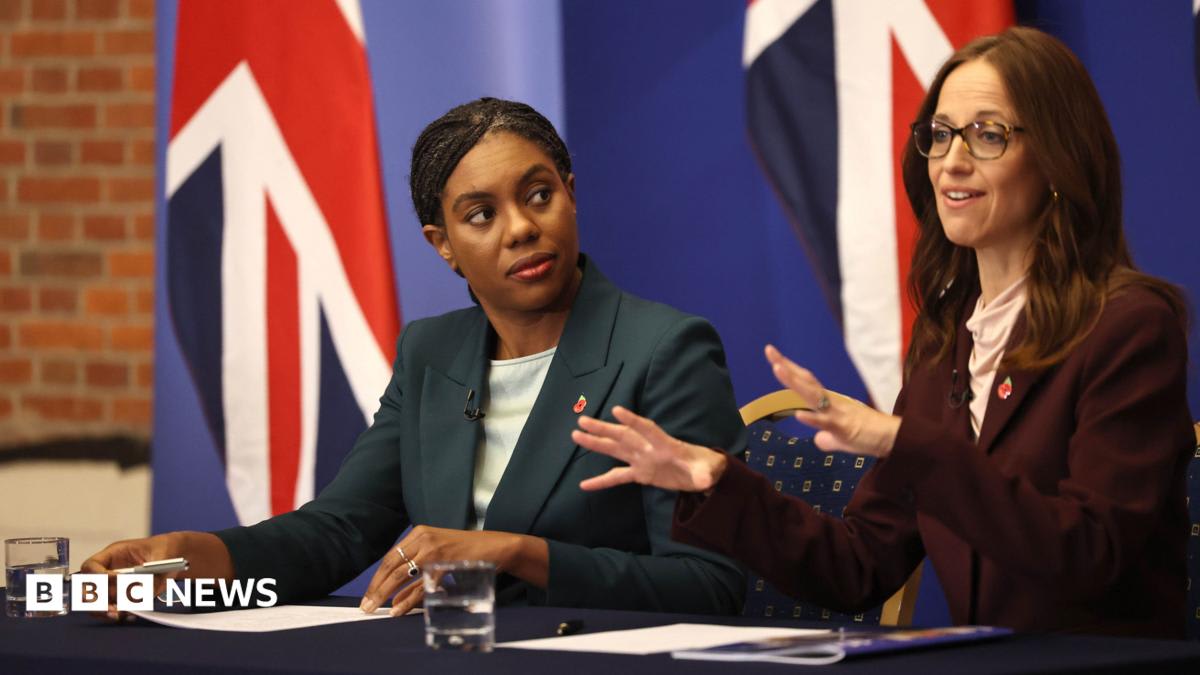
The Conservative Party has proposed cutting Disability Living Allowance payments for children with milder ADHD and learning difficulties to save £2.8bn annually. Labour has strongly opposed the plan, warning it will exacerbate hardship and increase long-term state costs.
The Conservative Welfare Reform Proposal
The Conservative Party has unveiled a significant proposal aimed at reforming the welfare system by targeting Disability Living Allowance (DLA) payments for children. The party intends to save £2.8bn annually by restricting access to these funds for families of children diagnosed with "milder cases" of ADHD, behavioral disorders, or learning difficulties. This measure is part of a broader fiscal strategy that seeks to reduce the overall welfare budget by £36bn.
Rationale and Political Justification
Shadow work and pensions secretary Helen Whately has been the primary voice behind this policy shift. Her argument centers on the belief that the current welfare infrastructure inadvertently encourages dependency. Whately characterized the existing system as a "conveyor belt" that risks directing children toward a "lifetime on benefits." By tightening eligibility criteria, the Conservatives aim to intervene in this cycle, arguing that the state should focus resources more narrowly on those with the most severe conditions rather than providing broad-based support.
The Mechanics of Current Support
Currently, DLA for children serves as a vital financial lifeline for many families, providing weekly payments ranging from £30.30 to £194.60. These funds are designed to assist parents in managing the often significant additional costs associated with raising a child with a disability. These expenses can include specialized equipment, therapy, or additional childcare needs that are not covered by standard public services. The proposed reduction would effectively remove this financial cushion for a large demographic of families currently classified under the "milder" threshold.
Opposition and Socioeconomic Critique
The Labour Party has mounted a fierce critique of the proposal, framing it as a direct threat to vulnerable households. Their response characterizes the Conservative plan as a "charter for homelessness and human misery." Labour argues that withdrawing this support will not only push families into immediate financial hardship but will ultimately prove counterproductive for the state. They contend that the removal of these benefits will shift the burden onto other areas of the public sector, potentially increasing long-term costs through increased social service intervention and decreased quality of life for the children affected.
Broader Implications for Welfare Policy
The debate highlights a fundamental clash in political philosophy regarding the role of the state in supporting citizens with developmental and behavioral challenges. While the Conservatives are emphasizing fiscal discipline and the prevention of long-term dependency, critics argue that the policy fails to account for the cumulative impact of "milder" conditions on household stability. As the party seeks to carve out £36bn from the welfare budget, this specific policy regarding DLA serves as a litmus test for how the UK's political landscape views the intersection of disability rights and austerity measures.
Future Trends in Welfare Reform
Looking forward, this policy proposal suggests a trend toward more stringent medical and behavioral assessments for welfare eligibility. If implemented, it could establish a precedent for how the government categorizes developmental disorders, moving away from broad support toward a more clinical, tiered approach. This shift will likely remain a central point of contention in upcoming parliamentary debates, as the government balances the mandate for fiscal consolidation against the societal responsibility of supporting children with complex needs.