Tourists provoke wild tusker in Idukki
Source Entity
India Latest News: Top National Headlines Today & Breaking News | The Hindu
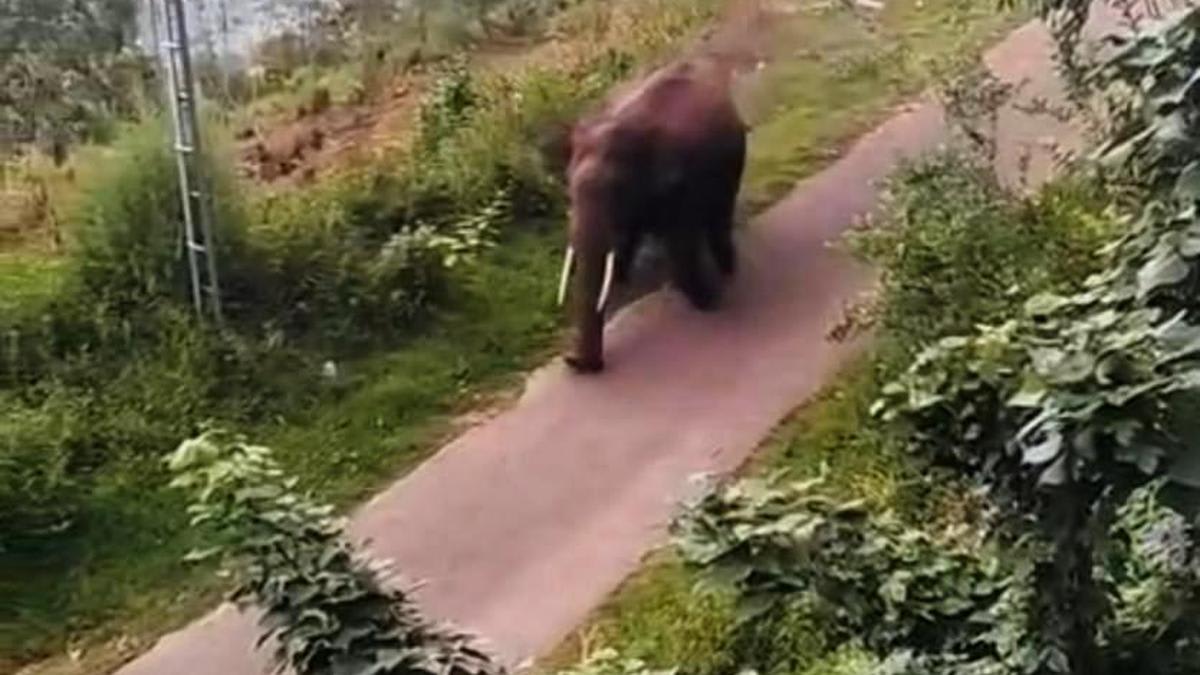
Three tourists from Tamil Nadu narrowly escaped a wild elephant charge in Idukki after provoking the animal for photos. The Kerala Forest Department has launched an inquiry into the incident following viral video evidence.
Dangerous Encounters: The Rise of Wildlife Harassment in Idukki
Recent reports from the Kanthalloor region of Idukki highlight a growing and perilous trend: tourists actively endangering themselves and local wildlife by provoking animals for social media content. The incident, involving three youths from Tiruchirappalli, Tamil Nadu, serves as a stark reminder of the fragile boundary between human recreation and the natural habitat of wild species. By shouting at a wild tusker to capture photographs, these individuals not only risked their own lives but also disrupted the natural behavior of a protected animal.
The Anatomy of the Incident
According to reports, the confrontation occurred on Thursday evening near Sivanpanthi. The youths were positioned on a narrow road, a location that offered no immediate escape route when the tusker, reportedly roaming a nearby farm, turned aggressive. The transition from a passive sighting to a life-threatening charge was a direct consequence of the tourists' vocal provocation. While the trio managed to escape unharmed, the incident underscores the unpredictable nature of wild animals when cornered or harassed by human presence.
Accountability and Resort Responsibility
Kanthalloor Forest Range Officer Anandan has confirmed that the Forest Department has initiated a formal inquiry into the matter. A critical component of this investigation is the role of the nearby resort where the tourists were staying. The proximity of such accommodations to wildlife corridors raises questions about the briefing processes for visitors. If tourists are not adequately warned about the dangers of the local ecosystem, the burden of responsibility may extend beyond the individuals to the hospitality providers operating in sensitive zones.
The Viral Culture vs. Safety Protocols
Social media has become a double-edged sword for wildlife conservation. While viral videos help document illegal or reckless behavior, they also highlight a culture where 'getting the shot' is prioritized over safety and ethical conduct. The fact that this incident was captured on video and subsequently went viral demonstrates the pervasive nature of this behavior. Tourists often underestimate the speed and power of a tusker, forgetting that these animals are not attractions but apex inhabitants of the forest fringe.
Broader Implications for Wildlife Management
This event is not an isolated occurrence but part of a wider pattern of human-wildlife conflict in Kerala's high-range districts. As tourism expands into previously undisturbed pockets of the Western Ghats, the frequency of such encounters is likely to rise. Future trends suggest that the Forest Department may need to implement stricter surveillance and harsher penalties for those who harass wildlife. Without clear deterrents, the risk to both humans and the animals—which are often labeled as 'problematic' after being provoked—will continue to escalate.
Conclusion: A Call for Responsible Tourism
Ultimately, the narrow escape of these three youths should serve as a wake-up call for the tourism industry in Idukki. While the Forest Department has yet to register a formal case, the ongoing inquiry signals a zero-tolerance approach toward such endangerment. Moving forward, a combination of better signage, mandatory safety briefings at resorts, and strict enforcement of forest department guidelines is essential to prevent a tragedy that could result in loss of life.
Verification Required?