Borderlands Mexico: Toyota bets big on Texas, moves Tacoma line to San Antonio
Source Entity
Yahoo Finance
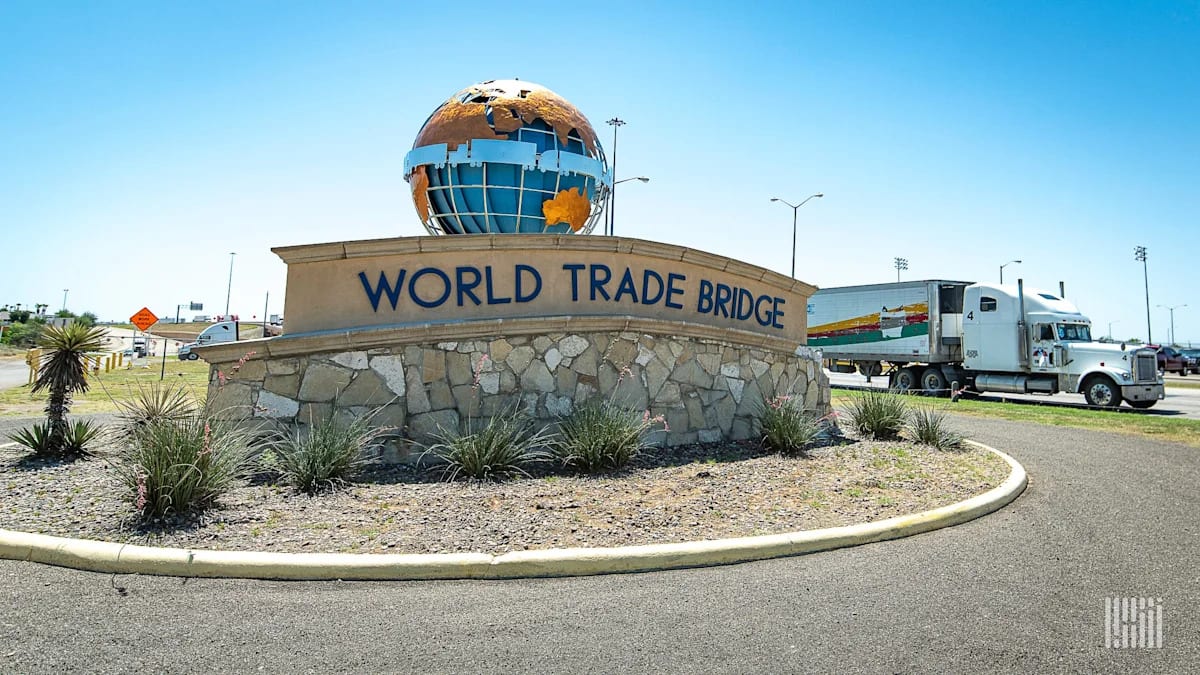
Borderlands Mexico is a weekly rundown of developments in the world of United States-Mexico cross-border trucking and trade. This week in Borderlands Mexico: Toyota bets big on Texas, moves Tacoma lin...
Toyota's Strategic Pivot: The Tacoma Move to San Antonio
Toyota's decision to move its Tacoma production line to San Antonio, Texas, represents a calculated strategic bet on the logistical synergy between the United States and Mexico. By centering production in Texas, Toyota is not merely shifting a factory line but is optimizing its entire North American operational footprint. This move is particularly significant given the context of 'Borderlands Mexico,' highlighting the critical intersection of cross-border trucking, trade efficiency, and regional manufacturing stability.
Optimizing the Cross-Border Supply Chain
San Antonio serves as a pivotal gateway for trade between the U.S. and Mexico. By relocating the Tacoma line here, Toyota can significantly reduce the lead time and transportation costs associated with sourcing components from Mexican suppliers. The 'Borderlands' dynamic implies a heavy reliance on just-in-time (JIT) manufacturing; by shortening the physical distance between the Mexican border and the assembly line, Toyota mitigates the risks of border congestion and logistics bottlenecks that have plagued the automotive industry in recent years. This proximity allows for a more agile response to supply chain disruptions, ensuring that the high-demand Tacoma remains in steady production.
USMCA Compliance and Trade Strategy
From a regulatory perspective, this move is likely influenced by the United States-Mexico-Canada Agreement (USMCA). The USMCA mandates strict Regional Value Content (RVC) requirements to qualify for zero-tariff treatment, requiring a significant percentage of a vehicle's components to be produced within North America. By integrating production more tightly within the Texas-Mexico corridor, Toyota can more easily track and verify the origin of parts, ensuring compliance with these trade rules. This strategic alignment reduces the risk of costly tariffs and leverages the economic benefits of the integrated North American automotive market.
Strengthening the Texas Automotive Hub
Texas has rapidly evolved into a global epicenter for automotive manufacturing, attracting giants like Tesla and expanding existing footprints for Toyota. The relocation of the Tacoma line further solidifies San Antonio's role as a primary industrial hub. This creates a 'cluster effect,' where a concentration of skilled labor, specialized vendors, and infrastructure develops to support the industry. For Toyota, this means access to a workforce already attuned to automotive standards and a regional government that provides supportive incentives for industrial expansion, thereby lowering the long-term operational overhead.
Market Proximity and the Tacoma's Value
The Toyota Tacoma is one of the most profitable and popular mid-size trucks in the North American market. Moving its production to the heart of the U.S. places the vehicle closer to its primary consumer base. Reducing the distance from the factory to the dealership decreases shipping costs and delivery times, providing a competitive edge over rivals. In a market where truck buyers value reliability and availability, the ability to streamline the path from the San Antonio plant to the consumer is a significant commercial advantage.
Long-term Implications for Regional Trade
Looking ahead, this move signals a broader trend toward 'nearshoring,' where companies bring production closer to their end markets to avoid the volatility of overseas shipping. Toyota's bet on Texas suggests that the company views the U.S.-Mexico trade corridor as the most stable and efficient route for its future growth. As the industry pivots toward electrification, the infrastructure established for the Tacoma in San Antonio will likely serve as a blueprint for future EV truck production, utilizing the same cross-border logistics networks to source battery materials and components.
Conclusion
In summary, Toyota's relocation of the Tacoma line to San Antonio is a masterclass in logistical optimization. By anchoring its production in a region that bridges the gap between Mexican manufacturing prowess and American consumer demand, Toyota is insulating itself from global supply chain shocks and maximizing its trade advantages under the USMCA. This move not only secures the future of one of its most successful models but also reinforces the strategic importance of the Texas-Mexico borderlands in the global automotive economy.