Video: Train Halts To Allow Elephant Herd To Cross Railway Track In Assam
Source Entity
NDTV News Search Records Found 1000
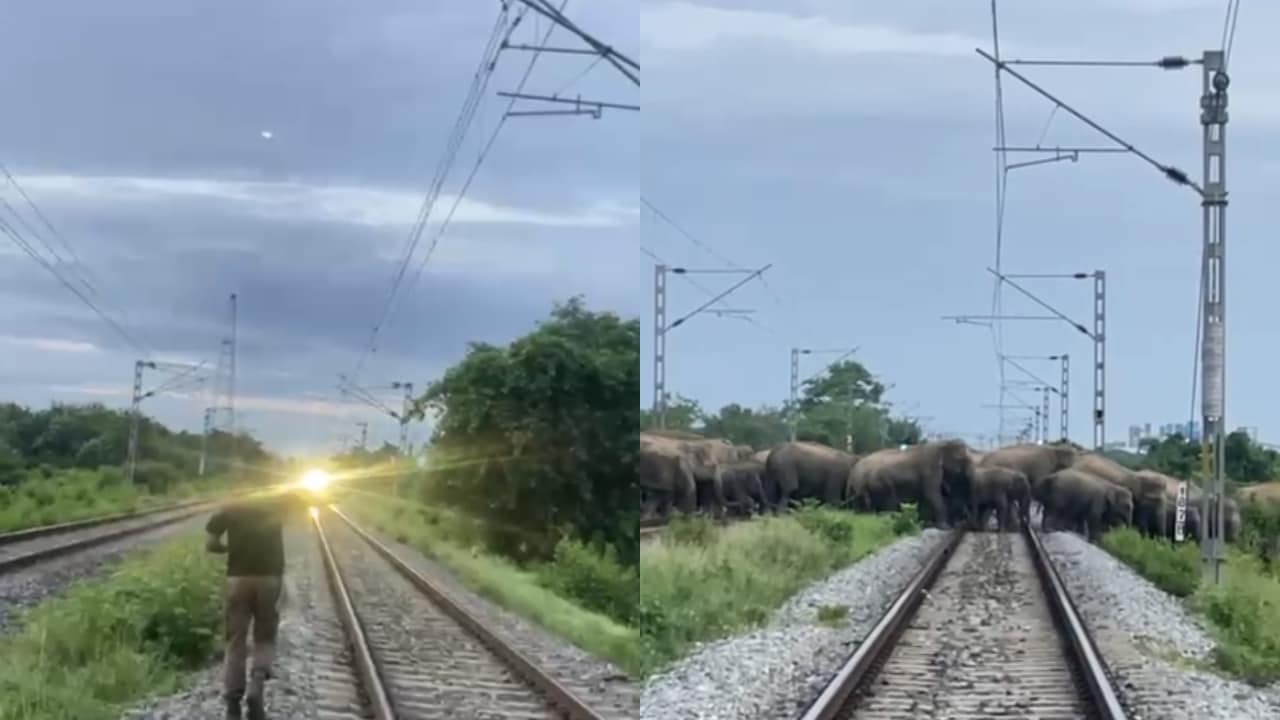
A train in Assam was temporarily halted to allow a herd of elephants to cross the tracks safely. The successful coordination between forest officials and railway control prevented a potential wildlife tragedy.
Wildlife Conservation and Rail Safety in Assam
A Coordinated Effort for Conservation
In a heartening display of environmental stewardship, a train in Assam was recently halted to permit a herd of elephants to traverse the railway tracks safely. This incident, managed through the direct intervention of Assam Forest staff and railway control, highlights the critical necessity of real-time communication between infrastructure operators and conservation agencies to mitigate human-wildlife conflict.
The Challenge of Human-Elephant Conflict
Assam serves as a primary habitat for the Asian elephant, yet its geography is increasingly fragmented by rail corridors. Trains traversing these regions often cut through traditional migratory routes, creating high-risk zones for elephant mortality. The successful outcome of this specific event serves as a model for how proactive monitoring can effectively prevent what historically has been a frequent cause of wildlife fatalities in the region.
Operational Protocols and Safety
The operation underscore the importance of established protocols between the Indian Railways and the Forest Department. By integrating forest monitoring data with railway traffic control, authorities can implement 'slow-down' or 'halt' orders when elephant presence is detected near track corridors. This synergy is not merely a logistical convenience but a vital safety measure that protects both the animals and the passengers on board.
Broader Implications for Infrastructure
This event brings to light the broader challenge of balancing developmental infrastructure with ecological preservation. As India continues to expand its rail network, the implementation of wildlife crossings and advanced sensor-based warning systems becomes increasingly essential. The collaborative effort seen in Assam reinforces the argument that infrastructure projects must prioritize environmental impact assessments and sustainable management practices.
Long-Term Conservation Trends
Looking forward, the trend toward digitizing forest monitoring—such as the use of thermal cameras and real-time tracking—could further reduce the burden on manual intervention. By automating the detection of elephant herds near tracks, railway authorities can make more informed decisions, ensuring that the coexistence of wildlife and transport networks remains viable in the long term.
Conclusion
The successful crossing of the elephant herd in Assam is a testament to the effectiveness of vigilant forest management and responsive railway administration. By prioritizing the safety of migratory wildlife, local authorities have demonstrated that progress and conservation are not mutually exclusive, provided that communication and safety protocols remain at the forefront of operational strategy.
Verification Required?