Treasury's upsized buybacks may complicate Fed's monetary policy work
Source Entity
Yahoo Finance
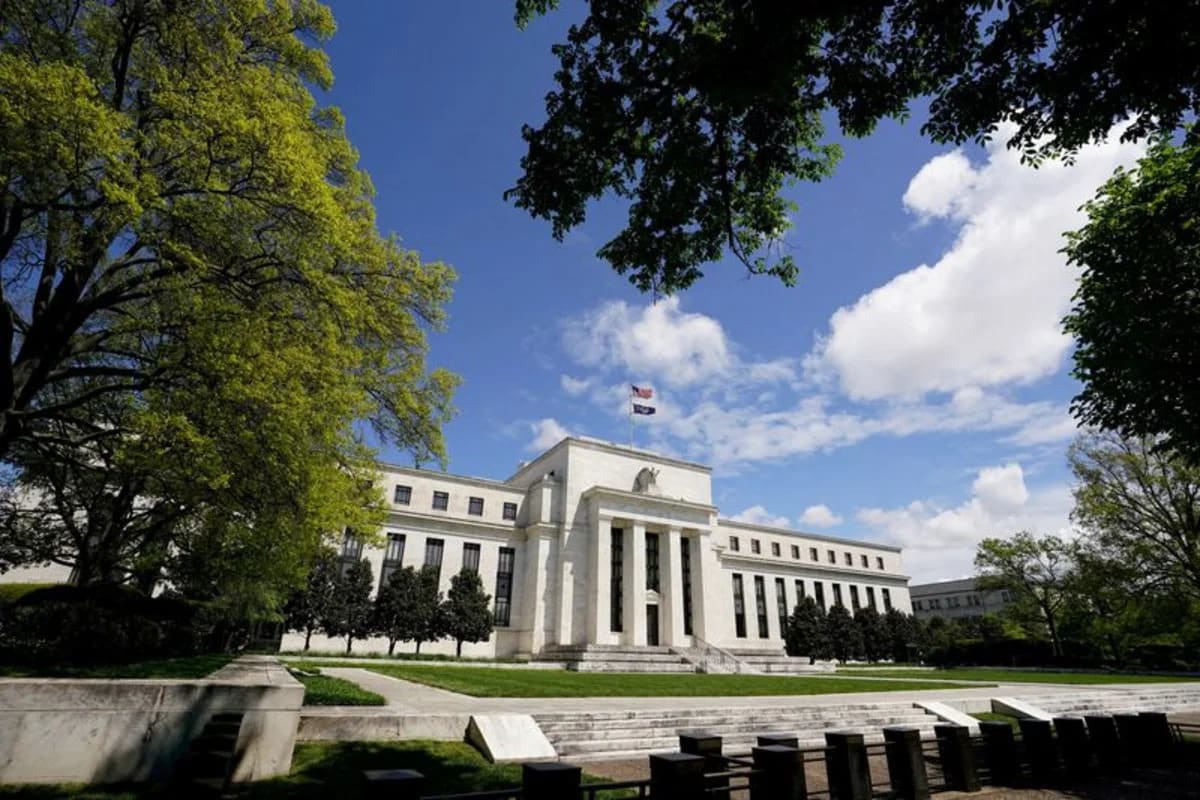
The U.S. Treasury has doubled its long-dated debt buybacks to $4 billion to stabilize markets amid rising yields and record $40 trillion sovereign debt. This move aims to counter fiscal concerns, though analysts warn it may complicate the Federal Reserve's inflation-targeting mandate.
Treasury Market Intervention and the Challenge of Fiscal Stability
Recent developments in the U.S. financial landscape have highlighted a complex interplay between fiscal strategy and monetary policy. As the U.S. national debt reached a record $40 trillion, the Treasury Department, led by Secretary Scott Bessent, announced a strategic decision to double its buyback operations for 10- to 30-year Treasury securities to $4 billion per operation. This intervention is a direct response to a volatile bond market where long-dated borrowing costs have surged, driven by intense capital competition from the AI data-center sector and deepening concerns regarding the government’s fiscal deficit.
The Intersection of Debt and Monetary Policy
The decision to increase buybacks underscores the friction between the Treasury’s need to manage borrowing costs and the Federal Reserve’s core mandate of maintaining price stability. While the Treasury aims to calm markets and ensure orderly debt issuance, critics argue that such interventions may inadvertently conflict with the Federal Reserve's restrictive stance. By injecting liquidity into the long end of the curve, the Treasury may be perceived as working at cross-purposes with the central bank’s efforts to curb inflation, potentially complicating the Fed's broader economic management goals.
Market Volatility and Geopolitical Pressures
Market anxiety has been further exacerbated by external geopolitical factors. Fears of an escalating conflict in the Middle East have stoked inflation concerns, contributing to a period where 30-year Treasury yields touched levels not seen since 2007. This environment has weighed heavily on equity markets, including the Nasdaq, which experienced a notable decline. Furthermore, the closure of the Strait of Hormuz and resulting spikes in oil prices have added an inflationary premium to the broader economic outlook, limiting the effectiveness of traditional market cooling mechanisms.
The 'Debasement Trade' and Currency Impacts
The Treasury’s buyback announcement triggered an immediate reaction in the currency markets, with the U.S. dollar falling to a three-month low against the euro before paring losses. Traders have interpreted these fiscal maneuvers as signs of a worsening fiscal picture, leading to a surge in interest for alternative assets like gold and bitcoin. This shift, often termed the "debasement trade," reflects investor skepticism regarding the long-term sustainability of current fiscal trajectories and the potential for persistent inflationary pressures.
Future Outlook and Policy Implications
Looking ahead, the tension between managing record-high sovereign debt and maintaining market confidence remains a critical challenge. The Treasury's reliance on buybacks to manage yield volatility highlights the fragility of the current market structure. If fiscal deficits continue to expand alongside private sector demand for capital—particularly from the energy-intensive AI sector—the Fed may find it increasingly difficult to balance its dual mandate. Investors and policymakers alike will likely remain focused on how these interventions influence long-term yields and whether they can effectively stabilize the market without fueling further inflationary expectations.