Treasury yields dip as Wall Street awaits wholesale inflation data
Source Entity
US Top News and Analysis
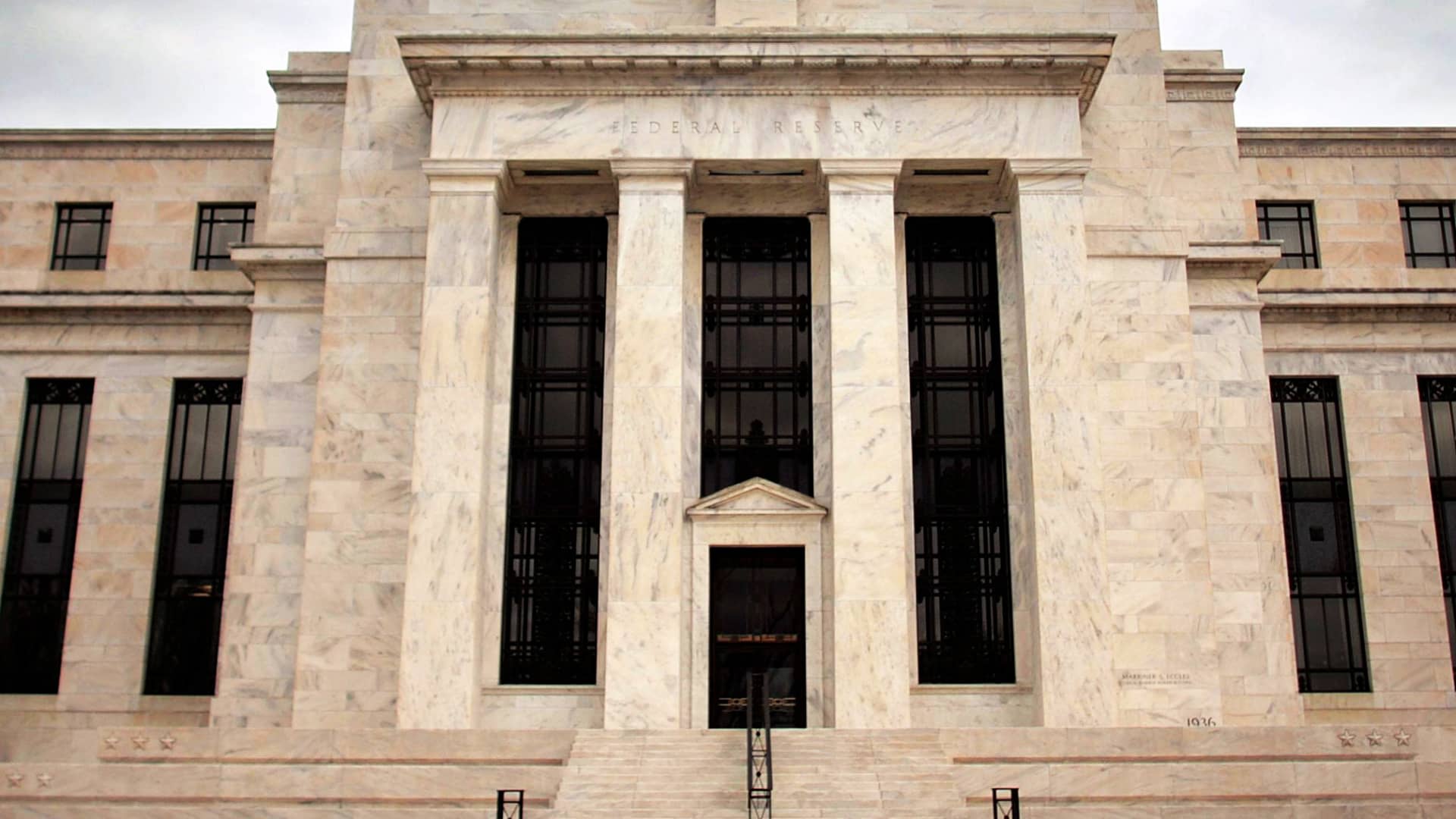
U.S. Treasury yields declined across the board as investors analyze recent inflation data. Markets are currently awaiting additional wholesale inflation readings to gauge future Federal Reserve interest rate policy.
Market Sentiment Shifts as Treasury Yields Retreat
Financial markets experienced a period of recalibration on Thursday as U.S. Treasury yields saw a broad-based decline. The yield on the 10-year U.S. Treasury note, which serves as a critical benchmark for government borrowing costs and influences various consumer loans, dipped by over one basis point to 4.674%. This movement reflects a cautious stance among institutional investors who are currently parsing through July's inflation data while maintaining a vigilant watch for upcoming wholesale inflation figures.
The Impact of Short-Term Policy Expectations
The sensitivity of the 2-year Treasury note remains a focal point for analysts, as it is historically more responsive to shifts in Federal Reserve monetary policy. With the 2-year yield falling more than two basis points to 4.176%, it suggests that the market is adjusting its expectations regarding the trajectory of interest rates. Because bond prices and yields maintain an inverse relationship, this dip indicates a slight increase in demand for these debt instruments, possibly driven by investors seeking a hedge against potential economic volatility or anticipating a shift in central bank strategy.
Analyzing the Yield Curve Dynamics
Beyond the benchmark notes, the longer-dated 30-year Treasury bond also saw a marginal decline, dropping one basis point to 5.236%. This synchronized movement across the duration spectrum highlights a market-wide reaction to the prevailing macroeconomic narrative. Investors are currently operating in a data-dependent environment where every fractional change in a basis point—defined as 0.01%—is scrutinized for signals of cooling or persistent inflation.
The Role of Wholesale Inflation Data
The anticipation surrounding wholesale inflation data is a direct driver of current market volatility. Wholesale or producer-level inflation often acts as a leading indicator for consumer price trends. By monitoring these indices, Wall Street attempts to forecast how much pricing pressure firms are facing, which in turn informs how the Federal Reserve may adjust its stance on interest rate hikes or cuts in the coming months.
Broader Economic Implications and Future Trends
Looking ahead, the direction of Treasury yields will remain tethered to the balance between inflation control and economic growth. If the incoming wholesale data suggests that inflationary pressures are easing, we may see yields stabilize or move lower as the market prices in a more accommodative interest rate environment. However, should the data surprise to the upside, the inverse relationship between yields and prices suggests that bond markets could face renewed downward pressure. The current state of the market reflects a delicate balancing act as participants wait for further confirmation from economic indicators before committing to long-term strategies.