Treasury yields rise as Fed rate hike expectations grow ahead of June inflation print
Source Entity
US Top News and Analysis
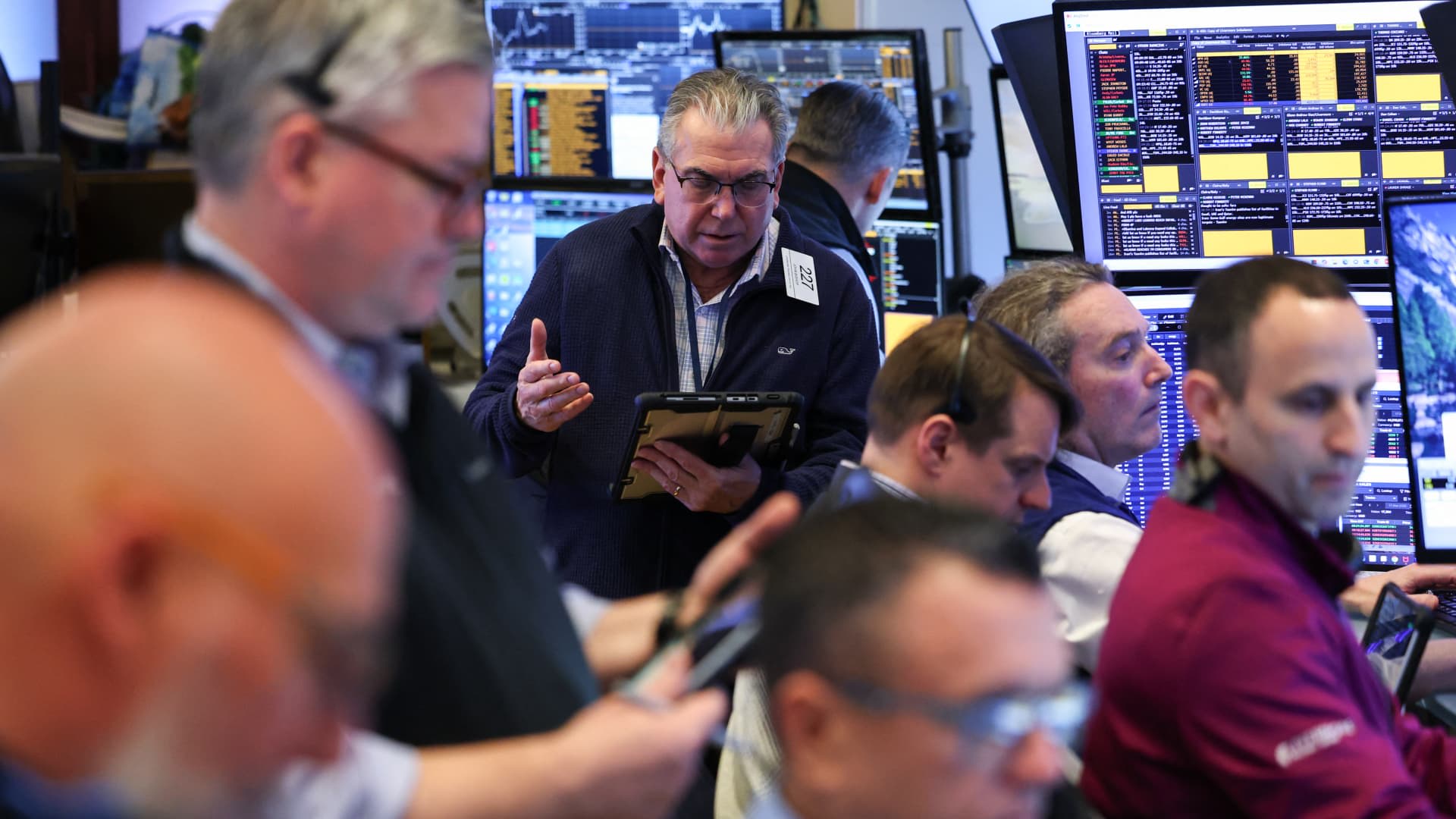
Treasury yields increased Tuesday as expectations for more Federal Reserve interest rate hikes grow.
Market Volatility and the Fed's Tightrope
Treasury yields have experienced a notable uptick, reflecting a growing consensus among investors that the Federal Reserve may be forced to implement further interest rate hikes. This movement is not an isolated incident but a direct reaction to the anticipatory tension surrounding the upcoming June inflation print. In the world of fixed income, Treasury yields serve as a primary barometer for the health of the economy and the expected trajectory of monetary policy. When yields rise, it typically signals that the market is pricing in a more aggressive stance from the central bank to combat persistent inflationary pressures.
The Dynamics of Treasury Yields and Rate Expectations
To understand why yields rise in anticipation of rate hikes, one must look at the inverse relationship between bond prices and yields. When the market expects the Federal Reserve to increase the federal funds rate, existing bonds with lower coupons become less attractive compared to new bonds that will be issued at higher rates. Consequently, investors sell off current holdings, driving bond prices down and pushing yields higher. This specific surge on Tuesday suggests that traders are positioning themselves for a 'hawkish' pivot, fearing that inflation remains too sticky for the Fed to pause its tightening cycle.
The Critical Role of the June Inflation Print
The market's fixation on the 'June inflation print'—likely referring to the Consumer Price Index (CPI) or the Personal Consumption Expenditures (PCE) price index—cannot be overstated. These reports provide the empirical data the Federal Open Market Committee (FOMC) requires to justify its policy decisions. If the June data reveals that inflation is not cooling at the desired pace, the Fed will have little choice but to maintain or increase rates to dampen demand. The current rise in yields is essentially a preemptive strike by the market, attempting to align current valuations with a potential high-inflation reality.
Broader Economic Implications of Rising Yields
The implications of rising Treasury yields extend far beyond the bond market. Because US Treasuries are viewed as the 'risk-free rate,' they serve as the benchmark for almost all other debt instruments globally. An increase in these yields typically leads to higher borrowing costs for corporations and consumers alike. For the average citizen, this manifests as increased interest rates on mortgages, auto loans, and credit cards. For businesses, higher yields increase the cost of capital, which can stifle investment in expansion and research, potentially slowing overall GDP growth.
Historical Context of Monetary Tightening
Historically, the Federal Reserve's struggle to balance inflation control with economic growth has often led to periods of intense market volatility. This current environment echoes the aggressive tightening cycles of the past, where the central bank had to raise rates sharply to break the back of inflation. However, the modern context is complicated by high levels of national debt and a global economy still recovering from the shocks of the pandemic. Unlike previous cycles, the Fed is now operating in a landscape where supply-chain disruptions and geopolitical tensions create 'cost-push' inflation that interest rate hikes alone may struggle to resolve.
Predicting Future Market Trajectories
Looking forward, the market will likely remain in a state of high sensitivity until the June data is officially released. If the inflation print comes in lower than expected, we could see a rapid reversal in yields as the market pivots toward expectations of a rate cut or a prolonged pause. Conversely, a 'hot' inflation report would likely trigger a further spike in yields and could potentially spark a sell-off in equities, as higher discount rates reduce the present value of future corporate earnings. The volatility seen on Tuesday is a harbinger of the binary outcome the market expects from the upcoming data.
Conclusion
In summary, the rise in Treasury yields is a clear manifestation of the market's anxiety regarding inflation and the Federal Reserve's subsequent response. By pricing in further rate hikes ahead of the June inflation print, investors are hedging against the risk of a persistent inflationary environment. While these movements are standard for a tightening cycle, they underscore the delicate balance the Fed must maintain to avoid triggering a recession while successfully returning inflation to its 2% target.