Kid in arms, man dangling from window: Tribals students say forcibly being sent home
Source Entity
The Indian Express
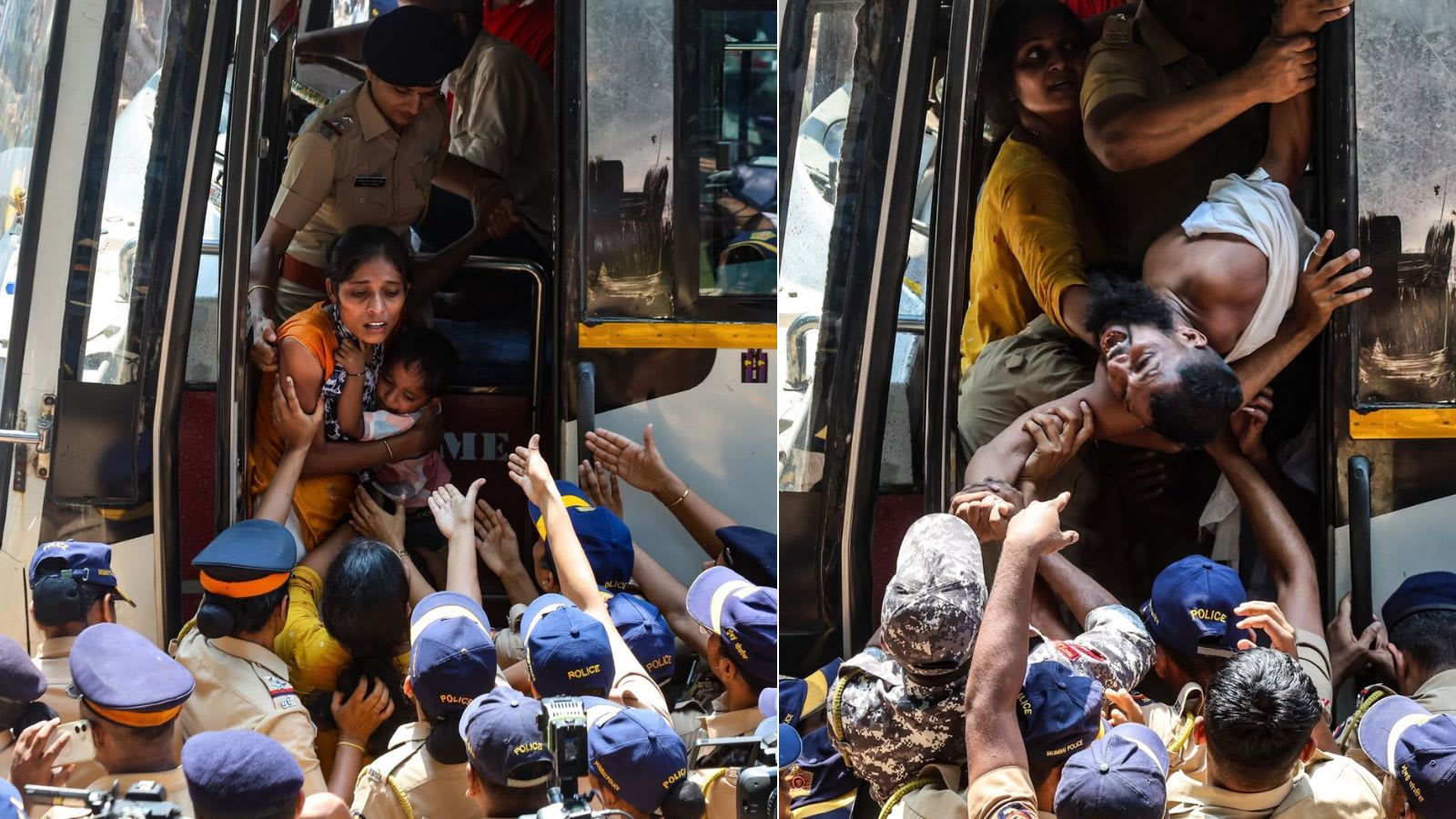
Hundreds of tribal students marching from Nashik to Mumbai were forcibly detained by police while demanding a meeting with Governor Jishnu Dev Varma. The aggressive removal process resulted in chaotic and distressing scenes outside Tilak Bhavan.
The Crisis of Tribal Representation in Maharashtra
On October 6, the streets outside Tilak Bhavan in Mumbai became the site of a distressing confrontation between tribal students and law enforcement. Hundreds of students, who had embarked on a long march from Nashik to the state capital, found their quest for representation met with physical force rather than administrative dialogue. The students have maintained a singular, firm stance: they refuse to vacate Mumbai until they are granted an audience with Governor Jishnu Dev Varma to address their grievances.
The Anatomy of the Confrontation
The situation escalated rapidly over two days. Reports and visual documentation from the scene indicate that on the first day, the protesters faced detention by the Mumbai Police. By the second day, the situation had devolved into a chaotic scuffle. Witnesses observed students being forcibly loaded onto police transport, with some individuals seen dangling from bus windows, others held with children in their arms, and some struggling in positions that left their clothing torn. The optics of the event were further marred by reports of officers appearing to smile during the aggressive removal process.
Historical Context of Tribal Protests
This march represents a recurring pattern in Indian socio-political life, where marginalized communities—specifically tribal populations—must undertake arduous long marches to draw attention to systemic issues. Historically, tribal movements in Maharashtra have focused on land rights, education access, and the implementation of constitutional protections. The decision to march from Nashik to Mumbai is a strategic choice, aiming to bring the plight of the rural hinterlands directly to the doorstep of the state's power centers.
The Demand for Administrative Accountability
The students' insistence on meeting Governor Jishnu Dev Varma highlights a perceived breakdown in local administrative channels. When student bodies feel compelled to bypass district-level officials to seek the intervention of the Governor, it suggests a profound lack of trust in the existing grievance redressal mechanisms. By refusing to return home, these students are signaling that their issues—likely pertaining to education, scholarship, or tribal welfare—are too urgent to be ignored.
Broader Implications and Future Trends
The treatment of these students raises significant questions regarding the right to peaceful protest and the conduct of law enforcement during civil demonstrations. As the government faces increased scrutiny over its handling of this march, the incident may serve as a catalyst for broader discussions on tribal rights in Maharashtra. Future trends suggest that unless these underlying grievances are addressed through formal policy changes, such demonstrations are likely to recur, potentially intensifying in scale as digital mobilization makes it easier for disparate student groups to organize and coordinate their efforts.
Conclusion
The events at Tilak Bhavan reflect the friction between the state's desire for order and the citizens' fundamental right to be heard. The imagery of the protest—students, some with children, being forcibly removed—underscores the gravity of the situation. Moving forward, the administration’s response to these demands will be a litmus test for how the state engages with its most vulnerable populations.