Trinamool MP Samirul Islam calls on family who was pushed into Bangladesh
Source Entity
India Latest News: Top National Headlines Today & Breaking News | The Hindu
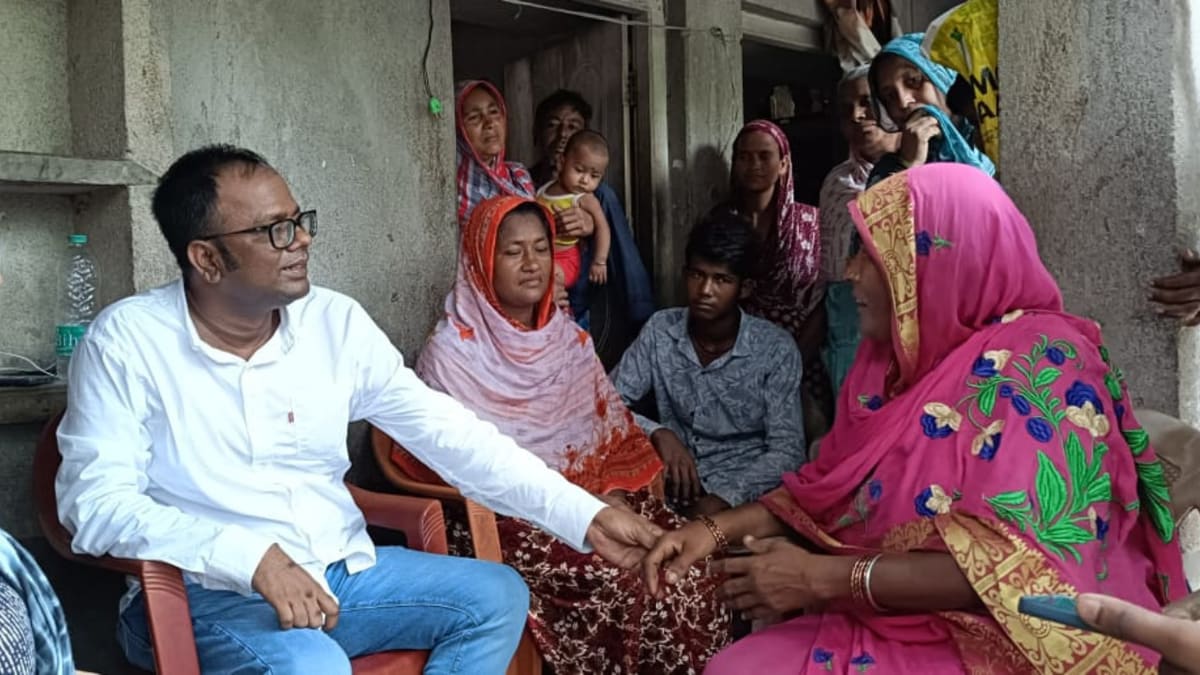
Trinamool Congress MP Samirul Islam successfully facilitated the return of four Bengali migrants from Birbhum to India on July 8, 2026, following a year-long legal struggle after they were detained by Delhi Police and pushed into Bangladesh.
Restoration of Rights: The Return of the Birbhum Migrant Family
In a significant resolution to a harrowing case of wrongful deportation, four Bengali migrants originating from the Birbhum district of West Bengal were repatriated to India on July 8, 2026. The family had spent a year in Bangladesh after being detained by the Delhi Police and subsequently pushed across the border. This event highlights the precarious nature of migrant labor in urban centers and the critical role of political intervention in correcting administrative errors regarding citizenship and residency.
The Mechanics of Wrongful Detention
The core of this incident lies in the detention of the four individuals by the Delhi Police last year. In many such cases, migrant workers from border states like West Bengal often lack updated documentation or face linguistic barriers that lead authorities to misidentify them as illegal immigrants. The act of being "pushed" into Bangladesh suggests a summary deportation process that may have bypassed standard judicial reviews or verification protocols. This specific event underscores a systemic vulnerability where the drive to curb illegal immigration can inadvertently lead to the infringement of the rights of genuine Indian citizens.
Political Advocacy and the Role of Samirul Islam
The return of the family was not an automatic administrative correction but the result of a concerted effort by Trinamool Congress MP Samirul Islam. By taking up the cause of the migrant workers, Islam bridged the gap between a marginalized family in exile and the complex legal machinery of the Indian state. His involvement indicates that for many displaced persons, political patronage is often the only viable pathway to accessing legal aid and navigating the bureaucracy required to prove citizenship. The MP's role in providing both legal and material support was instrumental in sustaining the family's fight over the course of a full year.
The Legal Battle for Citizenship
The "year-long legal battle" mentioned in the reports points to the arduous process of proving identity after a person has already been deported. Once an individual is pushed across a border, the burden of proof shifts heavily onto the claimant. The legal proceedings likely involved the retrieval of birth records, voter IDs, or land documents from Birbhum to convince the authorities of their Indian nationality. This case serves as a stark reminder of the legal limbo experienced by those caught in the crosshairs of border security and immigration enforcement, where the absence of a single document can lead to the loss of one's homeland.
Broader Implications for Migrant Welfare
Beyond the immediate success of this case, the event reflects a broader trend of vulnerability among the internal migrant population in India. Workers moving from rural West Bengal to Delhi for employment often exist on the fringes of society, making them easy targets for profiling. The fact that a family could be deported and required a Member of Parliament's intervention to return suggests a need for more robust safeguards in the detention and deportation processes to ensure that no Indian citizen is wrongfully exiled.
Conclusion and Future Outlook
The return of the Birbhum family on July 8, 2026, is a victory for human rights and political accountability. However, it also leaves behind critical questions regarding the protocols used by the Delhi Police in the initial detention. As India continues to balance national security with the protection of its citizens, this case will likely be cited as a precedent for the necessity of rigorous verification before deportation. The resolution of this crisis emphasizes that while the law is designed to protect borders, it must be applied with a level of diligence that prevents the tragedy of wrongful exile.
Verification Required?