Tripura University must emerge as Northeast research hub, CM Manik Saha says
Source Entity
Latest News: Todays Latest News Headlines from India & World | Hindustan Times | Hindustan Times
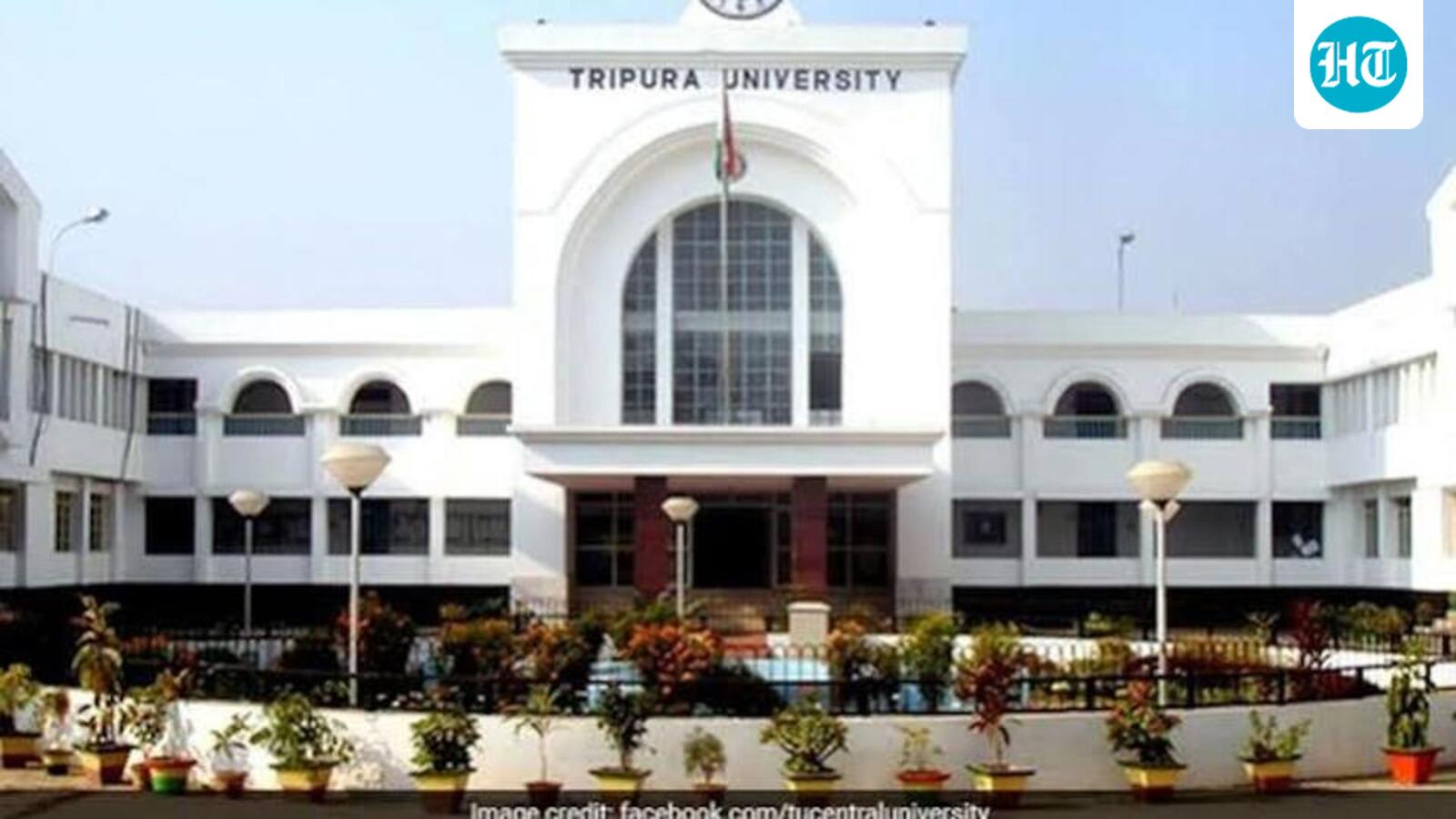
Tripura Chief Minister Manik Saha has called for transforming Tripura University into a premier research and innovation hub in Northeast India. He emphasized the critical need for industry-academia collaboration and interdisciplinary studies to drive regional growth.
Vision for Academic Excellence in Tripura
Tripura Chief Minister Manik Saha recently outlined a strategic vision for Tripura University, urging the institution to evolve into a primary research and innovation hub for the Northeast region. Speaking at the university's 40th foundation day, held at the Maharaja Bir Bikram Shatabarshiki Bhawan, the Chief Minister highlighted that the institution’s future trajectory must be defined by academic rigor and practical application. This push reflects a broader governmental initiative to elevate the educational infrastructure of India’s northeastern states, positioning them as competitive centers for intellectual and economic development.
The Necessity of Industry-Academia Synergy
At the core of the Chief Minister's address was the imperative for stronger industry-academia collaboration. Historically, universities in India have often operated in siloes, detached from the immediate requirements of the private sector and the broader economy. By fostering partnerships between the university and industry stakeholders, Tripura University aims to bridge the gap between theoretical knowledge and real-world implementation. This integration is essential for creating a pipeline of skilled professionals who are equipped to meet the challenges of a rapidly evolving job market.
Promoting Interdisciplinary Research and Innovation
CM Saha emphasized the importance of interdisciplinary research, a modern pedagogical approach that breaks down traditional barriers between academic fields. By encouraging students and faculty to synthesize ideas from diverse disciplines, the university is expected to foster a culture of innovation and entrepreneurship. This shift is vital for addressing complex regional issues, such as sustainable development and local resource management, which require multifaceted problem-solving skills rather than narrow, specialization-focused approaches.
Expanding Global and National Partnerships
Beyond the local scope, the Chief Minister advocated for national and international academic partnerships. In an increasingly globalized educational landscape, collaboration with esteemed institutions outside of Tripura is essential for benchmarking standards and facilitating knowledge exchange. By aligning with international research protocols and collaborative networks, Tripura University can enhance its academic credibility and attract talent from across the country, effectively placing itself on the map as a center of excellence.
Connecting Knowledge to Societal Needs
Perhaps the most significant takeaway from the foundation day ceremony was the directive that the university must not merely exist to create knowledge, but to apply it. The Chief Minister stressed that knowledge must be directly connected to the needs of society. This implies a shift toward outcome-based education, where research projects and academic pursuits are evaluated based on their utility to the state of Tripura and the Northeast region. By prioritizing research that addresses practical regional challenges, the university can ensure its relevance and long-term impact on the community.
Future Outlook and Regional Development
Looking ahead, the transformation of Tripura University into a research hub serves as a bellwether for the development of the Northeast. As the institution implements these strategies, the potential for local economic stimulus through innovation and entrepreneurship is significant. If successfully executed, this model could serve as a blueprint for other regional universities, ultimately strengthening the intellectual capital of Northeast India and ensuring that the next generation of scholars is prepared to lead in a globalized, knowledge-driven economy.
Verification Required?