With 40% Tariff Threat, Trump Wants An Edge Over China Despite A Trade Deal
Source Entity
NDTV News Search Records Found 1000
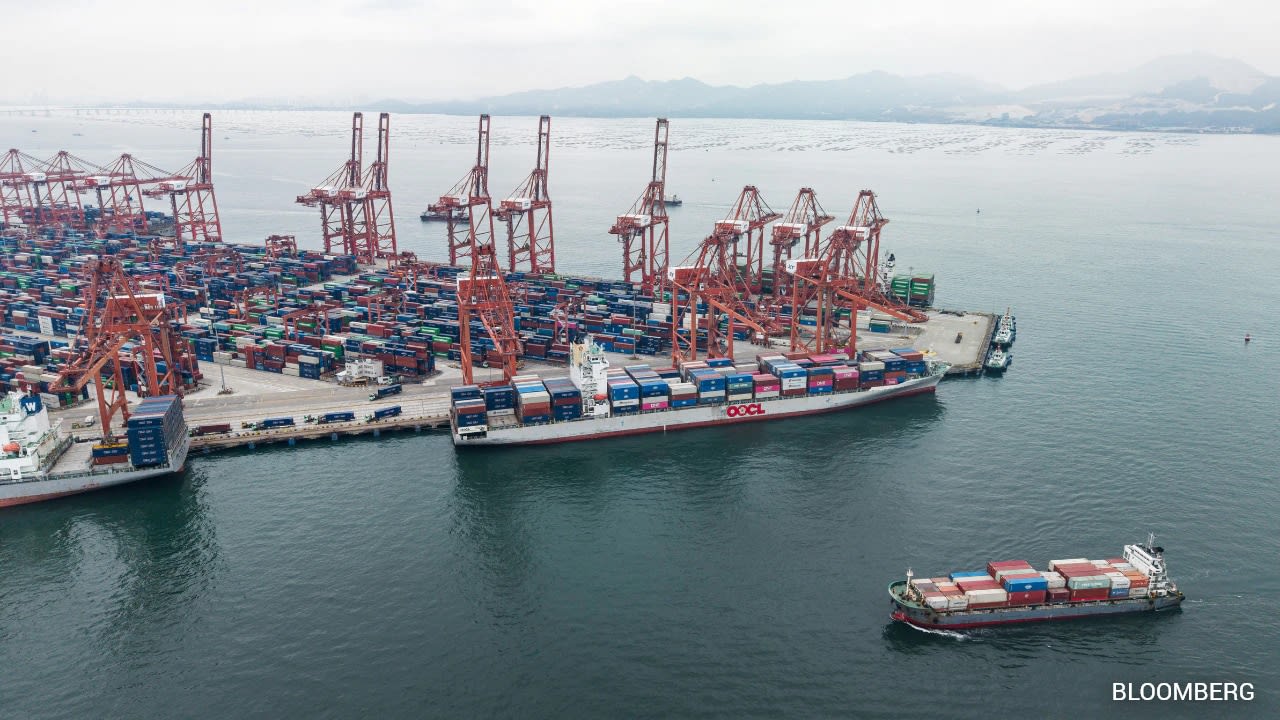
Donald Trump has threatened a 40% tariff on Chinese goods, prompting an immediate dismissal from the Chinese Foreign Ministry. This move signals a potential return to aggressive trade protectionism despite previous deal-making efforts.
The Resurgence of Trade Protectionism
Donald Trump’s recent threat to impose a 40% tariff on Chinese imports marks a significant escalation in the ongoing economic tug-of-war between the world's two largest economies. By signaling a willingness to bypass existing trade frameworks, the former president is signaling a return to the 'America First' trade strategy that characterized his previous administration. This approach prioritizes domestic manufacturing protection over the stability of global supply chains.
The Chinese Diplomatic Response
The immediate reaction from Beijing, articulated by Foreign Ministry spokesman Guo Jiakun, was one of firm dismissal. By publicly downplaying the prospect of these new tariffs, China is attempting to project a sense of economic resilience and diplomatic composure. This rhetoric serves to reassure domestic audiences and international investors that China remains committed to its own economic trajectory, regardless of external political pressure from Washington.
The Fragility of Trade Agreements
The tension highlights the inherent fragility of previous bilateral trade agreements. Despite past efforts to formalize a 'Phase One' deal and manage trade imbalances, the underlying structural issues—ranging from intellectual property disputes to technological dominance—remain largely unresolved. Trump’s threat suggests that he views previous deals as insufficient, favoring a more coercive strategy to force concessions from Beijing.
Broader Global Economic Implications
A 40% tariff would have profound implications for global trade, likely triggering a cascade of retaliatory measures. Such a move would not only disrupt the flow of goods but also increase costs for American consumers and businesses reliant on Chinese components. Historically, periods of high protectionism have led to market volatility and inflationary pressures, as supply chains are forced to restructure under geopolitical duress.
Future Trends and Strategic Outlook
Looking ahead, the relationship between the US and China appears destined for continued friction. As both nations double down on economic nationalism, the era of hyper-globalization is being replaced by a more fragmented trade environment. Future trends suggest that companies will increasingly prioritize 'friend-shoring' and supply chain diversification to mitigate the risks posed by shifting political tides and the unpredictability of trade policy.
Conclusion
In summary, the threat of a 40% tariff underscores the deep-seated mistrust that continues to define US-China relations. While the Chinese Foreign Ministry maintains a posture of defiance, the reality is that such policy shifts create an atmosphere of uncertainty that impacts every sector of the global economy. As this narrative unfolds, the international community must prepare for a prolonged period of economic maneuvering where trade policy is used as a primary tool of statecraft.
Verification Required?