US shares Indian-origin trucker’s crash clip as lawmakers slam govt over ‘racist’ Mr Singh post
Source Entity
Latest News: Todays Latest News Headlines from India & World | Hindustan Times | Hindustan Times
The Trump administration has proposed eliminating the 60-day H-1B grace period, forcing foreign workers to leave immediately upon job termination. Simultaneously, a controversial AI-generated DHS social media post targeting Indian Americans has ignited accusations of racism and xenophobia.
The Shift in H-1B Policy and its Implications
The Trump administration has introduced a significant shift in immigration policy, proposing the elimination of the 60-day grace period currently afforded to H-1B and other temporary work visa holders following the loss of employment. Under these proposed revisions by the U.S. Department of Homeland Security (DHS), foreign workers would be required to depart the country immediately upon the conclusion of their employment. This transition marks a departure from previous administrative leniencies, creating a precarious environment for skilled professionals who previously utilized this window to secure new employment or finalize their affairs before exiting the United States.
Impact on the American Tech Sector
This policy change carries profound implications for the U.S. technology sector, which has historically relied on a global talent pool to maintain innovation and competitive advantage. By removing the transitional grace period, the administration effectively binds foreign professionals to their current employers, as the threat of immediate deportation upon termination reduces worker mobility and bargaining power. Industry analysts suggest that this could disrupt the operations of top American tech firms that depend heavily on international expertise, potentially leading to a talent drain as professionals seek more stable regulatory environments.
The Rise of Contentious Digital Rhetoric
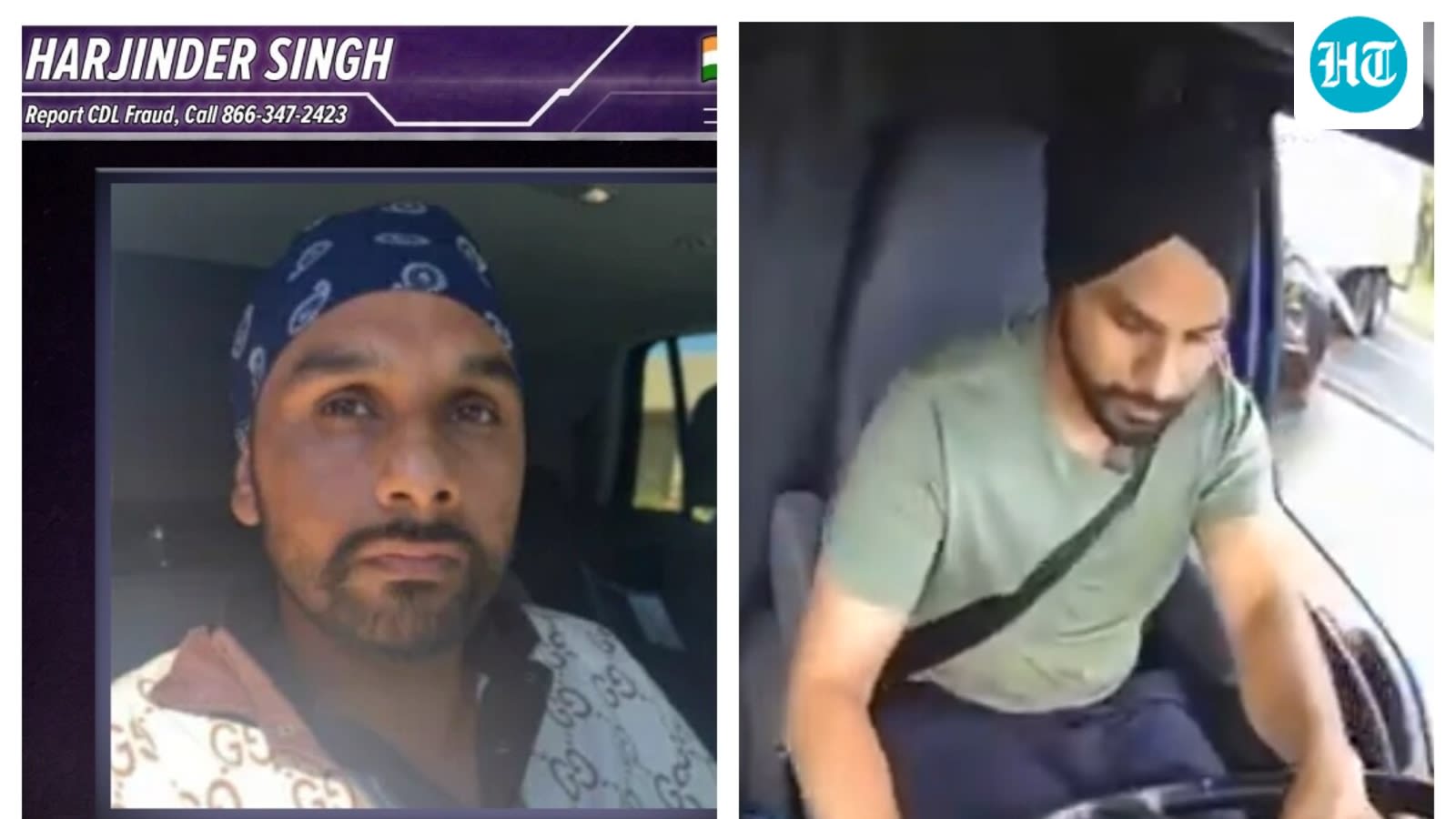
Compounding the policy shift is a recent surge in controversial digital communications from the DHS. The department recently shared an AI-generated post on X that specifically targeted Indian Americans with the confrontational message, “Self-deport or find out.” The visual content, which utilized characters from the Transformers franchise, depicted a character named “Mr. Singh” being confronted by Optimus Prime. The inclusion of additional derogatory messaging—specifically the phrase, “Get off our roads, you don’t know how to drive Mr. Singh”—has drawn sharp condemnation from advocacy groups and the public alike.
Addressing Allegations of Xenophobia
Critics have categorized the DHS campaign as explicitly racist and anti-Indian. By targeting a common Sikh and Indian surname in a context that invokes negative stereotypes about driving and national belonging, the government’s official communication has sparked a significant row. The use of AI-generated content to disseminate such messages represents a novel and alarming intersection of state-sponsored messaging and inflammatory digital discourse, raising questions about the standards of official government communication in the current political climate.
Broader Socio-Political Consequences
These developments suggest a hardening stance on immigration that extends beyond legislative reform into the realm of public intimidation. The combination of restrictive visa rules and targeted social media campaigns signals a broader effort to prioritize domestic labor markets through exclusionary rhetoric. As Indian professionals—who represent a significant portion of the H-1B workforce—face both the loss of job security and explicit public targeting, the long-term impact on U.S.-India relations and the perception of the United States as a destination for global talent remains to be seen. The convergence of these policies and digital campaigns reflects a turbulent period for the U.S. immigration system.
Multiple Citing Sources
Verification Required?