US sends up to 200 troops to help Saudi Arabia fight Iran-backed Houthis: Report
Source Entity
RAJEEV SINGH
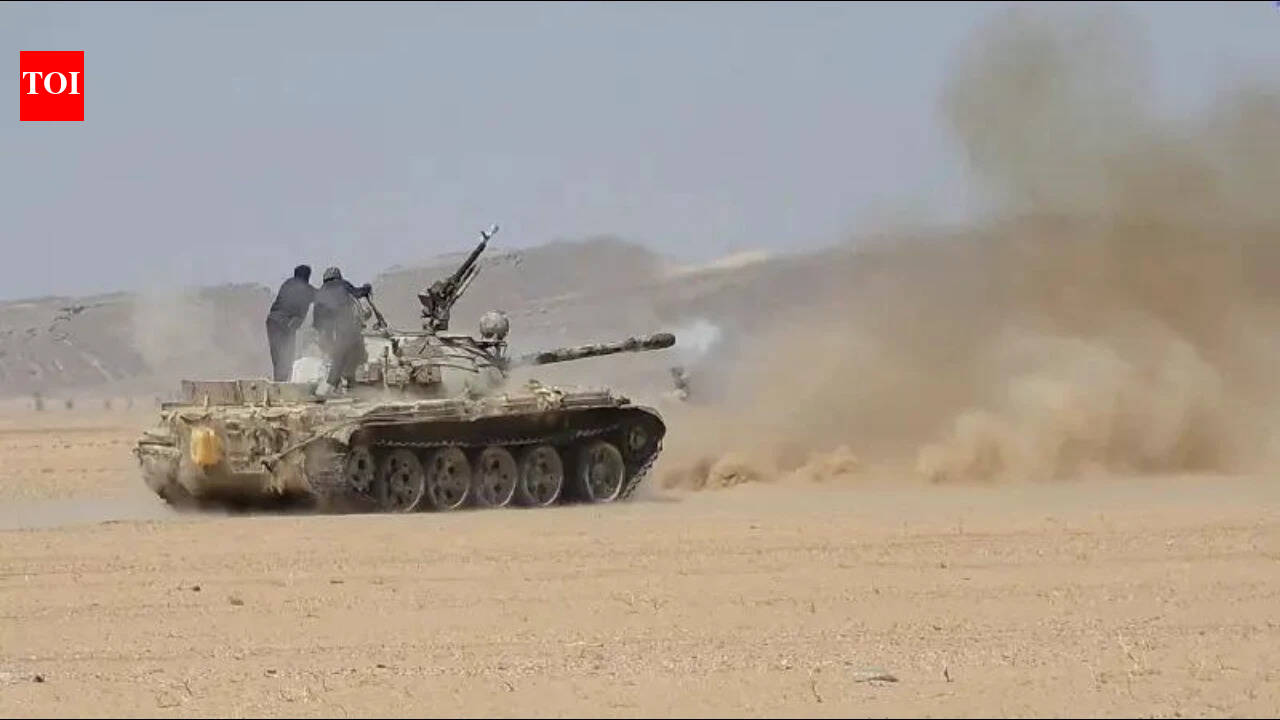
The Yemeni Army has reported capturing significant territory from Houthi forces, potentially shifting the balance in a long-running conflict. Concurrently, the Houthis have increased attacks on Saudi infrastructure, highlighting the intensifying regional proxy war and threats to critical maritime routes.
Escalating Conflict: Shifts in the Yemeni Battlefield
The ongoing civil war in Yemen has entered a volatile new phase as the Yemeni Army reports the capture of "vast areas" from Houthi forces. This development, supported by footage from the Yemeni Armed Forces Media Centre, signals a potential tactical pivot in a conflict that has devastated the nation for over a decade. The territorial gains, if verified, represent a significant effort by the internationally recognized government to reclaim strategic ground and disrupt Houthi operational capabilities.
The Strategic Importance of Maritime Control
A critical dimension of this struggle involves the control of key infrastructure, most notably the port of Mokha. The Houthi interest in this Red Sea gateway is not merely territorial; it is an attempt to exert influence over the Bab al-Mandab Strait. Control over this vital maritime waterway serves as a powerful geopolitical lever, threatening international shipping routes and increasing the stakes for global trade, as the Houthi movement seeks to solidify its position against the Saudi-led coalition.
Regional Proxy Dynamics
The conflict has expanded beyond Yemen’s borders, evolving into a complex proxy war. Reports indicate that Iran is increasingly utilizing the Houthis—alongside allied militias in Iraq—to pressure Saudi Arabia and U.S. interests in the Gulf. This regional alignment was underscored by coordinated drone and missile attacks on Saudi oil facilities, which led to temporary operational halts. Officials suggest that these actions are part of a broader strategy of retaliation against Saudi-led airstrikes, creating a cycle of escalation that remains difficult to break.
The Breakdown of Stability
The fragility of the situation is compounded by the collapse of a four-year informal ceasefire that began to unravel in July. The subsequent announcement of a "maritime embargo" by the Houthis against Saudi Arabia has injected new levels of instability into the region. With both sides engaged in tit-for-tat military actions—ranging from prison strikes in Jawf province to large-scale drone assaults—the human cost of the conflict continues to mount, with civilian casualties frequently reported.
Future Implications and Outlook
Looking forward, the battlefield dynamics suggest a prolonged period of attrition. The Yemeni Army’s recent advances place significant pressure on Houthi supply lines and organizational structure. However, the movement’s reliance on advanced drone and missile technology, potentially integrated through regional operations rooms, ensures they remain a potent force. As international focus remains locked on the security of the Red Sea, the ability of both factions to sustain these high-intensity operations will determine the future of Yemen’s sovereignty and the security of the broader Middle East.
Multiple Citing Sources