25 years of 9/11: How cinema remembered, mourned and questioned
Source Entity
HAIMANTI MUKHERJEE
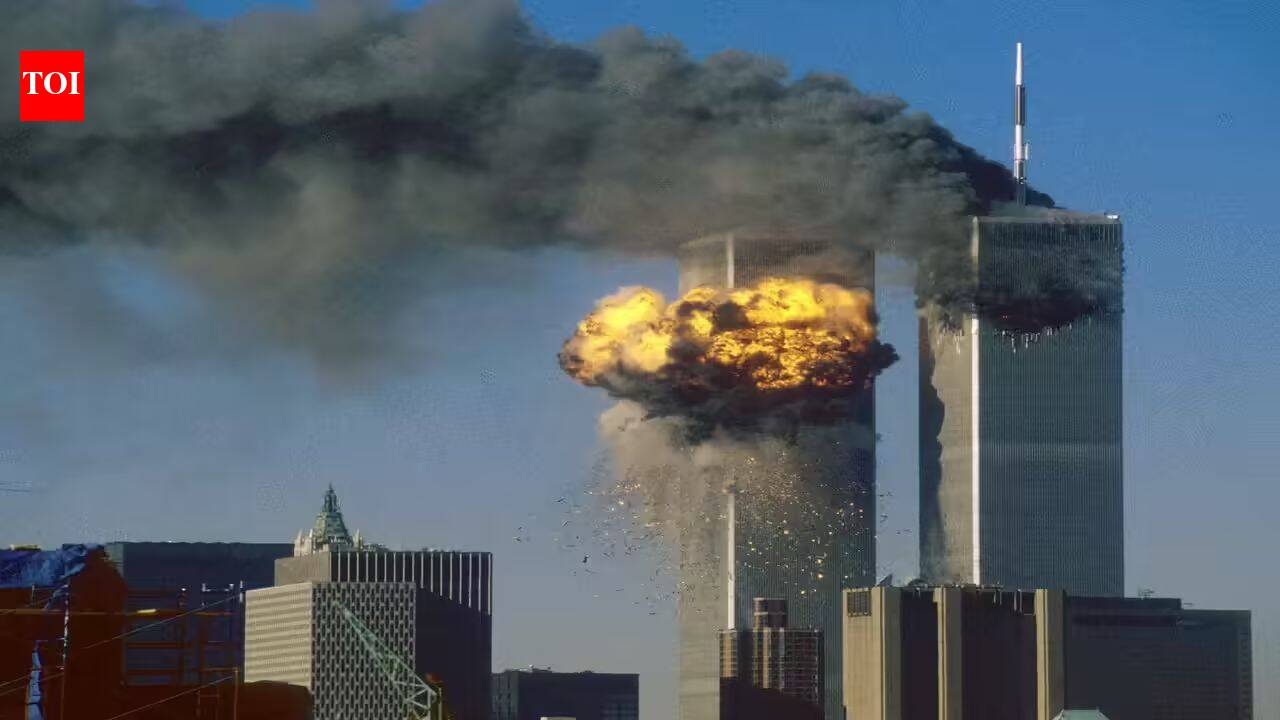
As the 25th anniversary of 9/11 approaches, cinema continues to serve as a critical medium for processing the trauma of the attacks. Filmmakers balance the visceral horror of the events with nuanced explorations of grief, structural collapse, and the enduring human spirit.
The Cinematic Legacy of 9/11: Two Decades of Reflection
As we approach the 25th anniversary of the September 11 attacks, the role of cinema in shaping our collective memory remains profound. For over two decades, filmmakers have grappled with the task of portraying a tragedy that defied conventional narrative structures. By transitioning from immediate, raw documentation to more reflective, retrospective storytelling, the medium has allowed society to process the immense psychological and political shifts that followed that fateful day.
The Duality of Perspective
A recurring motif in the most effective 9/11-themed cinema is the juxtaposition of disparate realities. As noted in critical analyses of the era’s filmography, the emotional resonance of these works often hinges on the contrast between what occurs above ground and the harrowing experiences unfolding below. This spatial dichotomy mirrors the broader societal experience: the surface-level chaos and televised spectacle versus the subterranean, intimate human tragedies occurring within the rubble and the rescue efforts.
Documenting the Unspeakable
The challenge for directors has always been to avoid exploitation while maintaining historical honesty. Early films focused heavily on the immediate aftermath, prioritizing the visceral experience of the collapse and the subsequent search for survivors. By grounding narratives in these physical realities—specifically the environment beneath the debris—filmmakers have successfully highlighted the humanity buried within the structural ruin, forcing audiences to confront the scale of the loss on a personal level.
Shifting Narratives and Evolving Grief
Over the last 25 years, the focus of 9/11 cinema has shifted from the event itself to the long-term ripples it created. This evolution tracks with our own societal journey; we have moved from a period of shock and unified mourning to a complex era of questioning, geopolitical critique, and long-term psychological assessment. Cinema has acted as a mirror for this shift, moving from the heroic archetypes of the early 2000s to more nuanced explorations of trauma, surveillance, and the erosion of privacy.
The Future of 9/11 Storytelling
Looking toward the future, the cinematic treatment of 9/11 will likely continue to evolve as the event transitions from lived memory to historical fact. Future filmmakers will have the benefit of distance, allowing for more critical examinations of the event's impact on global policy and social cohesion. By continuing to examine the contrast between the macroscopic event and the microscopic human experience, cinema will ensure that the complexities of the tragedy are not lost to time or oversimplification.
Conclusion
Ultimately, the cinematic remembrance of 9/11 is a testament to the power of art to bridge the gap between trauma and understanding. Through its focus on contrast, space, and the human condition, film has provided a necessary vessel for mourning. As we reach this 25-year milestone, these works remain essential viewing for understanding the defining event of the 21st century and its lasting imprint on the global consciousness.