UK tries to stop Trump's diesel export ban
Source Entity
BBC News
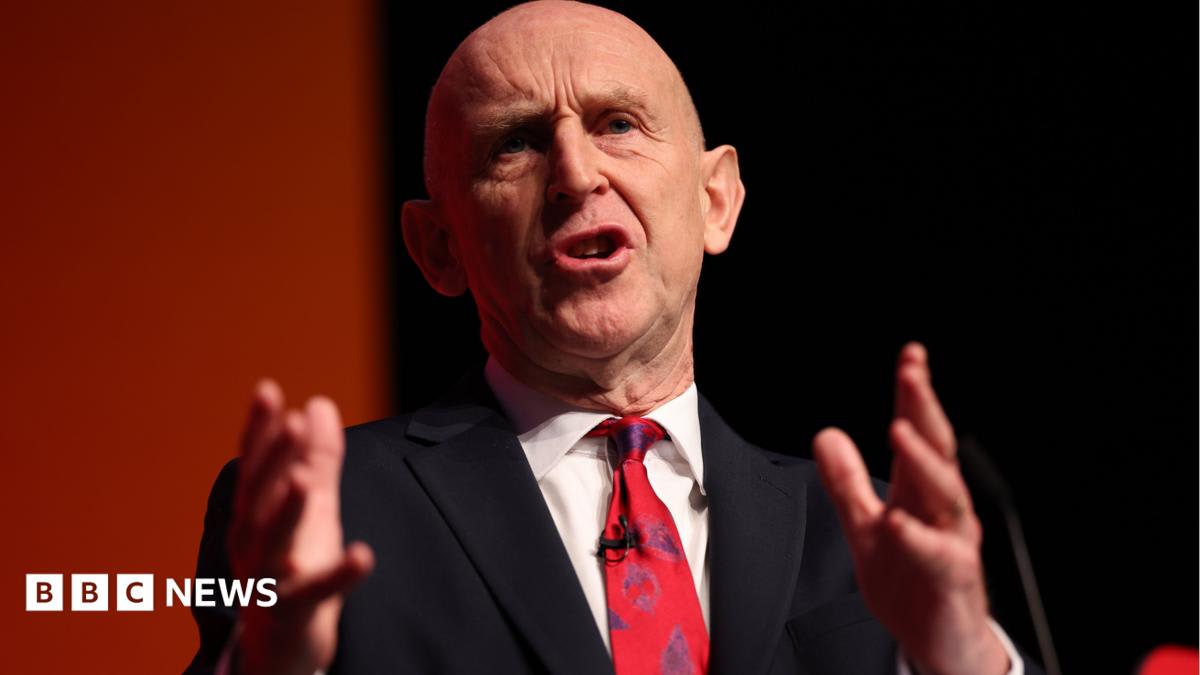
President Donald Trump is considering a ban on U.S. diesel exports to address domestic fuel costs, despite warnings that such a move could backfire. The UK government is actively engaging with U.S. officials to mitigate the potential impact on global supply chains and domestic fuel prices.
The Geopolitical Implications of a Potential U.S. Diesel Export Ban
President Donald Trump has signaled that his administration is 'very seriously' considering a ban on U.S. diesel exports. This potential policy shift comes as the White House faces immense political pressure to mitigate the impact of soaring fuel prices ahead of the upcoming midterm elections. While the intention is to alleviate domestic supply constraints, the proposal has sent shockwaves through international markets, highlighting the delicate balance between domestic energy security and global trade dependencies.
Economic Consequences and Domestic Impact
According to analysis from Goldman Sachs, such a restriction could prove counterproductive. Strategists suggest that a ban on diesel exports might inadvertently add $0.30 per gallon to domestic retail gasoline prices. This paradox arises because U.S. refiners, which often produce gasoline and diesel in tandem, would be forced to adjust their production cycles. If export channels for diesel are severed, the resulting operational shifts could constrain the overall output of gasoline, effectively penalizing the very consumers the policy intends to protect.
International Strain and UK Diplomacy
The global ramifications are already manifesting, particularly in the United Kingdom. Chancellor John Healey has confirmed that the UK government is in active discussions with U.S. authorities regarding the threat. With UK diesel prices reaching record highs due to supply pressures—exacerbated by the ongoing conflict between Israel and Iran, as well as the war in Ukraine—any disruption to U.S. supply would be catastrophic. The UK is currently forced to plan for a potential ban, confirming that they are reviewing their own strategic fuel stocks to buffer against the volatility.
The Global Supply Crunch
This situation is unfolding against a backdrop of global instability. The confluence of the Russia-Ukraine war and heightened tensions in the Middle East has created a precarious energy environment. Diesel, being the lifeblood of logistics, agriculture, and industrial transport, is particularly sensitive to these supply shocks. President Trump’s willingness to consider such drastic trade measures underscores the severity of the supply crunch, yet analysts warn that the move could trigger a wider inflationary cycle in energy costs globally.
Future Trends and Strategic Risks
Looking ahead, the market is bracing for a period of heightened uncertainty. If the U.S. proceeds with an export ban, it could fundamentally alter the landscape of international energy trade. Refiners may struggle to pivot, and the resulting price volatility could force other nations to seek alternative, potentially more expensive, supply sources. The situation remains fluid as the administration weighs the short-term political benefits of domestic fuel intervention against the long-term risk of destabilizing the global energy market.
Conclusion
In summary, the prospect of a U.S. diesel export ban represents a high-stakes gamble. While the administration seeks to address domestic price concerns in the face of election-year pressures, the potential for a backfiring effect—both at the U.S. gas pump and in international relations with allies like the UK—is significant. The coming weeks will be critical as diplomatic channels remain open and market analysts continue to monitor the potential for a volatile shift in global energy policy.
Multiple Citing Sources