Why does Trump want employers to pay $103,265 for H-1B visas?
Source Entity
The Indian Express
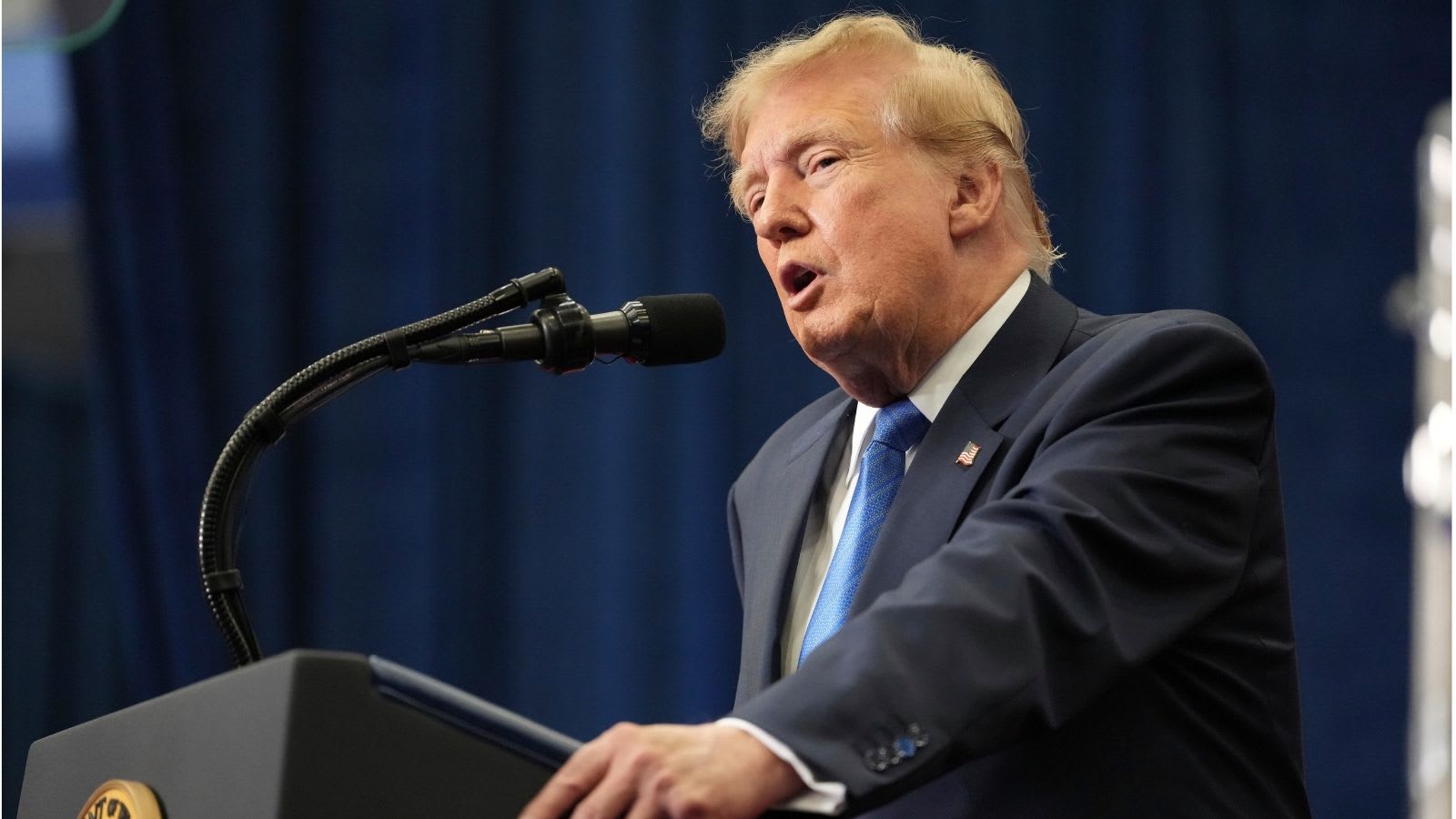
President Trump has proposed a $103,265 surcharge on H-1B visa petitions to discourage the hiring of foreign workers. The move aims to protect domestic labor, though it faces criticism for potentially disrupting the talent acquisition strategies of major tech firms.
The Strategic Overhaul of the H-1B Visa Program
The Trump administration has reignited its focus on immigration reform with a significant proposal to impose a $103,265 fee on every H-1B cap-subject petition. This policy shift, which includes petitions currently eligible for the 20,000 advanced-degree exemption, represents a drastic escalation in the financial barriers surrounding the recruitment of skilled foreign labor in the United States.
Economic Rationale and Domestic Labor Concerns
At the heart of this proposal lies a protectionist philosophy aimed at prioritizing the American workforce. Critics of the existing H-1B system, spanning both sides of the political aisle, have long argued that the program facilitates the replacement of domestic professionals with cheaper international alternatives. By introducing a six-figure surcharge, the administration seeks to neutralize the cost-saving incentive that employers traditionally utilize when opting for foreign talent over local candidates.
The Impact on Silicon Valley and Tech Giants
Silicon Valley has historically relied on the H-1B program to bridge the talent gap in specialized sectors such as engineering, artificial intelligence, and software development. Industry leaders, including figures like Elon Musk, have previously championed the program as essential for maintaining U.S. competitive dominance. A fee of this magnitude threatens to disrupt these established talent pipelines, forcing tech firms to reassess their global recruitment strategies and potentially relocate operations to more cost-effective jurisdictions.
Policy Implications and Administrative Hurdles
The administrative implementation of this fee would place an immediate financial burden on employers at the point of filing, independent of existing regulatory costs. This creates a high barrier to entry that could disproportionately affect small-to-medium enterprises that lack the capital of tech giants to absorb such expenses. Furthermore, the proposal highlights a fundamental tension between the desire to protect domestic wages and the necessity of maintaining a high-skilled workforce to drive national innovation.
Historical Context and Future Outlook
This proposal serves as a continuation of previous efforts to restrict immigration pathways that the administration views as detrimental to the local labor market. As the debate over the H-1B program intensifies, the future of the policy will likely hinge on the administration’s ability to reconcile its economic nationalist agenda with the demands of an increasingly globalized technology sector. The potential for legal challenges and intense lobbying efforts suggests that this policy will remain a contentious focal point in national politics for the foreseeable future.