Inside Trump’s world: What 24-hour Hormuz U-turn reveals
Source Entity
Syed Ilham Jafri
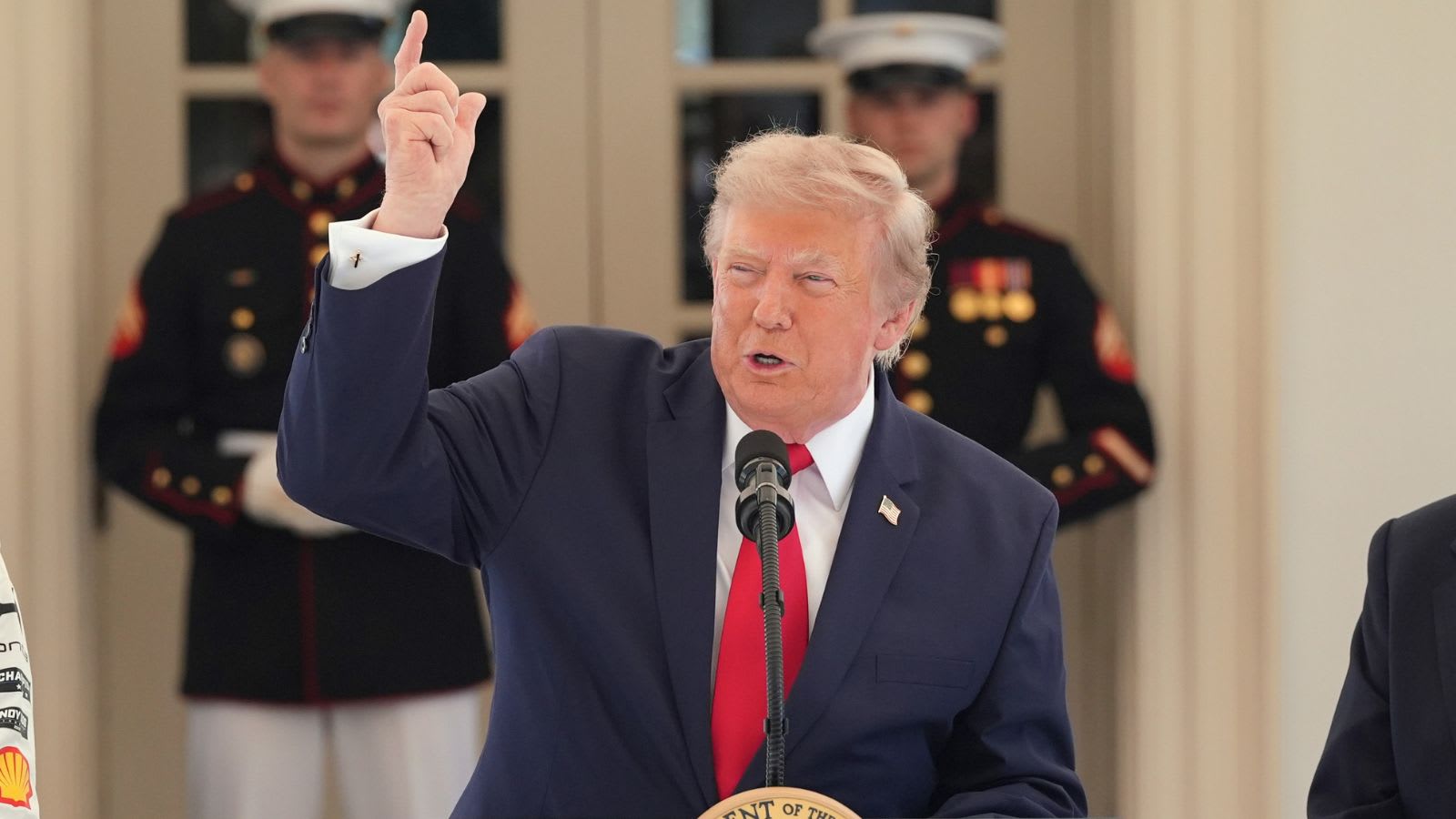
Donald Trump briefly proposed a 20% fee on all cargo passing through the Strait of Hormuz, only to reverse the decision within 24 hours, illustrating his volatile and transactional approach to international diplomacy.
The Hormuz Volatility: Analyzing Trump's 24-Hour Policy Pivot
The recent proposal by US President Donald Trump to impose a 20% fee on all cargo passing through the Strait of Hormuz, and the subsequent reversal of that proposal within a single day, serves as a potent case study in the volatility of modern American foreign policy. While the proposal was short-lived, its mere existence sent ripples through global markets and diplomatic channels. This event is not merely a policy hiccup but a reflection of a specific governing style characterized by sudden escalations followed by rapid retreats, designed to keep adversaries and allies alike in a state of perpetual uncertainty.
The Strategic Weight of the Strait of Hormuz
To understand the gravity of this proposal, one must recognize that the Strait of Hormuz is perhaps the most critical maritime chokepoint in the world. As the sole sea passage from the Persian Gulf to the open ocean, it is the primary artery for the global export of oil, gas, and petrochemicals. Any threat to the free flow of traffic—whether through military blockade or, in this case, an arbitrary financial levy—has the immediate potential to spike global energy prices and destabilize international trade. By targeting this specific geography, the proposal touched upon the most sensitive nerve of global economic security, making the 20% fee an act of extreme economic leverage.
Diplomacy as a Transactional Tool
This "u-turn" reveals a broader pattern of "shock and awe" diplomacy. Rather than following traditional diplomatic protocols—which involve inter-agency vetting and coordinated communication with allies—the proposal appears to have been used as a transactional gambit. By floating a radical idea, the administration can gauge the intensity of the reaction from global powers and market indices. The rapid reversal suggests that the goal may not have been the implementation of the fee itself, but rather the signal that the US is willing to disrupt the most vital trade routes in the world to achieve its political objectives.
Market Instability and the Cost of Uncertainty
Despite the 24-hour window, the economic implications of such volatility are significant. Global shipping companies and insurance underwriters operate on predictability. When the leader of the world's largest economy proposes a massive tax on a critical waterway, it introduces a "risk premium" into the market. Even if the policy is retracted, the precedent of unpredictability remains. This creates a climate where long-term strategic planning becomes difficult for international partners, as they must account for the possibility of sudden, unilateral changes in US maritime and trade policy.
The Erosion of Institutional Norms
From a political science perspective, the Hormuz incident highlights the bypassing of traditional statecraft. Normally, a proposal affecting global trade would undergo rigorous analysis by the Department of Commerce, the State Department, and the Department of Defense to assess the risk of military escalation or economic blowback. The speed of this proposal and its subsequent disappearance suggest a centralized decision-making process where the President's immediate instincts override institutional caution. This shift fundamentally alters how other nations perceive the reliability of US commitments and threats.
Future Trends in Geopolitical Leverage
Looking forward, this event suggests that the US may continue to use "economic shock" tactics as a primary tool of engagement. We can expect more instances where high-stakes demands are made and then retracted once a desired reaction is achieved. However, there is a diminishing return to this strategy; as the world becomes accustomed to these "u-turns," the deterrent effect of the initial threat weakens. If the international community views these proposals as mere performance rather than policy, the US may find its actual leverage reduced in future crises.
Conclusion
In summary, the 24-hour Hormuz fee proposal was less about revenue or maritime regulation and more about the projection of power through unpredictability. While the immediate threat was neutralized by the reversal, the event underscored the precarious nature of global trade when subjected to the whims of transactional diplomacy. The incident leaves behind a legacy of heightened anxiety in the Persian Gulf and a clear signal that the US is willing to weaponize global chokepoints to maintain its geopolitical dominance.