Donald Trump's tariff tornado returns as India deal stalls
Source Entity
CHIDANAND RAJGHATTA
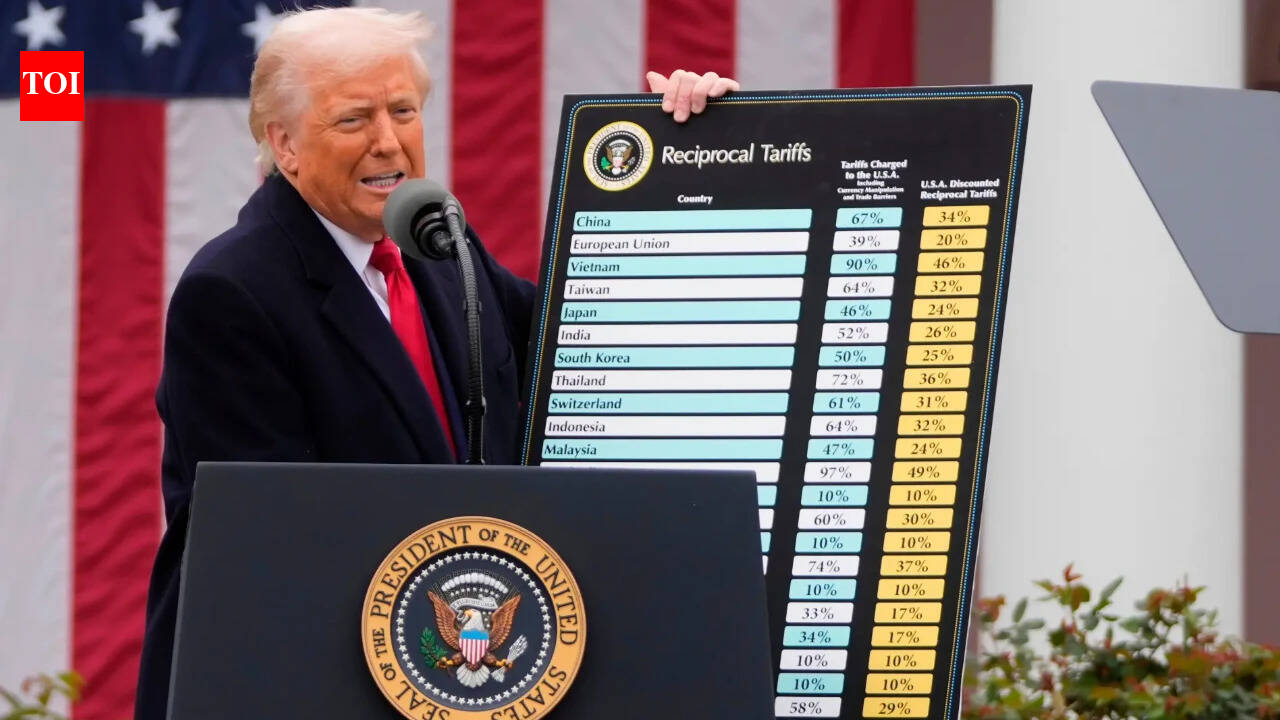
President Donald Trump has imposed 50% tariffs on most Canadian goods, citing alleged trade discrimination against U.S. automobiles, alcohol, and dairy. The move, enacted under the Trade Act of 1930, threatens to destabilize the USMCA framework and escalate bilateral economic tensions.
Escalation of U.S.-Canada Trade Tensions
President Donald Trump has taken a decisive and aggressive stance toward Canada by imposing a 50% tariff on a wide array of Canadian goods. This move, executed through three separate presidential proclamations, marks a significant departure from the established trade norms that have long governed the North American economic corridor. By invoking Section 338 of the Trade Act of 1930, the administration aims to penalize what it describes as systematic trade discrimination against American industries, specifically targeting the automotive, alcohol, and dairy sectors.
The Erosion of the USMCA Framework
The imposition of these tariffs creates immediate friction with the United States-Mexico-Canada Agreement (USMCA). While the agreement was designed to provide a stable, duty-free framework for integrated supply chains, the current administration’s decision to bypass these protections suggests a prioritization of protectionist measures over long-standing treaty obligations. This development introduces a high degree of economic uncertainty, as businesses that relied on the predictability of USMCA rules now face a 50% tax burden on goods moving across the border.
Strategic Exceptions and Targeted Sectors
Despite the broad scope of the tariffs, the administration has carved out specific exemptions for energy products, potash, fish, and critical minerals. This suggests a strategic attempt to maintain supply chain security for essential commodities while simultaneously applying maximum pressure on Canada’s manufacturing and consumer goods sectors. By shielding these specific industries, the U.S. government appears to be attempting to minimize domestic inflationary pressures on energy and raw materials while still punishing Canada for its perceived retaliatory trade actions.
Historical Context and Retaliation
The administration’s rhetoric frames this decision as an act of accountability, explicitly mentioning Canada's previous retaliatory measures against earlier U.S. tariff policies. By grouping Canada alongside China as nations that must be "held accountable," the White House is signaling a shift toward a more confrontational approach to international trade. This policy pivot is further complicated by the administration's broader frustration with the trilateral nature of North American trade and the perceived failures of existing agreements to protect U.S. interests.
Broader Implications and Future Outlook
The decision to impose these tariffs risks triggering a cycle of economic retaliation that could lead to significant market volatility. Beyond the immediate economic impact, the move represents a profound fraying of a relationship that was previously considered one of the most stable and integrated in the world. As the administration explores the possibility of further tariffs, the focus will likely remain on the perceived trade imbalances in the automotive and dairy industries, potentially leading to long-term structural changes in the North American economy.
Conclusion
In summary, the imposition of 50% tariffs on Canadian goods is a significant escalation in the ongoing trade disputes between the two nations. While the administration views this as a necessary step to level the playing field, the move threatens to dismantle the collaborative spirit of the USMCA. As the situation unfolds, the global market will be closely monitoring how Canada responds and whether the U.S. will expand its tariff agenda, further straining the bilateral ties that have underpinned North American prosperity for decades.
Multiple Citing Sources