‘Something much bigger’: Trump planning major Middle East reset after Iran war
Source Entity
KARAN MANRAL
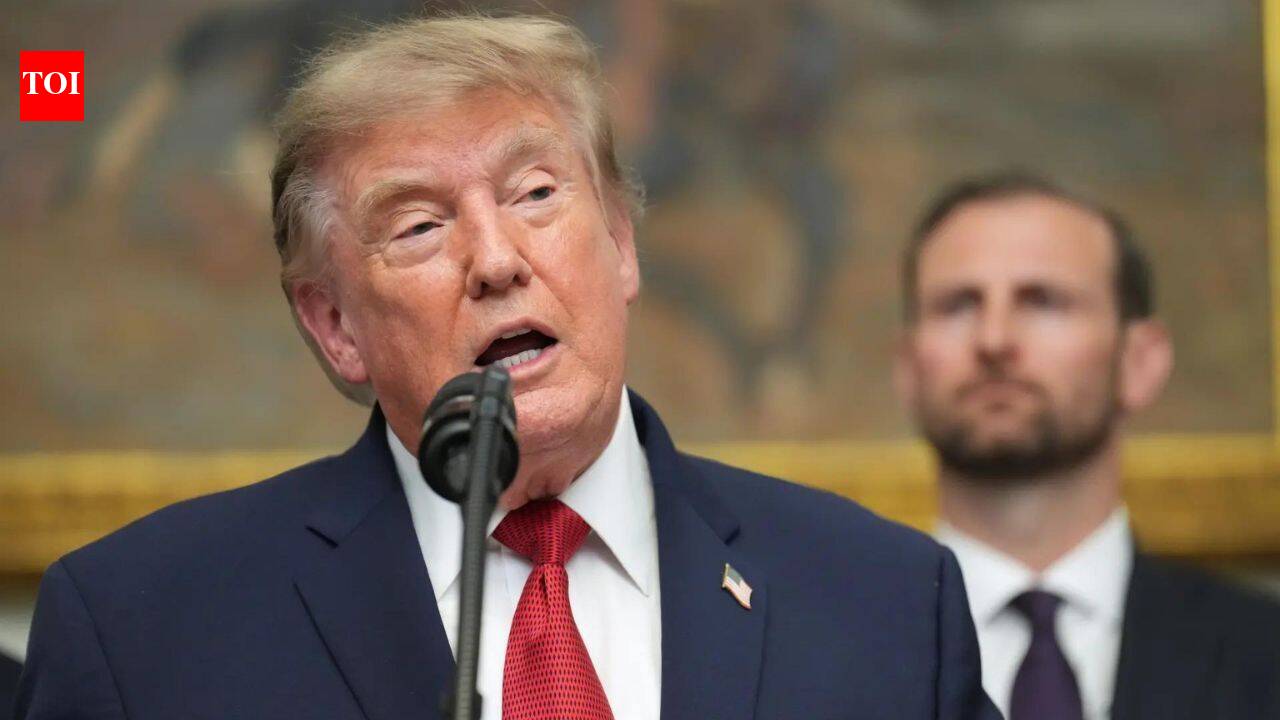
President Trump is reportedly developing a comprehensive post-war strategy for the Middle East aimed at curbing Iranian influence. The initiative seeks to expand regional normalization efforts regardless of internal political outcomes in Israel.
A New Strategic Paradigm for the Middle East
Recent reports indicate that the Trump administration is actively formulating a comprehensive strategy for the Middle East, characterized by officials as "something much bigger" than previous policy frameworks. This initiative is being developed with the explicit intent of implementation following the conclusion of the current conflict involving Iran. According to senior officials, multiple high-level meetings have already taken place, signaling that this is a prioritized component of the administration's foreign policy agenda for the final two years of President Trump's term.
Curbing Regional Hegemony
At the core of this emerging strategy is a dual-track approach: the containment of Tehran’s regional influence and the aggressive expansion of normalization efforts between Israel and its Arab neighbors. By addressing Iran's role in the region, the administration aims to create a more stable security environment. This move suggests a pivot toward a more structured, long-term alliance system that treats regional stability as a collective responsibility rather than a series of disparate bilateral agreements.
Diplomacy Beyond Domestic Politics
The report highlights a significant shift in diplomatic posture: the administration’s intention to push this post-war plan forward regardless of the outcomes of future Israeli elections. By decoupling the regional strategy from the immediate political volatility of its primary partner, the United States is signaling a desire for a more consistent and predictable long-term architecture for Middle Eastern relations.
Historical Context and Future Trends
This initiative builds upon the foundation of past regional agreements, aiming to scale them into a more cohesive regional bloc. Historically, U.S. policy in the Middle East has often been reactive to immediate crises. However, this strategy suggests a proactive shift toward setting the terms of the post-war order before the dust has fully settled. If successful, this could fundamentally alter the regional balance of power.
Implications for Global Stability
As the administration moves from the drafting stage to actual policy implementation, the international community will be watching closely. The success of this "much bigger" plan depends on the ability of the U.S. to harmonize the interests of diverse regional actors who have historically held conflicting priorities. Should this strategy gain traction, it would likely serve as the defining legacy of the administration's Middle Eastern policy, cementing a new era of regional integration aimed at countering Iranian strategic reach.
Multiple Citing Sources