From battleships to catapults, Donald Trump keeps messing with the navy
Source Entity
Latest News: Todays Latest News Headlines from India & World | Hindustan Times | Hindustan Times
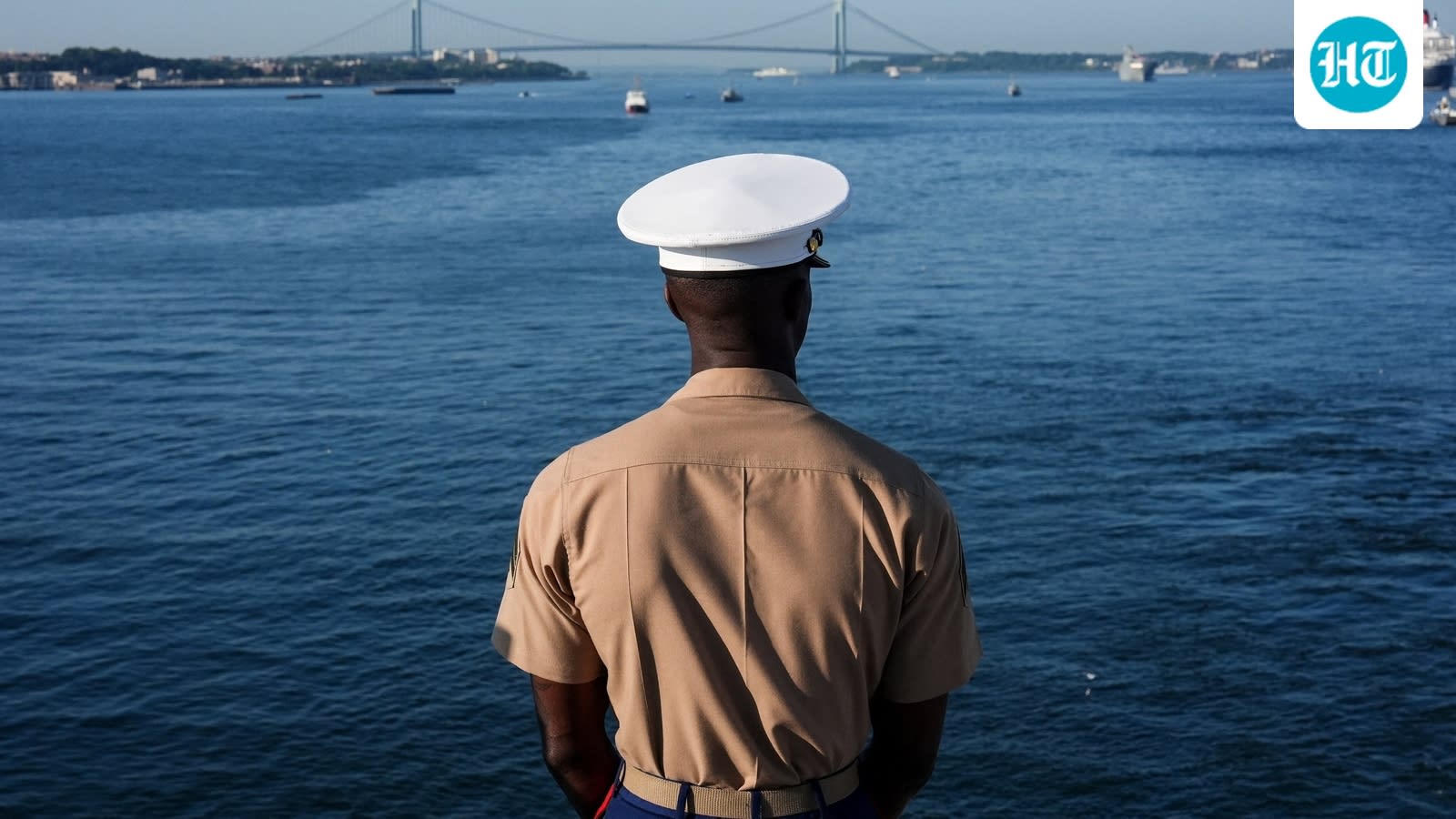
Donald Trump's unconventional interference in U.S. Navy ship design reflects a preference for aesthetic grandeur over modern maritime functionality. This approach risks significant long-term costs and operational inefficiencies for the American fleet.
The Aesthetic Obsession: Trump’s Influence on Naval Architecture
Donald Trump’s unconventional interest in U.S. Navy ship design marks a departure from the traditional role of a Commander-in-Chief, who typically defers technical naval architecture to experts and military engineers. While historical figures like George Washington and Franklin Roosevelt focused on strategic naval expansion, Trump has centered his interest on the visual appeal of naval vessels. His stated admiration for the 1950s documentary Victory at Sea highlights a preference for the iconic, rugged imagery of mid-20th-century warfare, which he has attempted to translate into modern shipbuilding priorities.
Prioritizing Form Over Function
During his 2024 Republican National Convention address, Trump recounted his personal intervention in the design of a warship's bow, aiming to make vessels "look like yachts." This intervention signifies a fundamental shift in procurement priorities. When political leadership mandates aesthetic changes to complex military hardware, it risks diverting resources from critical technological advancements—such as advanced sensors, stealth capabilities, and automated weapon systems—to satisfy subjective visual preferences. The claim that shipyard workers validated his design choices suggests a disconnect between political rhetoric and the rigorous engineering standards required for modern naval combat.
The Cost of Political Interference
Beyond the immediate design changes, the broader implication of such interference is the potential for massive, long-term fiscal waste. Naval engineering is a highly specialized field where every structural change has cascading effects on hydrodynamics, fuel efficiency, and weapons systems integration. By prioritizing "yacht-like" aesthetics, there is a legitimate concern that the U.S. Navy may incur unnecessary costs, leading to delays in procurement and maintenance cycles that are already under significant strain.
Historical Precedent and Modern Risks
Historically, the U.S. Navy has evolved from the era of heavy battleships to modular, high-tech amphibious assault ships and carriers. Trump’s obsession with the "big guns" and imagery of the Second World War ignores the realities of modern naval warfare, which relies on electronic warfare, cyber-resilience, and rapid response capabilities. Attempting to force modern ships into a nostalgic aesthetic mold could fundamentally handicap their operational effectiveness in a contemporary threat environment.
Future Trends in Naval Procurement
Looking ahead, the tension between political mandates and military necessity remains a critical concern for defense analysts. If executive intervention in ship design becomes a standard practice, it could lead to a politicization of the military-industrial complex, where contractors prioritize the visual preferences of the executive branch to secure funding rather than focusing on the actual needs of the fleet. Ensuring that naval architecture remains grounded in technical requirements rather than subjective whims is essential for maintaining global maritime superiority in an increasingly competitive geopolitical landscape.
Verification Required?