Trump signs order to rename Lake Ontario 'Lake America' amid Canada trade war
Source Entity
US Top News and Analysis
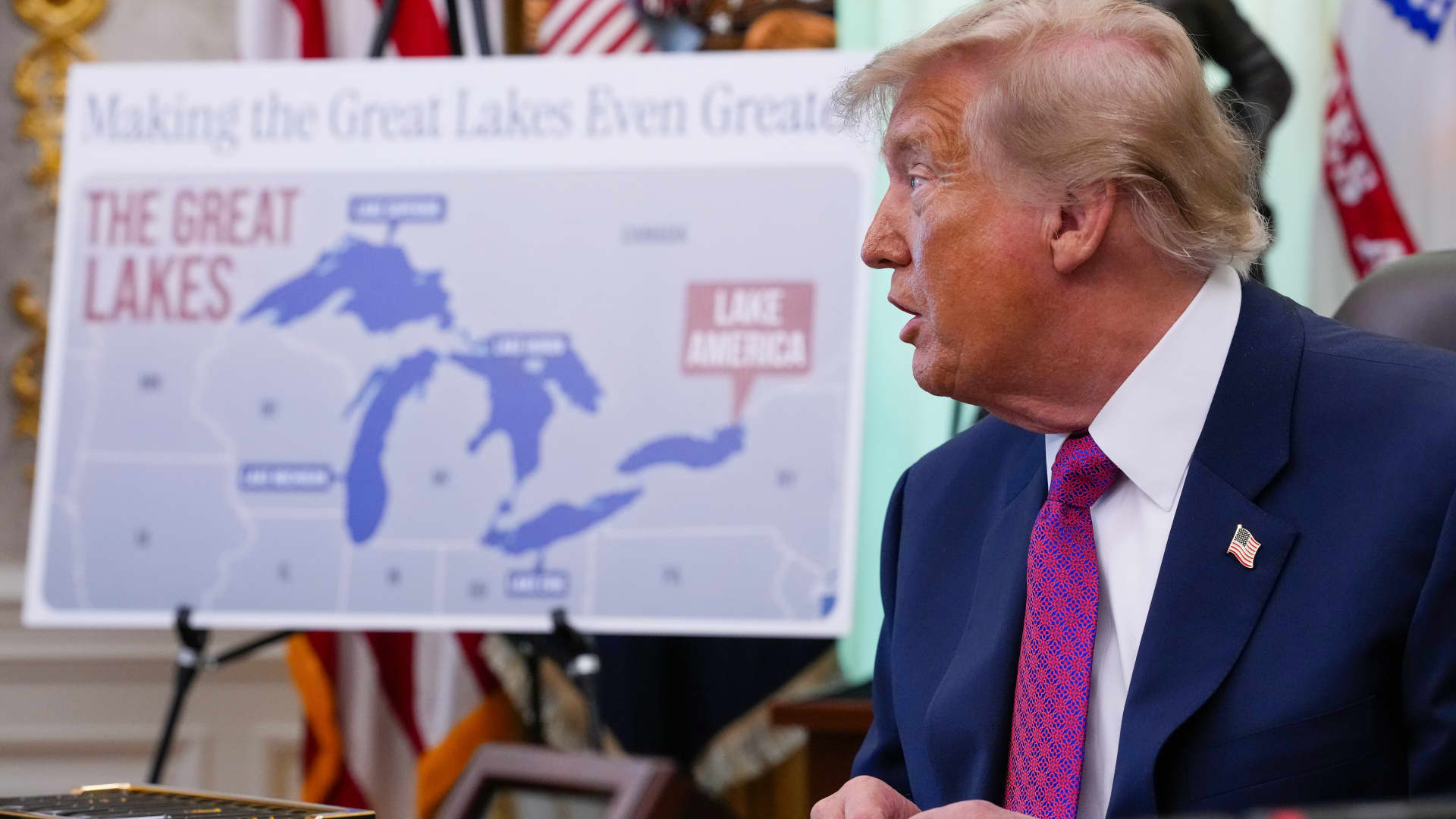
President Donald Trump has signed an executive order renaming Lake Ontario to 'Lake America' within U.S. federal records. The decision follows a collapse in trade negotiations with Canada and mirrors his prior move to rename the Gulf of Mexico.
The Geopolitical Symbolism of 'Lake America'
President Donald Trump has officially signed an executive order mandating that the body of water historically known as Lake Ontario be referred to as 'Lake America' within all United States federal geographic naming services. This directive, announced on August 25 and formalized shortly thereafter, serves as a direct manifestation of the deteriorating trade relationship between Washington and Ottawa. By unilaterally altering the nomenclature of a shared international resource, the administration has elevated a diplomatic dispute into a symbolic confrontation over sovereignty and regional identity.
The Mechanics of Executive Naming Authority
While the executive order carries weight regarding how U.S. federal agencies, maps, and official documents identify the lake, it possesses no legal jurisdiction over Canadian territory or international maritime law. The move is essentially a domestic policy action that forces federal compliance while leaving the international status of the lake unchanged. Experts note that this follows a established pattern, as the President previously initiated a similar change for the Gulf of Mexico, rebranding it as the 'Gulf of America' for domestic governmental use. These actions are designed to project nationalistic policy stances, even when the practical application is limited by international borders.
Trade Tensions as the Catalyst
The impetus for this decision stems from a complete breakdown in trade negotiations between the United States and Canada. As economic discourse has shifted toward retaliatory tariffs and protectionist rhetoric, the administration has utilized symbolic geography to signal a departure from established collaborative norms. The President’s explicit comment that the United States does not expect to be 'doing much business with Ontario any longer' underscores a fundamental shift in bilateral economic policy, moving away from the integrated North American market model toward a more contentious, nationalist framework.
The Limits of Unilateralism
Canadian officials have already expressed their intent to maintain the historical name, setting the stage for a period of ongoing diplomatic friction. Because Lake Ontario is a transboundary body of water, the U.S. executive order creates a bifurcated reality: one where the lake is officially 'Lake America' to U.S. authorities and 'Lake Ontario' to the rest of the world and the Canadian government. This creates significant confusion in international cartography and legal communication, as the two nations now utilize different naming conventions for the same geographical feature.
Historical and Future Implications
This move represents a departure from traditional geographic naming conventions, which are typically managed by neutral, non-partisan boards tasked with maintaining consistency. By politicizing nomenclature, the administration is signaling that no aspect of the bilateral relationship—not even shared natural resources—is immune to the broader trade war. Looking ahead, this trend suggests that diplomatic disputes may increasingly manifest through symbolic administrative actions, potentially complicating future attempts at reconciliation or international cooperation in the Great Lakes region.
Multiple Citing Sources