Trump Started Iran War Over Nukes, He Will Give It Up For Hormuz: Report
Source Entity
NDTV News Search Records Found 1000
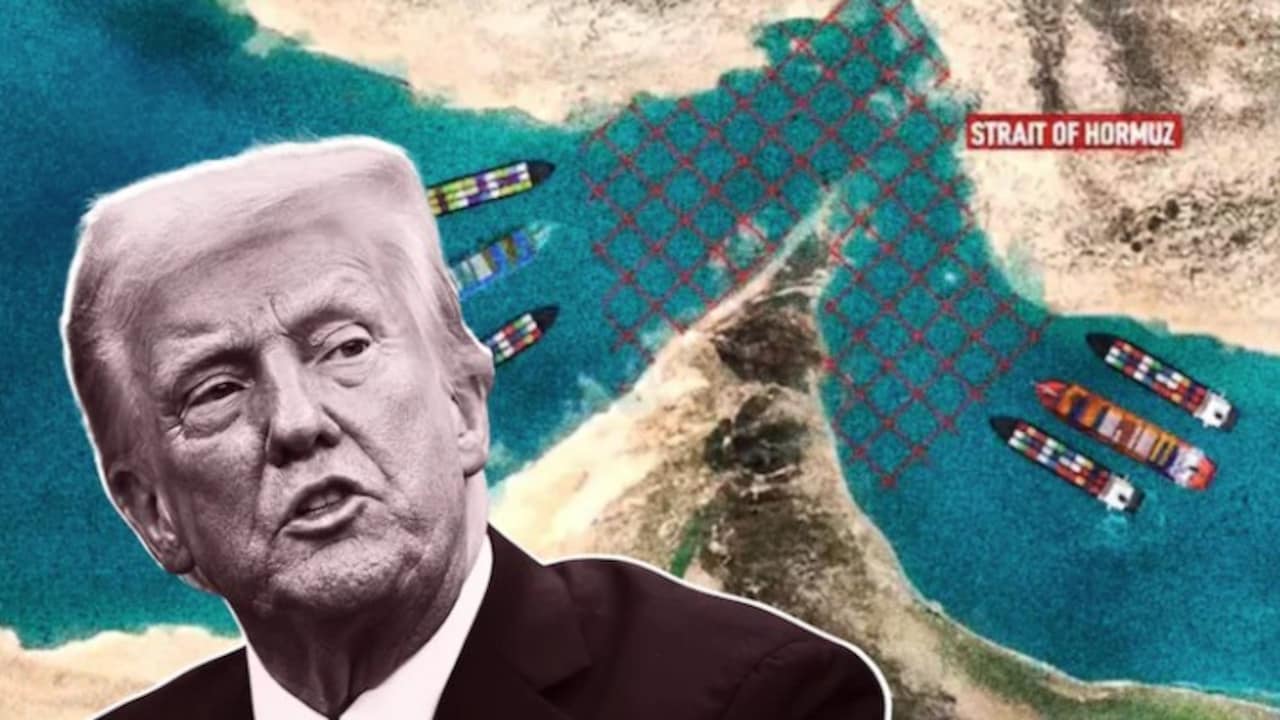
President Trump has pivoted toward a 'low-key' diplomatic approach with Iran, favoring economic pressure over direct military strikes. This strategy acknowledges the strategic importance of the Strait of Hormuz as a key leverage point in ongoing negotiations.
The Shift in U.S.-Iran Strategic Engagement
Recent reports indicate a significant tactical pivot in the United States' approach to the Islamic Republic of Iran. While the administration previously engaged in a cycle of heightened rhetoric and threats of direct military strikes, President Trump has explicitly signaled a transition toward a 'low-key' strategy. This change moves the focus away from kinetic military operations and toward the application of sustained economic pressure as the primary tool of statecraft.
The Strategic Weight of the Strait of Hormuz
The Strait of Hormuz remains the central focal point of this geopolitical standoff. As one of the world's most critical maritime chokepoints, the Strait serves as a vital artery for global energy supplies. Iran’s ability to influence or potentially disrupt traffic through this passage provides the regime with significant leverage. Recognizing this, the current U.S. strategy appears to be balancing the need for nuclear non-proliferation with the imperative of maintaining regional stability and secure global trade routes.
Moving Beyond Military Escalation
For months, the trajectory of U.S.-Iran relations was defined by a series of threats to 'hit Iran hard,' creating an environment of extreme volatility. By opting to 'low-key' the situation, the administration is signaling a departure from the immediate threat of war. This indicates a realization that the costs of a large-scale military engagement—particularly regarding the security of the Strait of Hormuz—may outweigh the immediate benefits of such an operation.
Economic Pressure as a Diplomatic Lever
By emphasizing economic pressure, the U.S. is attempting to achieve its objectives—specifically regarding nuclear containment—without the unpredictability of armed conflict. This strategy relies on the assumption that financial isolation will compel Tehran to return to the negotiating table. It is a calculated gamble that economic hardship will prove more effective at curbing Iranian nuclear ambitions than the threat of direct military intervention.
Future Trends and Regional Implications
The future of this relationship will likely depend on whether this 'low-key' approach can produce tangible diplomatic results. If economic pressure fails to yield concessions, the administration may face the same dilemma of choosing between escalation or further diplomatic patience. The stability of the global oil market and the security of the Strait of Hormuz will remain the primary metrics by which the success or failure of this policy is measured.
Conclusion
In summary, the transition from aggressive military posturing to a strategy of economic containment represents a crucial inflection point in U.S. foreign policy. By acknowledging the strategic leverage Iran holds through the Strait of Hormuz, the U.S. is attempting to manage a complex security environment with a more measured approach. Whether this shift leads to a de-escalation of the nuclear standoff remains to be seen.
Multiple Citing Sources
Verification Required?